Beijing is where China keeps its imperial soul. The Forbidden City — the largest palace complex on earth — sits at the city's heart, and the Great Wall snakes across the mountains just an hour north. Around them, hutong alleyways survive between gleaming towers, Temple of Heaven draws tai chi practitioners at dawn, and a restaurant scene that ranges from Peking duck in century-old duck houses to avant-garde tasting menus. It's a city of extraordinary scale, but also one of genuine neighbourhood texture — best explored at a pace that allows both the monuments and the backstreets.
- Suggested duration: 4–5 days
- Best time to visit: September–October for clear skies and mild temperatures. Spring (April–May) is pleasant but can be dusty. Avoid mid-summer heat and winter cold if possible.
Beijing is where China keeps its imperial soul. The Forbidden City — the largest palace complex on earth — sits at the city's heart, and the Great Wall snakes across the mountains just an hour north. Around them, hutong alleyways survive between gleaming towers, the Temple of Heaven draws tai chi practitioners at dawn, and a restaurant scene ranging from Peking duck in century-old duck houses to avant-garde tasting menus makes this one of Asia's great food cities. Beijing rewards those who explore it at a pace that allows both the monuments and the backstreets.
Why Visit Beijing
Beijing suits history lovers, food enthusiasts, and anyone who wants to understand the sweep of Chinese civilisation at its most concentrated. No other city in the world offers such a density of imperial monuments — the Forbidden City, the Temple of Heaven, the Summer Palace, the Ming Tombs, and the Great Wall all within a day's reach. Yet Beijing is equally compelling as a contemporary city: its art districts, craft beer bars, independent bookshops, and rooftop bars are as vital as any European capital.
Top Attractions and Experiences
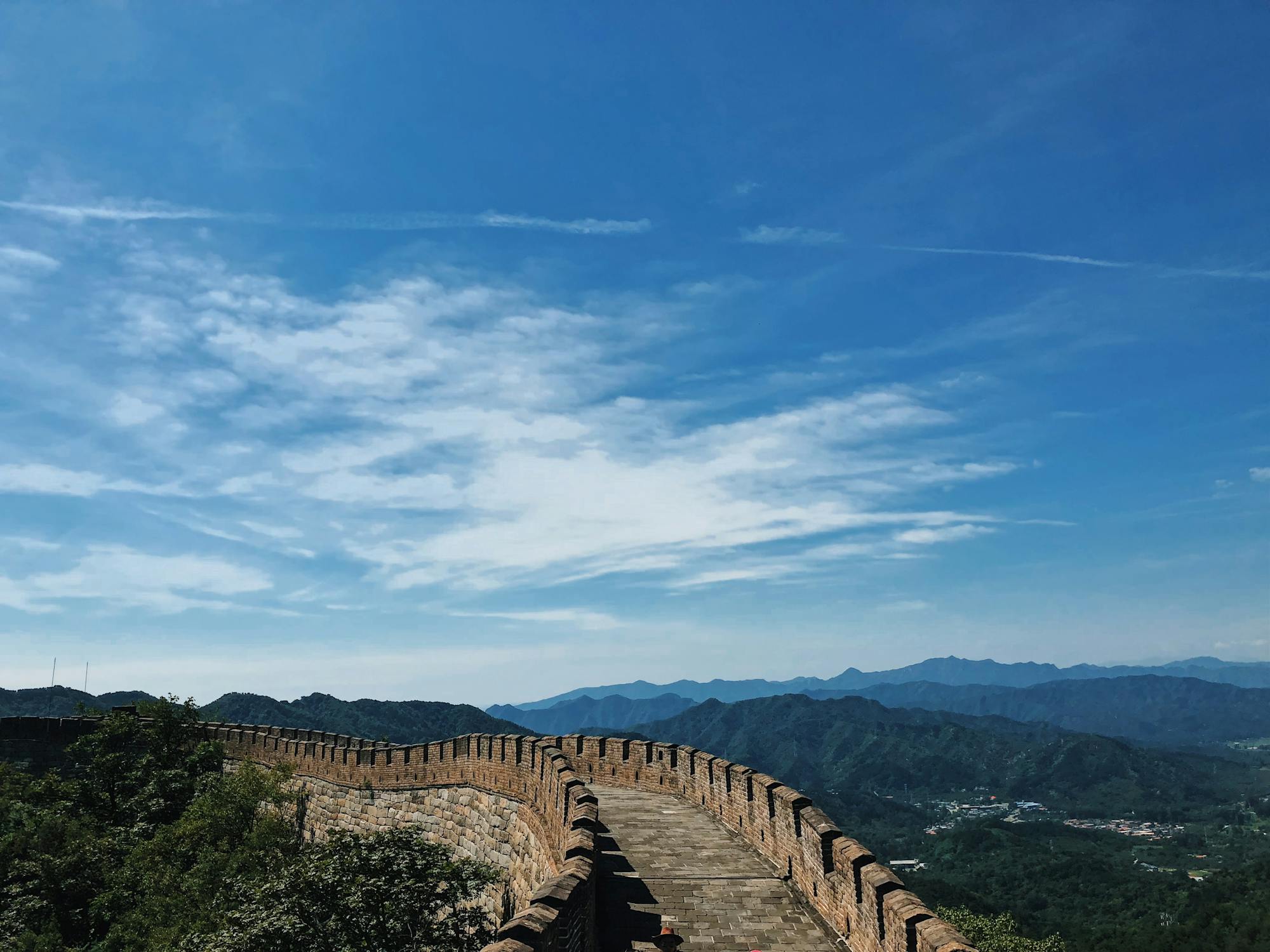
The Forbidden City (Palace Museum) is non-negotiable. The largest palace complex ever built, it housed 24 emperors across the Ming and Qing dynasties and contains 980 surviving buildings across 72 hectares — allow at least half a day and book tickets online in advance as entry is strictly capacity-controlled. Directly south, Tiananmen Square is the world's largest public square, best visited at dawn when the flag-raising ceremony draws crowds of domestic tourists. The Temple of Heaven, where emperors conducted annual harvest rituals, is a masterpiece of Ming architecture set in a vast park that becomes a living social space each morning — elderly Beijingers practice tai chi, ballroom dancing, and fan exercises among the ancient cypresses. The Summer Palace on the northwestern outskirts is the finest imperial garden in China: a vast complex of pavilions, covered walkways, and the 700-metre Long Corridor painted with 14,000 scenes from Chinese history, all arranged around the shimmering Kunming Lake. And then there is the Great Wall: the Mutianyu section, 70 kilometres north of the city, offers the most dramatic scenery — towers clinging to ridge lines above forested valleys — with a cable car for the ascent and a toboggan run for the descent.
Getting There and Around
Beijing Capital International Airport (PEK) is served by direct flights from most major international hubs; the newer Beijing Daxing Airport (PKX) handles a growing number of domestic routes. The Airport Express train links Terminal 2 and 3 to the city centre in 20 minutes for just 25 yuan. Beijing's metro system is one of the world's largest and most efficient, with English signage throughout — a day pass is cheap and covers almost every attraction. Taxis are metered and affordable; DiDi (the Chinese ride-hailing app) is essential for journeys where the destination address needs to be shown in Chinese characters. For the Great Wall, organised tours or private cars are the most practical options as public buses serve only the Badaling section.
Best Time to Visit
September and October are Beijing's finest months — the summer humidity has broken, skies are clear, and the trees around the Summer Palace and Temple of Heaven begin to turn. Spring (April to May) brings cherry blossoms to Jingshan Park and a freshness that follows the dry winter. Avoid mid-summer (July–August) when temperatures exceed 35°C and humidity is high; winter is cold and can be smoggy, though the Great Wall under snow is a genuinely spectacular and crowd-free experience. The Golden Week national holiday (1–7 October) sees the Forbidden City and Great Wall at their most crowded — book well ahead or plan around it.
Local Culture and Food
Peking duck is Beijing's signature dish and one of the great culinary experiences in China. The best versions are served at historic restaurants: Da Dong is known for its leaner, crispier skin; Quanjude has been roasting ducks since 1864. The duck arrives whole, carved tableside, the lacquered skin wrapped in paper-thin pancakes with spring onion, cucumber, and hoisin sauce. Beyond the duck, Beijing's food scene encompasses jianbing (savoury crepe street breakfast), zha jiang mian (noodles with minced pork and fermented bean paste), and the extraordinary Muslim-influenced lamb dishes of the Niujie neighbourhood. The hutongs — ancient alleyway neighbourhoods surrounding the Drum Tower and the lakes of Shichahai — are the city's most atmospheric quarters for eating, drinking, and simply walking. Dress codes are relaxed at most restaurants; tipping is not expected and can cause awkwardness.