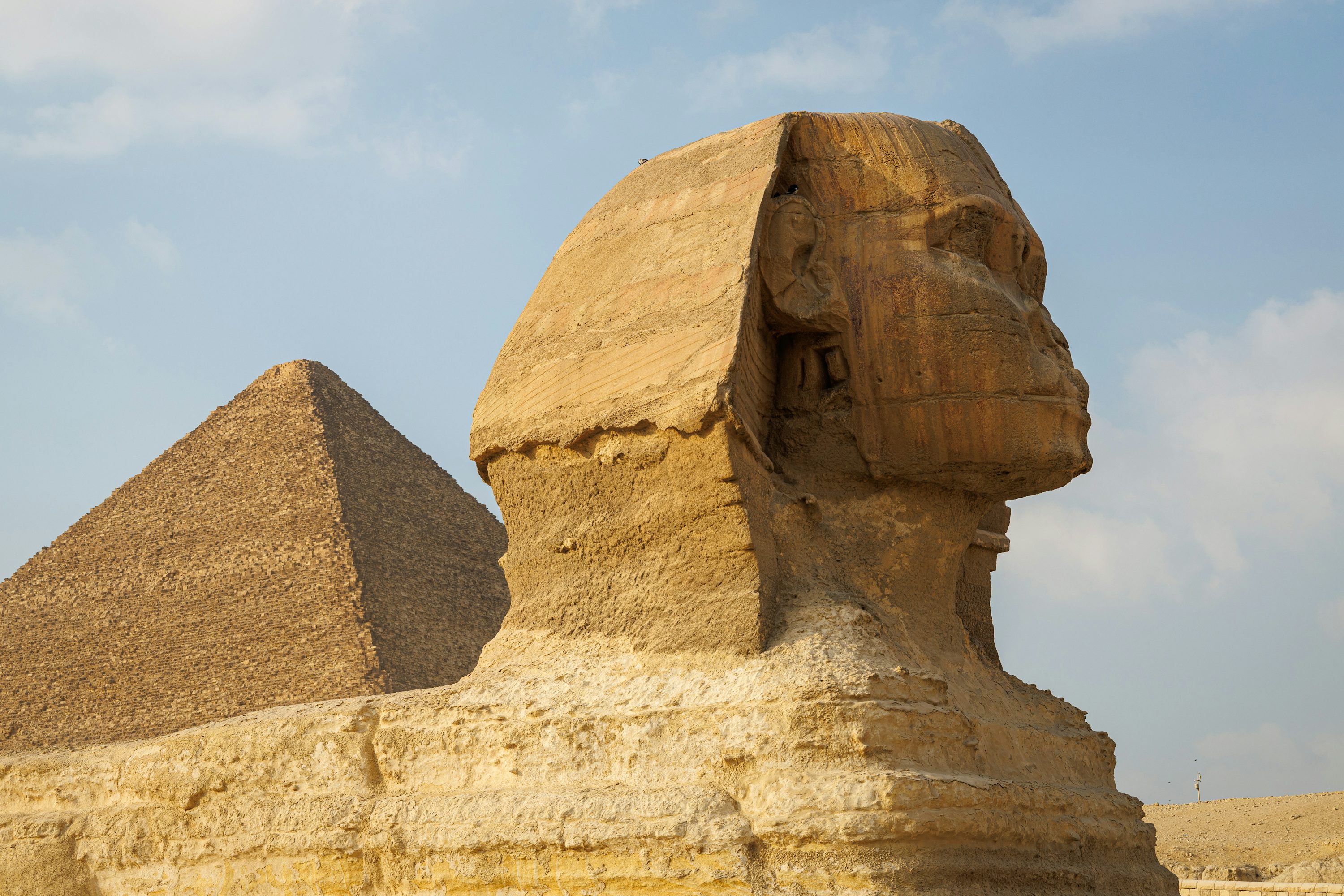
Egypt is one of the world's oldest civilisations made tangible — a place where you can stand in the shadow of a pyramid built 4,500 years ago, sail a felucca down the very river that sustained the ancient world, and then explore a culture that is living, vibrant, and utterly modern.
- Suggested duration: 10–14 days
- Best time to visit: October to April
- Budget: Mid-range: $80–$150/day
Egypt defies superlatives. The Great Pyramid of Giza is the only surviving wonder of the ancient world, yet it shares a country with the temples of Luxor, the dive sites of the Red Sea, the monasteries of Sinai, and the crumbling grandeur of a Cairo that never sleeps. This is a destination that earns its place on every serious traveller's list — not just once, but repeatedly.
Top Experiences & Highlights
The sheer density of world-class sites in Egypt is almost overwhelming. A good itinerary balances the iconic monuments with slower, more personal discoveries along the way.
- Giza Plateau at sunrise — arrive before the crowds and feel the full, impossible weight of the pyramids and the Sphinx in early-morning quiet
- Nile cruise from Luxor to Aswan — one of the great journeys of the world, gliding past temples, fellahin fields, and desert cliffs
- Valley of the Kings — descend into richly painted tombs carved deep into the Theban hills outside Luxor
- Snorkelling in the Red Sea at Dahab or Marsa Alam, where reefs rival anything in the Indo-Pacific
Culture & History
Egypt's recorded history spans more than five millennia, encompassing pharaonic, Greco-Roman, Coptic, Islamic, and modern eras. Each chapter has left extraordinary physical traces that visitors can explore directly.
- The Egyptian Museum in Cairo houses Tutankhamun's golden mask and thousands of artefacts spanning 3,000 years of pharaonic civilisation
- Karnak Temple complex in Luxor is the largest ancient religious site ever built, assembled over 2,000 years by successive pharaohs
- Coptic Cairo — a cluster of early Christian churches, including the Hanging Church, built atop a Roman fortress near the old city
- Islamic Cairo — a UNESCO-listed district of medieval mosques, madrasas, and khans centred on the al-Muizz street
Food & Cuisine
Egyptian food is humble, honest, and deeply satisfying — built around legumes, flatbreads, and grilled meats, with a few distinctive dishes that will become instant favourites. Street food is some of the best in the world here.
- Koshari — Egypt's beloved street staple: a bowl layered with rice, lentils, pasta, crispy onions, and spiced tomato sauce
- Ful medames — slow-cooked fava beans with cumin, garlic, and lemon, served with warm aish baladi flatbread for breakfast
- Kofta and kebabs grilled over charcoal, typically served with tahini, salad, and pickled vegetables at roadside restaurants
- Om Ali — a warm bread-and-nut pudding soaked in sweetened milk, Egypt's answer to bread-and-butter dessert
Practical Tips
Egypt is straightforward to travel once you understand a few ground rules. Tipping (baksheesh) is embedded in everyday transactions, the heat in summer is genuinely extreme, and bargaining in markets is both expected and enjoyable.
- Visit between October and April to avoid the punishing summer heat, particularly in Upper Egypt where temperatures regularly exceed 45°C
- Dress conservatively when visiting mosques and religious sites — women will need a headscarf and both genders should cover shoulders and knees
- Book Pyramids tickets in advance online; entry to the chambers inside requires a separate ticket sold in limited numbers each day
- Use official taxis or Uber in Cairo rather than flagging street cabs — the app-based services offer transparent pricing
Best Regions to Explore
Egypt's geography divides neatly between the Nile Valley, the deserts, and the coasts — each offering a completely different kind of travel experience.
- Cairo & Giza — the chaotic, magnificent capital: pyramids, bazaars, museums, and one of the Arab world's most electric street scenes
- Luxor & Aswan — the heartland of pharaonic Egypt, where temples and tombs line both banks of the Nile in astonishing concentration
- The Red Sea Riviera (Hurghada, Marsa Alam, Dahab) — world-class diving and snorkelling in warm, crystal-clear water
- Sinai Peninsula — desert hiking around St Catherine's Monastery, beach camps at Nuweiba, and the diving mecca of Dahab