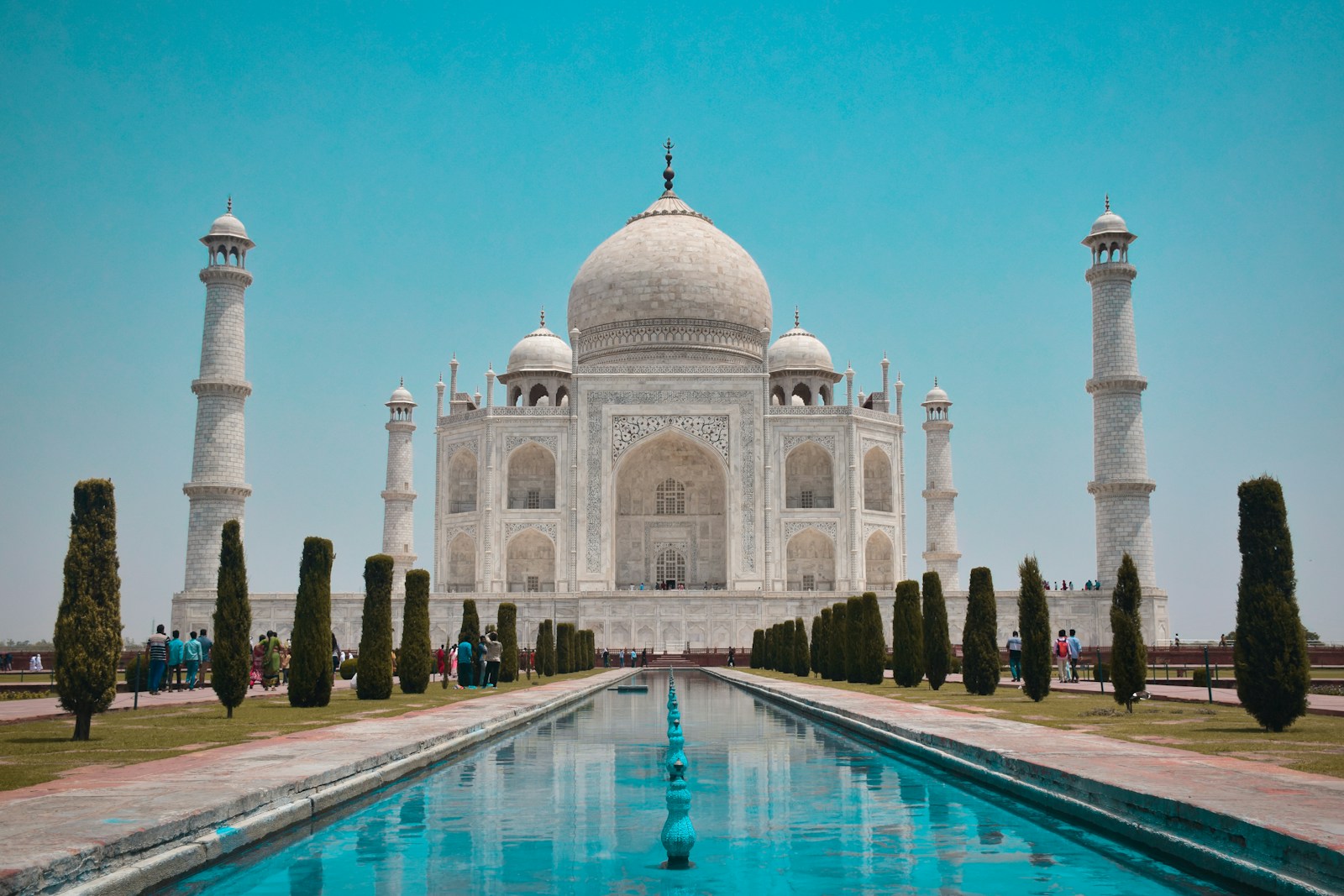
India is a subcontinent of staggering contrasts — ancient temples rising beside modern megacities, snow-dusted Himalayan peaks giving way to tropical coastlines, and a tapestry of cultures, languages, and flavors unlike anywhere else on Earth. From the Mughal grandeur of the Taj Mahal to the backwaters of Kerala and the royal forts of Rajasthan, every region offers a world unto itself. Travelling India is not a single journey but many journeys braided together into one unforgettable experience.
- Suggested duration: 14–21 days
- Best time to visit: October to March
- Budget: Mid-range: $60–$120/day
Few countries on Earth demand as much from a traveller — and give back so much more. India overwhelms the senses from the moment you land: the scent of marigolds and incense, the roar of traffic, the sudden hush of a centuries-old courtyard. Come prepared to be surprised at every turn, and you will leave transformed.
Top Experiences and Highlights
India's greatest hits are famous for good reason, but each surpasses its reputation. The Taj Mahal at dawn, wreathed in mist, remains one of the most moving sights in the world. Varanasi's ghats at sunrise offer a raw, spiritual intensity found nowhere else. A houseboat glide through Kerala's backwaters, a jeep safari through Ranthambore in search of tigers, or a sunrise trek to a Himalayan monastery — these are moments that stay with you for life.
- Taj Mahal, Agra: Arrive at first light to see the marble change colour from grey to pink to white gold
- Varanasi ghats: Witness the Ganga Aarti ceremony as oil lamps flicker over the sacred Ganges
- Ranthambore National Park: One of India's best chances of spotting Bengal tigers in the wild
- Kerala backwaters: Drift through palm-lined waterways on a traditional kettuvallam houseboat
Culture and Heritage
India is home to some of the world's oldest continuous civilisations, and its heritage sites span everything from Indus Valley ruins to Mughal masterpieces and medieval Hindu temples. UNESCO World Heritage Sites dot the country from north to south, while living traditions — classical dance, hand-block printing, temple rituals — continue to thrive alongside the modern world.
- Rajasthan's forts and palaces: Amber Fort, Mehrangarh, and Jaisalmer's golden citadel are architectural marvels
- Hampi, Karnataka: Sprawling ruins of the Vijayanagara Empire scattered across a surreal boulder landscape
- Khajuraho temples: Intricately carved 10th-century temples celebrating every aspect of human life
- Kolkata's colonial legacy: Victoria Memorial, Park Street, and a thriving arts and literary scene
Food and Cuisine
Indian cuisine is not one cuisine but dozens, each region with its own identity. The north favours rich, slow-cooked dals and tandoor breads; the south leans on rice, coconut, and tamarind; coastal regions serve supremely fresh seafood. Street food is a revelation — from Mumbai's vada pav to Kolkata's kati rolls and Delhi's chaat — and the best meals are often found at humble roadside dhabas, not restaurants.
- Butter chicken and dal makhani: The definitive Punjabi comfort foods, best eaten in Old Delhi
- Dosa and sambar: South India's crispy rice crepe served with lentil soup and coconut chutney
- Goan fish curry: Tangy, coconut-based seafood curry best enjoyed overlooking the Arabian Sea
- Chai culture: Spiced milky tea served in clay cups at every railway platform and street corner
Best Areas and Neighbourhoods
The Golden Triangle — Delhi, Agra, and Jaipur — is the classic first-time route, and for good reason: it packs extraordinary history, culture, and colour into a manageable circuit. Beyond that, Rajasthan rewards slow travellers, while Goa suits those who want beaches and laid-back cafes. For spirituality, Rishikesh and Varanasi are unmissable; for the high Himalayas, Ladakh and Himachal Pradesh open up a different India entirely.
- Golden Triangle: Delhi–Agra–Jaipur, the classic introduction to North India's Mughal and Rajput heritage
- Goa's beaches: North Goa for nightlife and water sports; South Goa for quiet, palm-backed coves
- Ladakh: High-altitude desert landscapes, Buddhist monasteries, and some of the clearest skies on the planet
- Kerala: Backwaters, Ayurvedic retreats, spice plantations, and the hill station of Munnar
Practical Tips
India rewards travellers who plan ahead — especially around peak season (November to February) when popular sites and trains fill quickly. Book trains through the IRCTC website and secure tourist-quota seats in advance. Carry cash for smaller towns and markets. A good rule of thumb: drink only bottled or filtered water, and stick to freshly cooked food from busy stalls where turnover is high.
- Visa: Most nationalities can apply for an e-Visa online before arrival — straightforward and affordable
- Getting around: India's rail network is the world's largest; overnight trains are a comfortable, scenic way to cover distance
- Health: Consult your doctor about hepatitis A, typhoid, and malaria prophylaxis depending on regions visited
- Bargaining: Expected in markets and auto-rickshaw negotiations — always friendly, never aggressive