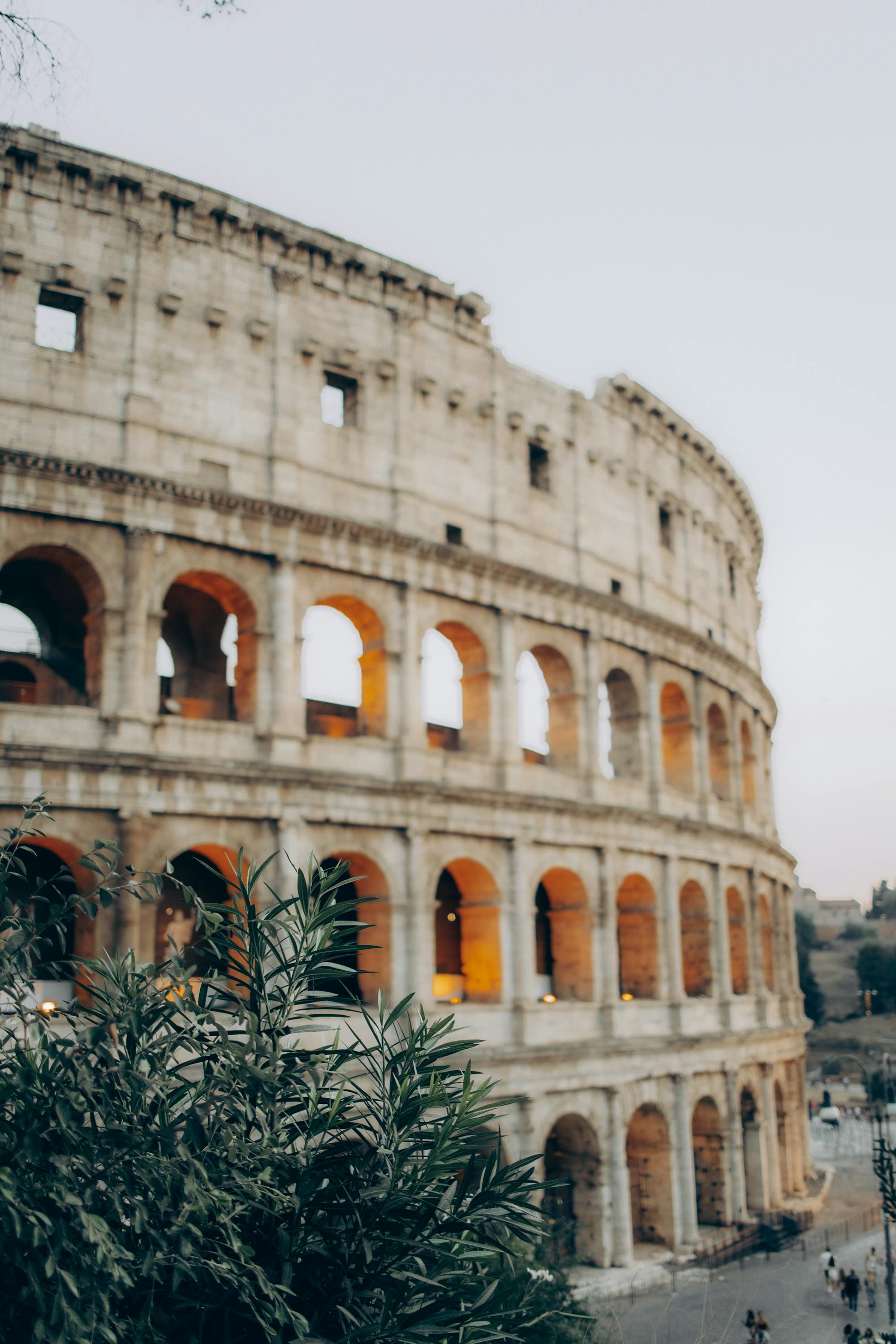
From the ruins of Rome to the vineyards of Tuscany and the shimmering waters of the Amalfi Coast, Italy rewards the slow traveller with a depth of beauty and flavour that no other country on earth quite matches.
- Suggested duration: 10–14 days
- Best time to visit: Apr–Jun & Sep–Oct
- Budget: $$$
Italy is not merely a destination — it is a civilisation you step inside. Millennia of empire, Renaissance genius, papal grandeur and peasant ingenuity have combined to produce a country where every piazza tells a story, every meal is an act of culture, and every stretch of coastline seems to have been painted into existence. For the luxury traveller, Italy offers something even the most well-travelled itineraries rarely deliver: genuine surprise, around every corner, in every season.
The Cities That Shaped the World
Rome arrests you with sheer historical density — the Colosseum at dawn, the Pantheon's oculus, a glass of Frascati in a sun-warmed Trastevere alley. Florence demands a slower eye: the Uffizi's Botticellis, the baptistery doors, the view from Piazzale Michelangelo at the golden hour when the Arno turns to copper. Venice, improbable and irreplaceable, is best experienced before the crowds arrive — a private water taxi in the early mist, a Bellini at Harry's Bar, the impossible silence of a rio at midnight. Each city operates on its own rhythm, and the art of an Italian itinerary lies in honouring that.
The Landscape
Beyond the cities, Italy unfolds into some of Europe's most breathtaking countryside. Tuscany's rolling hills, striped with vineyards and punctuated by the vertical exclamation marks of cypress trees, have been drawing painters and poets for centuries — and still feel, somehow, unhurried. The Amalfi Coast tumbles dramatically into the Tyrrhenian Sea in a cascade of lemon groves and pastel-coloured villages. Puglia's trulli-dotted plains, Umbria's green valleys, and the volcanic drama of Sicily offer entirely different landscapes, each with its own character and cuisine.
Food and Wine
To travel in Italy is, above all, to eat. Italian food is not a single cuisine but a constellation of intensely regional traditions, each fiercely defended and endlessly refined. In Bologna, hand-rolled tagliatelle al ragù at a restaurant that has barely changed since the 1950s. In Naples, a margherita pizza from a wood-fired oven that has been burning since 1905. In Modena, a few drops of aged balsamic vinegar that a family has tended for thirty years. A well-designed Italian journey builds its route, in no small part, around its tables.
- Piedmont: White truffles, Barolo, and the birthplace of the Slow Food movement
- Emilia-Romagna: Parmigiano Reggiano, prosciutto di Parma, tagliatelle, tortellini
- Tuscany: Bistecca fiorentina, Chianti Classico, pecorino, ribollita
- Campania: San Marzano tomatoes, buffalo mozzarella, limoncello, Neapolitan pizza
- Sicily: Arancini, caponata, cannoli, and the finest Nero d'Avola
The Art of Luxury in Italy
Italy's finest hotels are not merely places to sleep — they are experiences in their own right. A converted Renaissance palazzo in Florence, where the frescoed ceilings are original. A cliffside suite above Positano with a private infinity pool. A wine estate in Montalcino where the sommelier is also the winemaker. Italian luxury is tactile, personal and deeply rooted in place: the silk of Como, the leather of Florence, the ceramics of Deruta. Shopping here is not retail therapy — it is cultural immersion.
How to Plan Your Journey
The shoulder seasons — April through June and September through October — offer the ideal combination of warm weather, manageable crowds, and produce at its peak. Spring brings wildflowers on the hillsides and artichokes in the markets; autumn brings the vendemmia (grape harvest), white truffle season, and a particular quality of light that Italian painters spent centuries trying to capture. Allow at least ten days for a meaningful introduction, fourteen if you wish to venture beyond the headline cities into the countryside and coastline that give Italy its soul.