Japan rewards those who venture beyond the obvious — a civilisation of extraordinary depth where bullet trains glide past snow-capped volcanoes and ryokan innkeepers serve kaiseki dinners that have been refined across generations.
- Suggested duration: 10–14 days
- Best time to visit: Mar–Apr & Oct–Nov
- Budget: $$$$
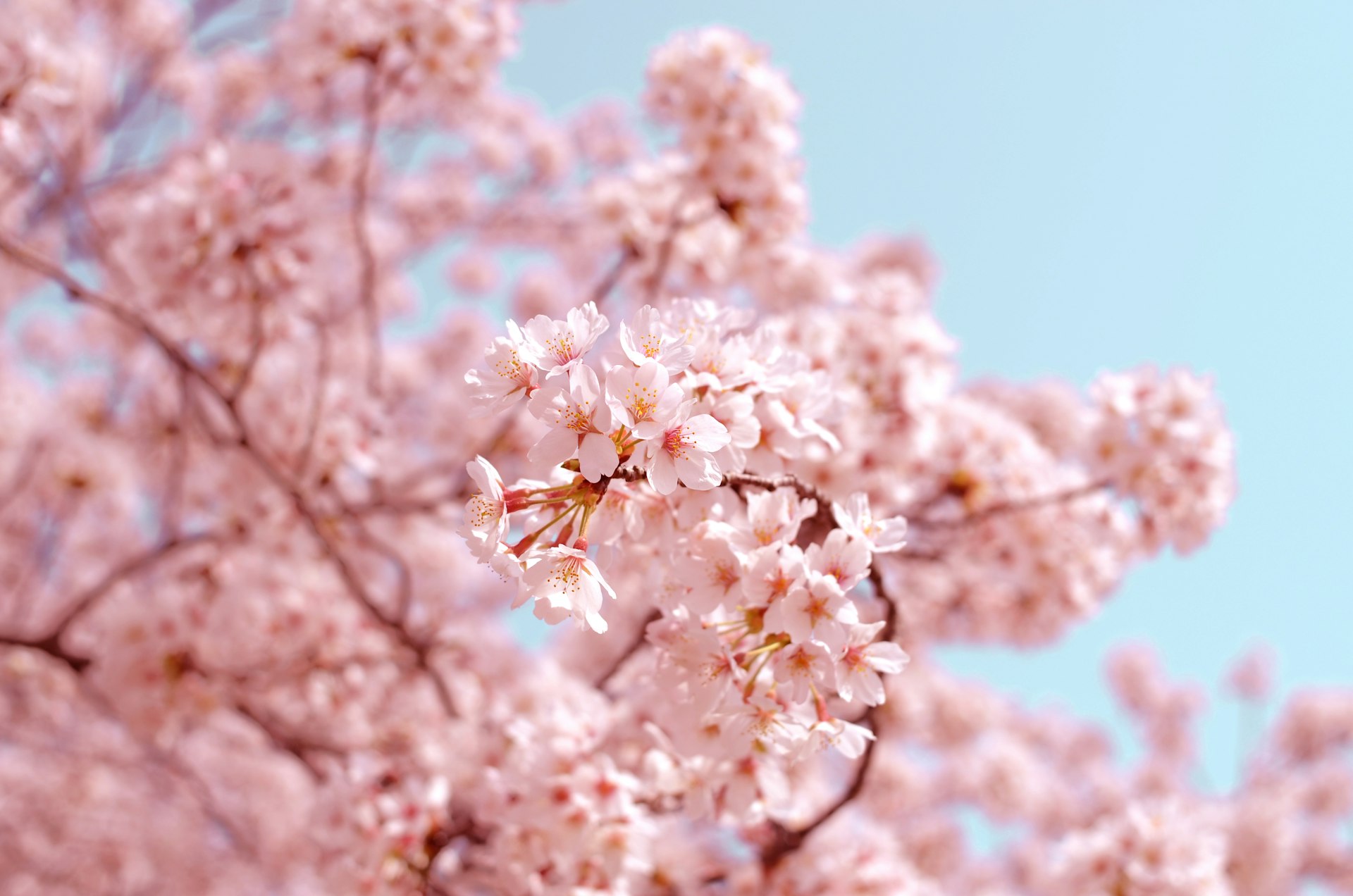
Japan is not merely a destination — it is a sustained encounter with a civilisation that has spent centuries perfecting its own vision of beauty, precision, and hospitality. From the neon-drenched canyons of Tokyo's Shinjuku district to the moss-draped stone lanterns of a Kyoto mountain shrine, every hour spent here confronts you with something that could not exist anywhere else on earth. Arrive in cherry blossom season and the country seems to be in a state of collective, joyful surrender; come in autumn and the maples turn the temple gardens into something almost unbearably lovely.
Tokyo: The City That Contains Multitudes
No city on earth packs more experience into a single square kilometre than Tokyo. The world's largest metropolitan area is simultaneously the planet's most refined food city, a laboratory of contemporary design, a living museum of tradition, and a place where vending machines dispense hot cans of coffee at 3am. Begin in the old shitamachi neighbourhoods of Yanaka and Nezu, where wooden houses and family-run tofu shops persist in the shadow of the modern city, before surrendering to the sensory theatre of Akihabara and the quiet devastation of the Hamarikyu Gardens at dusk.
- Where to stay: The Peninsula, Aman Tokyo, or Hoshinoya Tokyo for a ryokan sensibility in the heart of the capital
- Essential experience: An omakase counter in Ginza — eight seats, twenty courses, forty years of mastery
- Day trip: Nikko's Tosho-gu shrine complex, two hours north by Shinkansen
Kyoto: The Soul of Old Japan
If Tokyo is Japan's restless present, Kyoto is its preserved memory. Seventeen UNESCO World Heritage sites occupy a city that served as the imperial capital for over a thousand years. The Arashiyama bamboo grove is best experienced at first light before the crowds arrive; the Fushimi Inari shrine's ten thousand vermilion torii gates climb the wooded hillside and can be walked all the way to the summit if your legs allow. Stay in a machiya townhouse or one of the city's celebrated ryokans and submit to the rituals of the onsen and the measured cadences of a multi-course kaiseki dinner.
The Shinkansen Experience
Japan's bullet train network is one of the great engineering achievements of the modern world, and also one of its most pleasurable travel experiences. Boarding the Nozomi at Tokyo Station and watching Mount Fuji materialise through the window — snowcapped, perfectly conical, improbably large — is a moment that stays with you. The journey to Kyoto takes just over two hours; to Hiroshima, four. A JR Pass unlocks the entire network and allows for spontaneous stops at Himeji, Nara, and Osaka's extraordinary street-food universe along the way.
- Osaka: Dotonbori district for takoyaki, ramen, and the famous Kani Doraku crab; the Kuromon Ichiba market at dawn
- Hiroshima: The Peace Memorial Museum is essential; the island shrine at Miyajima, 30 minutes by ferry, is one of Japan's most iconic views
- Himeji: The White Heron Castle is the finest surviving feudal fortress in Japan, best seen in morning mist
Ryokans and Onsen Culture
The ryokan is Japan's supreme contribution to the art of hospitality. These traditional inns — often family-run across multiple generations — offer tatami-floored rooms, evening yukata robes, private or communal onsen baths, and dinners of almost ceremonial elaborateness. The best are found in the mountain resort towns of Hakone (with views of Fuji), Kinosaki Onsen on the Japan Sea coast, and the historic post towns of the Nakasendo trail. Arriving at a ryokan after a day of temple-hopping and sliding into a cypress-wood bath as the mountains darken outside the window is among the quietly perfect experiences that travel makes possible.
When to Go and How Long to Stay
Japan's two great travel seasons are spring (late March to mid-April for cherry blossoms) and autumn (mid-October to mid-November for koyo, the turning of the leaves). Both are magical and both attract significant visitor numbers, so book accommodation and popular restaurants well in advance. A well-paced first visit of 12 to 14 days allows for Tokyo, Kyoto, Osaka, and one or two slower detours — a night in Hakone, a morning in Nara among the deer, a ferry crossing to Miyajima. Those with more time might push south to Fukuoka, known for its exceptional ramen, or north to Kanazawa, which preserves the atmosphere of feudal Japan better than almost anywhere else in the country.