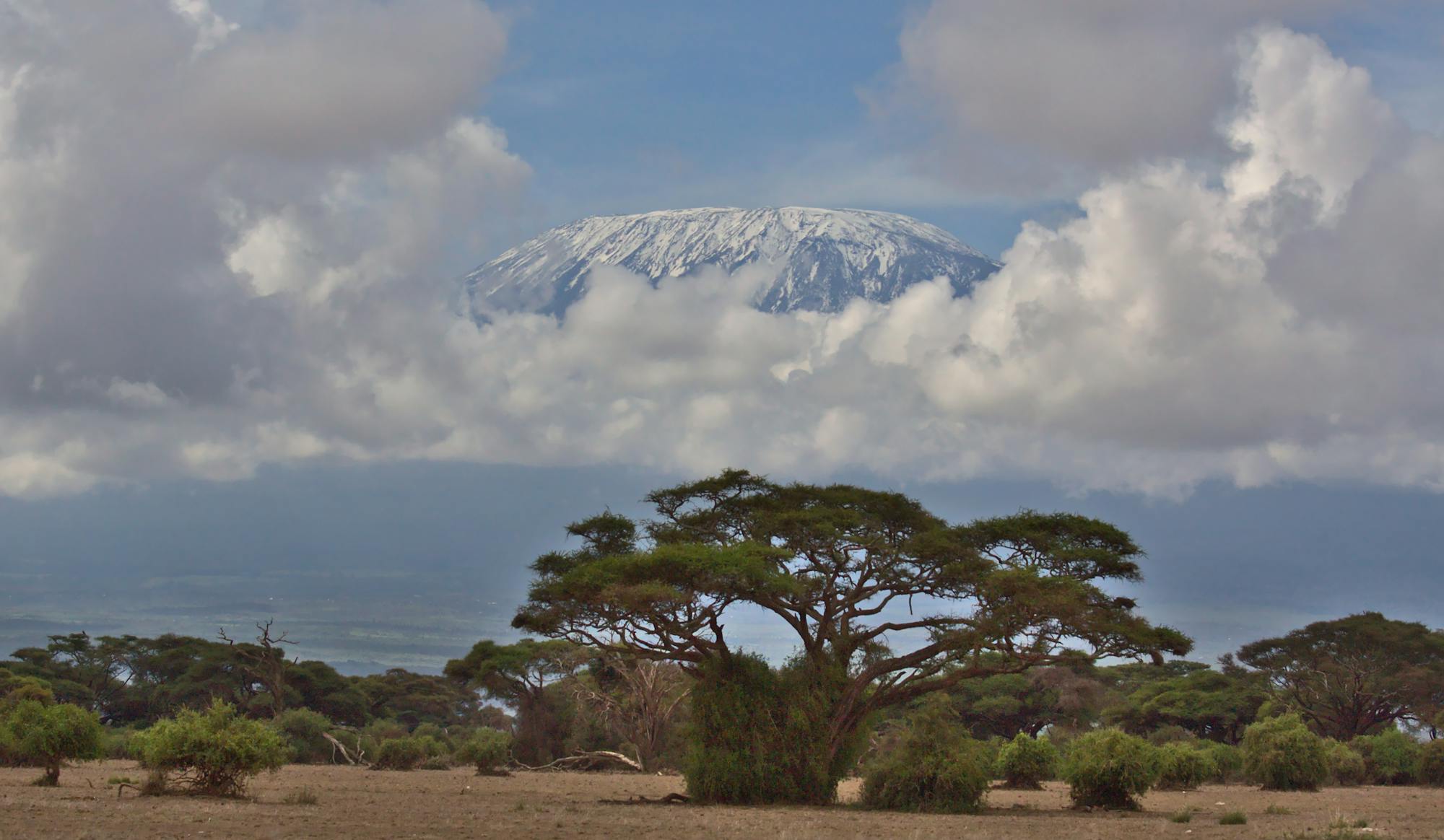
Golden savannahs teeming with life, where the great migration paints the horizon in movement.
- Suggested duration: 8–14 days
- Best time to visit: Jun – Oct
- Budget: $$$$
Tanzania contains Africa's highest mountain, its largest lake, its most famous national park, and a UNESCO-listed island spice market off its Indian Ocean coast. Fitting it all into one trip is the challenge — and the joy. This is a country where the raw spectacle of the natural world is experienced at a scale and intimacy that no other destination on earth can match.
Why Visit Tanzania
Tanzania suits travellers who want the classic East African safari — done properly, in genuine wilderness, with the Serengeti's extraordinary concentration of wildlife as the centrepiece. But it also rewards those who layer their safari with cultural depth: the Maasai communities of the Ngorongoro highlands, the Swahili heritage of Zanzibar's Stone Town, the Chagga villages on Kilimanjaro's lower slopes. Tanzania is not the easiest or cheapest destination, but it rewards the investment with experiences that simply cannot be replicated elsewhere.
Top Attractions and Experiences
The Serengeti National Park is the world's greatest wildlife theatre — 30,000 square kilometres of open savanna supporting the largest terrestrial mammal migration on earth. The annual Great Migration sees 1.5 million wildebeest, 200,000 zebras, and 400,000 gazelles circle between Tanzania and Kenya's Masai Mara in a loop driven by rainfall and grass. The dramatic Mara River crossings, when crocodile-filled waters must be negotiated by hundreds of thousands of animals, happen roughly July through October in the northern Serengeti. The Ngorongoro Crater — a collapsed volcanic caldera 20 kilometres wide — contains one of Africa's highest densities of wildlife in a self-contained ecosystem, including a resident population of endangered black rhino. A Serengeti hot air balloon flight at dawn, floating silently above the plains as the early light illuminates a sea of wildebeest, is one of Africa's great travel experiences — book well in advance as capacity is extremely limited. Mount Kilimanjaro, at 5,895 metres the world's tallest free-standing mountain, can be climbed without technical equipment but demands serious physical preparation and altitude acclimatisation. The Machame Route (6–7 days) offers the best combination of scenery and summit success rate. And no Tanzania itinerary is complete without Zanzibar — the Indian Ocean archipelago 35 kilometres off the coast, where Stone Town's UNESCO-listed labyrinth of carved Arab doors, spice-scented lanes, and Indian Ocean seafood provides the perfect coastal counterpoint to the safari interior.
Getting There and Around
Julius Nyerere International Airport in Dar es Salaam (DAR) is Tanzania's main international gateway, with direct flights from Amsterdam, London, Dubai, Nairobi, and Johannesburg. Kilimanjaro International Airport (JRO) near Arusha handles traffic heading directly for safari and mountain climbing. Internal flights are the most practical way to reach the Serengeti, Ruaha, and other southern parks — Coastal Aviation, Auric Air, and Safarilink operate well-maintained light aircraft between all major airstrips. Most safari camps include internal flight transfers in their packages. For Zanzibar, daily scheduled flights from Dar es Salaam (20 minutes) and fast ferries (2 hours) offer two efficient options.
Best Time to Visit
The dry season from June to October offers the best wildlife viewing across all Tanzania's national parks: vegetation thins, animals concentrate around water sources, and the northern Serengeti hosts the most dramatic river crossing scenes of the Great Migration. January and February bring the calving season to the southern Serengeti — less cinematic than the river crossings but arguably more moving, with thousands of newborns arriving daily and predators following closely. The long rains (March to May) bring lush, green landscapes and dramatically reduced rates at most camps; a few specialist operators offer excellent value in this season. Avoid the Zanzibar long rains (March–May) for beach time.
Local Culture and Food
Tanzania's Swahili coast culture — a blend of Bantu African, Arab, Indian, and Portuguese influences — produces one of East Africa's most distinctive cuisines. At safari camps, meals are typically international with East African touches; the real Tanzanian food experience is in the towns and along the coast. Ugali (dense white maize porridge) anchors most meals, eaten by hand and used to scoop up stews of beef, goat, or beans with sukuma wiki (collard greens). On the coast, pilau rice — fragrant with cardamom, cloves, and cinnamon — and grilled seafood spiced with coconut and tamarind are the essential dishes. Zanzibar's Forodhani Gardens night market in Stone Town is one of Africa's great street food experiences: Zanzibar pizza (a filled fried dough parcel), fresh grilled lobster, and urojo soup. Cultural etiquette: Tanzania is a predominantly Muslim country on the coast — dress modestly away from beach resorts, particularly in Stone Town. Tipping at safari camps (guides, camp staff) is customary and warmly appreciated; a general guideline is $10–$20 per person per day for the team, distributed through the camp management.