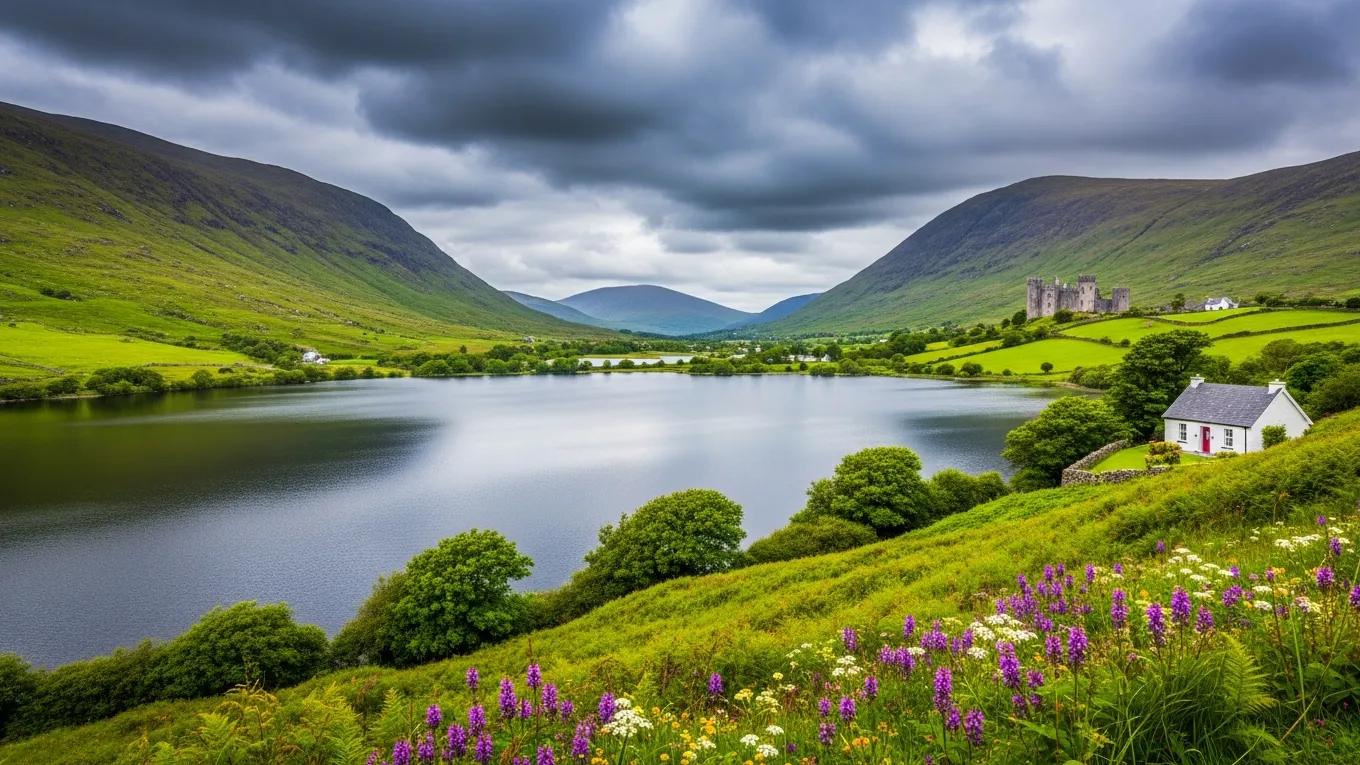
Plan your visit to Ireland by understanding its seasons. Discover the best times to enjoy breathtaking landscapes and vibrant culture year-round.
Best Time to Visit Ireland: Comprehensive Guide to Ireland Weather, Seasons, Festivals, and Travel Planning
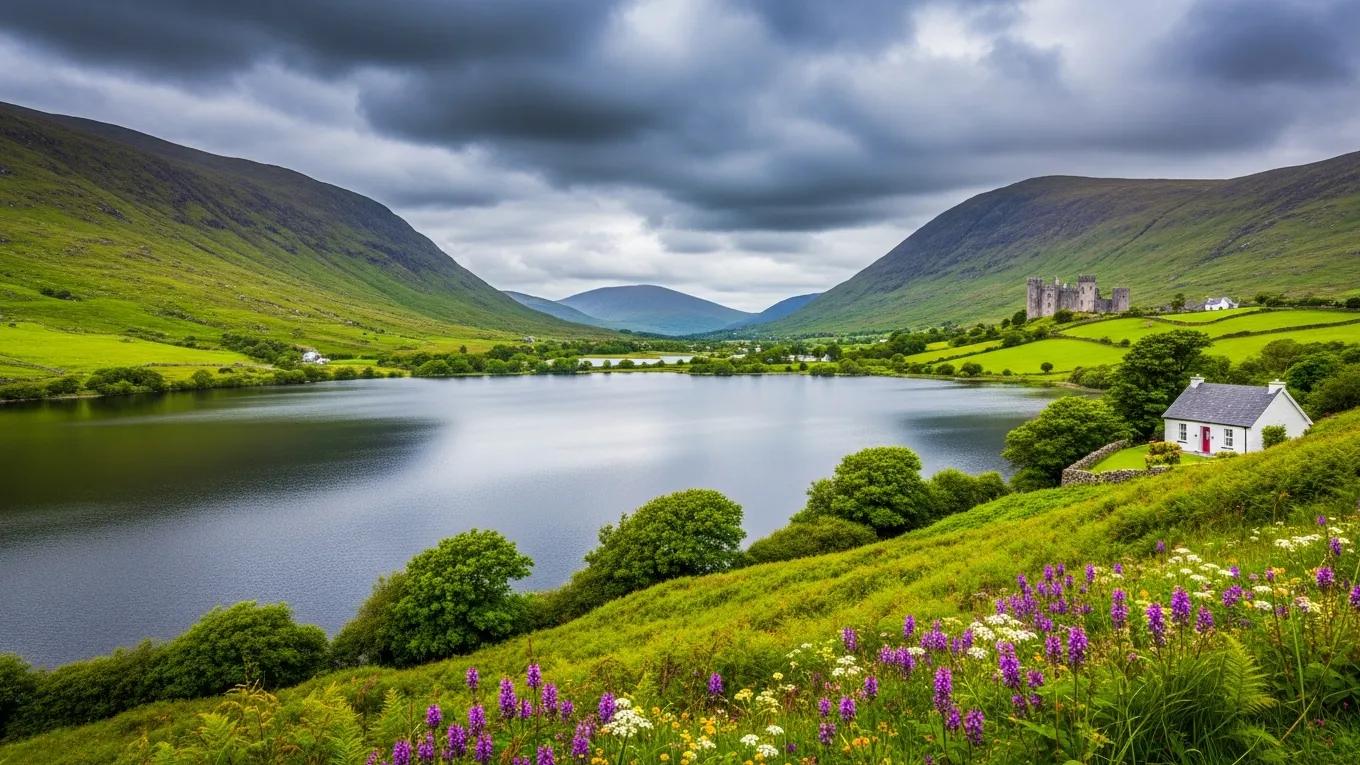
Ireland is a captivating destination known for its lush landscapes, rich history, and vibrant culture. Understanding the best time to visit Ireland involves considering various factors, including weather patterns, seasonal events, and travel planning strategies. This comprehensive guide will help you navigate Ireland's travel seasons, ensuring you make the most of your trip. Whether you're drawn to the blooming beauty of spring, the lively festivals of summer, the colorful foliage of autumn, or the serene charm of winter, each season offers unique experiences. By exploring the nuances of Ireland's climate and cultural events, you can optimize your travel plans and enjoy a memorable visit. This article will cover Ireland's travel seasons, peak tourist times, major festivals, accommodation options, and the benefits of off-season travel.
What Are Ireland's Travel Seasons and Their Weather Patterns?
Ireland experiences four distinct seasons, each characterized by unique weather patterns that can significantly influence travel plans. Understanding these seasonal variations is crucial for selecting the best time to visit. The climate in Ireland is generally mild, but it can be unpredictable, with rain possible at any time of the year.
How Does Ireland's Climate Vary by Month and Season?
Ireland's climate varies significantly throughout the year, with each month presenting different weather conditions.
- January: Cold and damp, with average temperatures ranging from 3°C to 7°C. Rainfall is common.
- April: Spring begins, with temperatures between 6°C and 12°C. Showers are frequent, but sunny days are also possible.
- July: Summer peaks with temperatures averaging 16°C to 20°C. This month sees the least rainfall and the longest daylight hours.
- October: Autumn arrives, bringing cooler temperatures of 8°C to 14°C and vibrant fall foliage.
These monthly variations highlight the importance of planning your visit according to the weather conditions that best suit your preferences.
What Are the Typical Weather Conditions in Spring, Summer, Autumn, and Winter?
Each season in Ireland offers distinct weather characteristics that can enhance or hinder travel experiences.
- Spring (March to May): Mild temperatures and blooming flowers make this a beautiful time to visit. Expect occasional rain but also many sunny days.
- Summer (June to August): The warmest season, ideal for outdoor activities and festivals. However, it can be crowded due to peak tourist numbers.
- Autumn (September to November): A picturesque season with cooler temperatures and stunning fall colors. It’s a great time for fewer crowds and lower prices.
- Winter (December to February): Cold and often wet, but the festive atmosphere during Christmas can be enchanting. Ideal for those seeking a quieter experience.
Understanding these seasonal weather patterns can help you choose the best time to visit Ireland based on your interests and activities.
When Is Ireland's Peak Tourist Season and How Does It Affect Travel?
Ireland's peak tourist season significantly impacts travel experiences, from accommodation availability to crowd levels at popular attractions.
What Months Constitute the Peak Tourist Season in Ireland?
The peak tourist season in Ireland typically spans from June to August. During these months, the country experiences the warmest weather, making it a popular time for travelers.
- June: The start of summer, with increasing tourist numbers.
- July: The busiest month, with festivals and events attracting large crowds.
- August: Still busy, but some families begin to return home as schools reopen.
Traveling during these months means enjoying vibrant festivals and events but also facing higher accommodation prices and crowded attractions.
How Do Tourist Crowds and Accommodation Prices Vary During Peak and Off-Season?
During the peak season, tourist crowds can lead to longer wait times at attractions and higher accommodation prices.
- Peak Season: Expect prices to rise by 20-50% compared to off-peak times. Popular hotels and B&Bs may book out months in advance.
- Off-Season: Traveling from November to March can yield significant savings, with prices dropping by 30-60%. Attractions are less crowded, allowing for a more relaxed experience.
Understanding these dynamics can help you plan your visit to maximize enjoyment while managing costs.
Which Major Festivals and Events Should Travelers Consider When Planning Their Visit?
Ireland is renowned for its rich cultural heritage, celebrated through various festivals and events throughout the year.
What Are the Key Cultural Festivals in Ireland by Season?
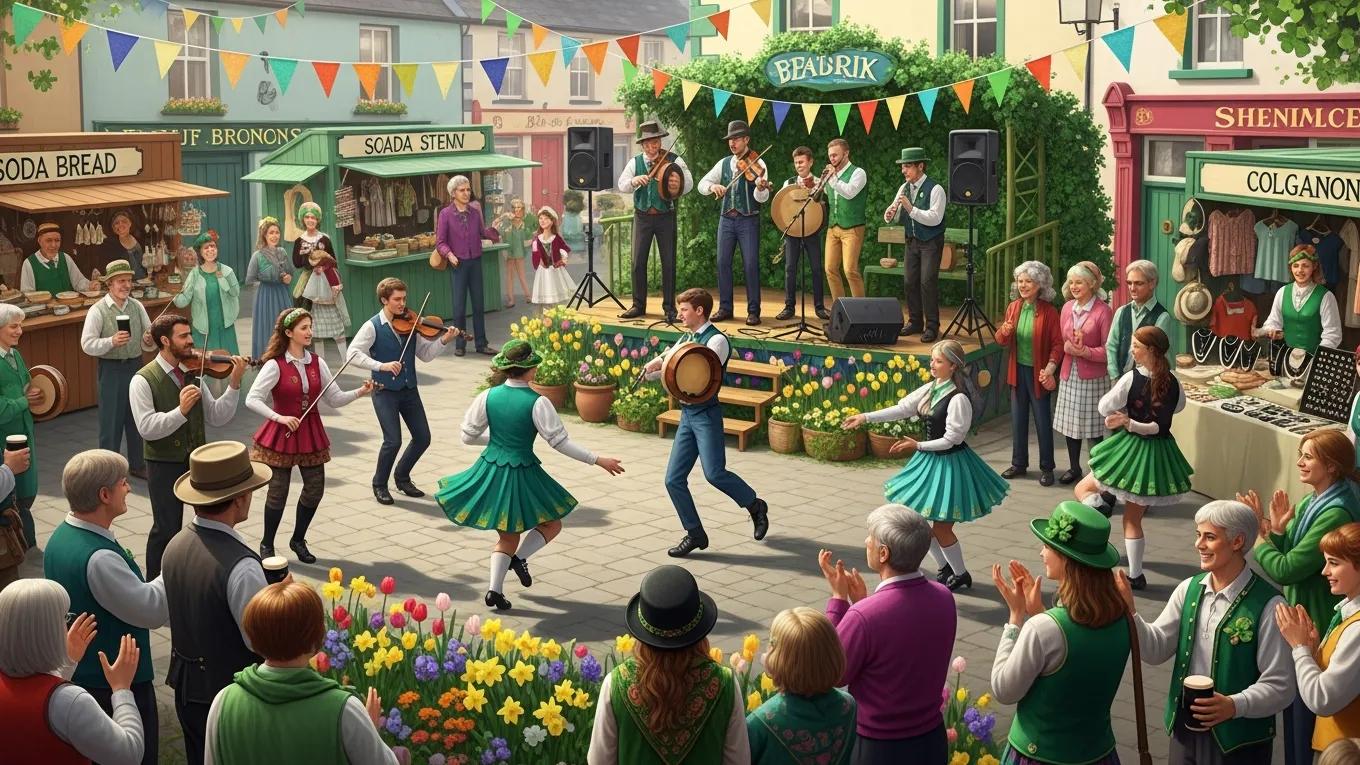
Each season features unique festivals that showcase Ireland's vibrant culture:
- Spring: The Dublin Dance Festival celebrates contemporary dance, attracting international artists.
- Summer: The Galway International Arts Festival features theater, music, and visual arts, drawing large crowds.
- Autumn: The Dingle Food Festival highlights local cuisine and culinary traditions, perfect for food enthusiasts.
- Winter: The Christmas markets across major cities offer festive shopping and local crafts.
These festivals not only enhance the travel experience but also provide insight into Ireland's cultural fabric.
How Can Festival Calendars Influence the Best Time to Visit Ireland?
Planning your visit around these festivals can significantly enhance your experience. Attending a festival allows travelers to immerse themselves in local culture, enjoy unique performances, and taste traditional foods. However, it’s essential to book accommodations early, as these events can lead to increased demand.
Research highlights how strategic event tourism, like that in Dublin, plays a crucial role in attracting visitors and extending the tourist season.
Dublin Event Tourism: Extending Ireland's Tourist Season
En un mundo muy globalizado y competitivo, las estrategias urbanas a menudo señalan los festivales y eventos como actividades capaces de atraer turistas e inversores, extender la temporada turística e impulsar la economía.
Event tourism, public policy and socio-cultural development in Dublin (Ireland), T Ryan, 2024
What Accommodation Options Are Best Suited for Each Travel Season in Ireland?
Choosing the right accommodation can greatly impact your travel experience in Ireland.
How Do Hotel and B&B Availability and Pricing Change by Season?
Accommodation options vary widely by season, with different pricing and availability trends:
- Peak Season: Hotels and B&Bs are in high demand, often requiring early bookings. Prices can be significantly higher, especially in tourist hotspots.
- Off-Season: Many accommodations offer discounts, and availability is generally better. This is an excellent time to explore unique stays, such as countryside B&Bs or boutique hotels.
What Are the Benefits of Booking Curated Accommodation Packages?
Booking curated accommodation packages can enhance your travel experience by providing tailored options that suit your needs. These packages often include:
- Convenience: Streamlined booking processes and personalized recommendations.
- Cost-Effectiveness: Bundled deals can save money compared to booking separately.
- Unique Experiences: Access to exclusive accommodations and local insights.
Travel Ninja specializes in curated travel information and booking options, making it easier for travelers to find the perfect stay.
What Are the Advantages of Off-Season Travel to Ireland?
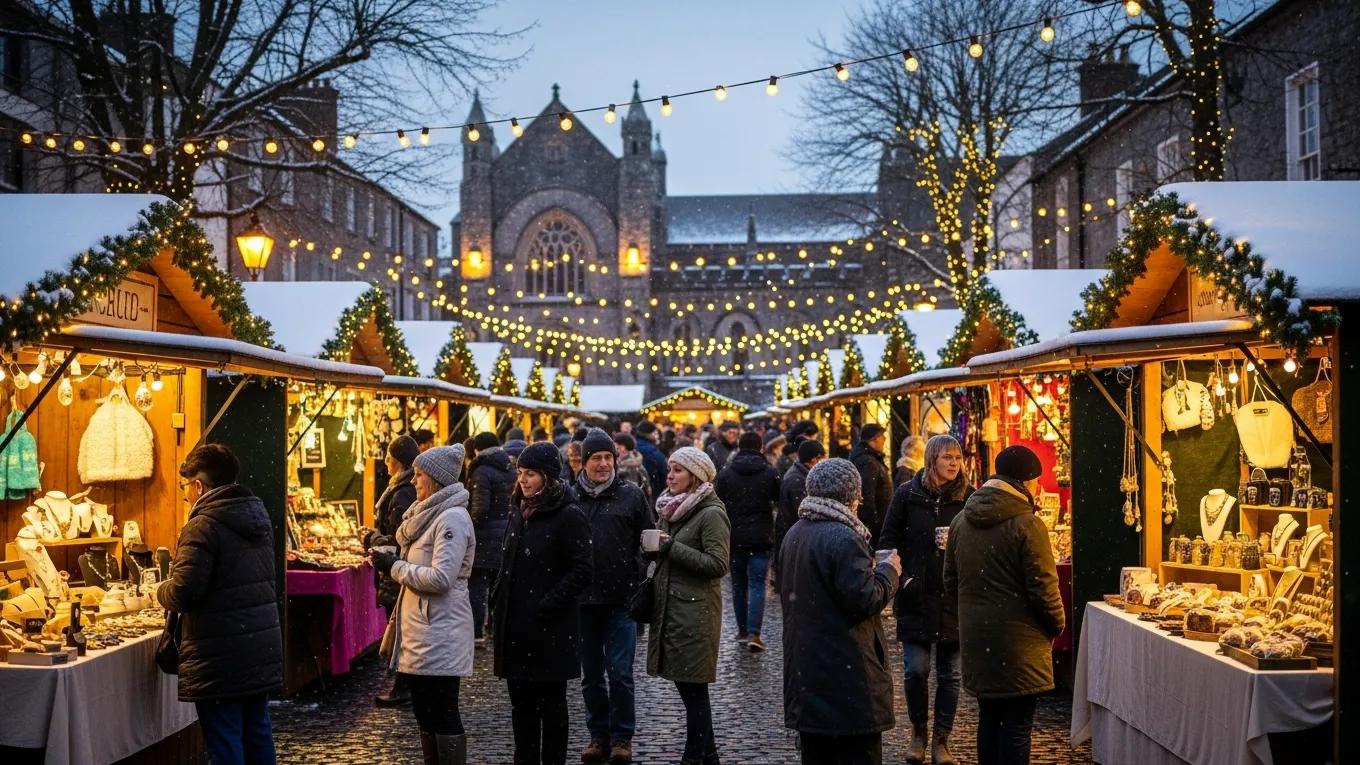
Traveling to Ireland during the off-season offers several distinct advantages that can enhance your experience.
Academic studies further emphasize the importance of off-season travel strategies in mitigating the negative impacts of concentrated tourist flows and promoting sustainable tourism.
Off-Season Travel: Strategies for Reducing Tourism Seasonality
The article examines the problem of smoothing seasonal fluctuations in inbound tourism through the design and implementation of specialized off-season programs and itineraries. The relevance of the study derives from the fact that the temporal concentration of tourist flows intensifies the phenomenon of overtourism, undermining the economic resilience, social well-being, and ecological balance of destinations.
Reducing Seasonality in Inbound Tourism through Off-Season Programs and Itineraries, E Jikidze, 2025
How Does Off-Season Travel Enhance the Visitor Experience?
Off-season travel allows for a more intimate experience with Ireland's attractions.
- Less Crowded: Popular sites are less busy, allowing for a more relaxed exploration.
- Local Interactions: With fewer tourists, you can engage more with locals and experience authentic Irish hospitality.
- Unique Events: Off-season often features local events and festivals that provide a deeper cultural experience.
What Cost Savings and Exclusive Tour Opportunities Exist Off-Season?
Traveling off-season can lead to significant cost savings and unique opportunities:
- Discounted Rates: Many hotels and attractions offer lower prices during the off-season, making it more affordable to explore.
- Exclusive Tours: Some tour operators provide special off-season packages that include unique experiences not available during peak times.
These benefits make off-season travel an appealing option for those looking to experience Ireland in a different light.
How Can Curated Tours and Itineraries Optimize Your Visit to Ireland?
Curated tours and itineraries can significantly enhance your travel experience in Ireland by providing expert guidance and personalized options.
What Seasonal Tours Are Available and How Do They Align with Weather and Events?
Seasonal tours are designed to take advantage of the best weather and events throughout the year.
- Spring Tours: Focus on blooming gardens and cultural festivals.
- Summer Tours: Highlight outdoor activities and major festivals.
- Autumn Tours: Explore scenic drives and food festivals.
- Winter Tours: Offer cozy experiences, including Christmas markets and traditional music sessions.
How Do Tailored Itineraries Improve Travel Planning and Booking Efficiency?
Tailored itineraries streamline the travel planning process by providing:
- Personalization: Customized experiences based on individual interests and preferences.
- Time-Saving: Efficient planning reduces the time spent on research and booking.
- Expert Insights: Access to local knowledge and recommendations enhances the overall experience.
Travel Ninja offers curated tours that align with seasonal events, ensuring travelers can make the most of their visit to Ireland.