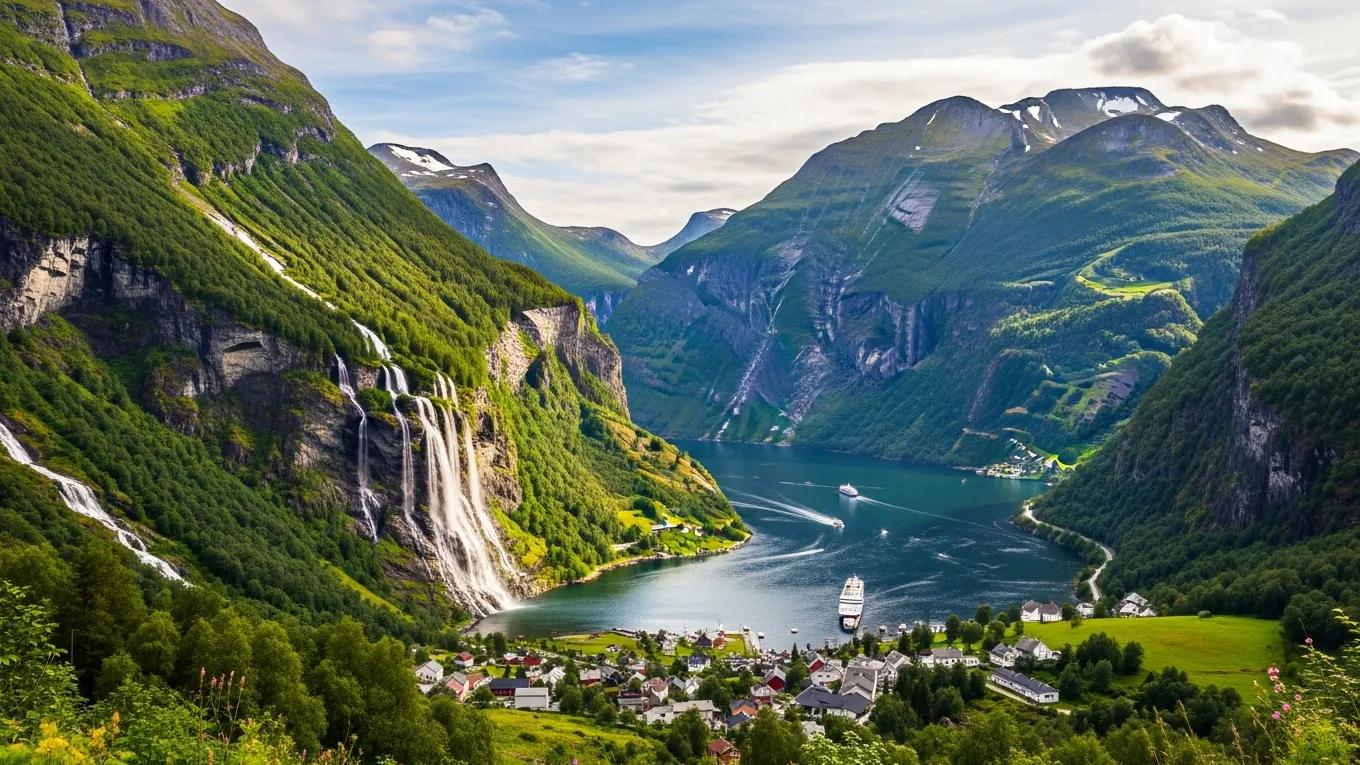
Experience Norway with this ultimate professional travel guide. Uncover stunning landscapes, rich culture, and practical tips for a memorable journey.
Comprehensive Norway Travel Guide: Planning, Attractions, and Experiences for 2026 Visitors
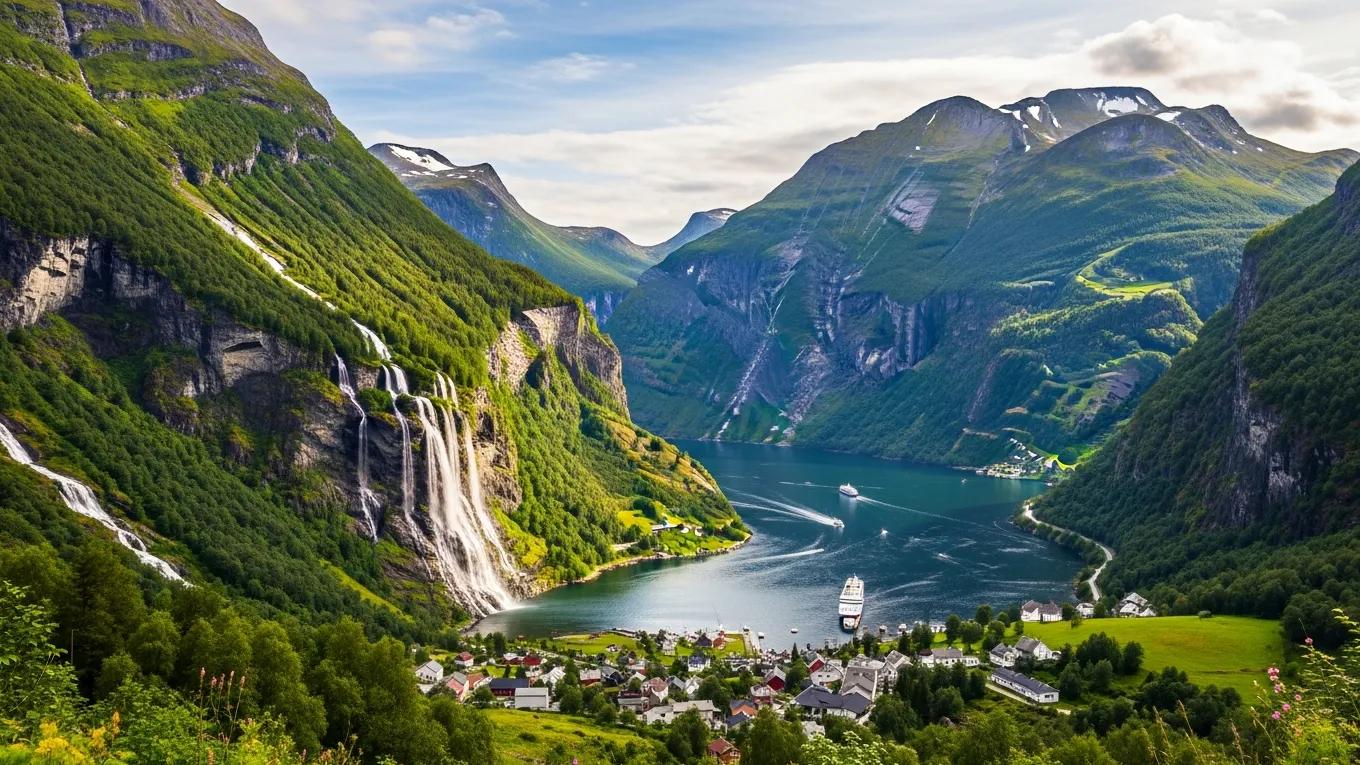
Norway, known for its stunning landscapes and rich cultural heritage, offers a unique travel experience that captivates visitors from around the globe. This comprehensive guide will equip you with essential insights into planning your trip, exploring top attractions, and immersing yourself in the diverse experiences Norway has to offer in 2026. Whether you're drawn to the majestic fjords, vibrant cities, or the enchanting Northern Lights, this guide will help you navigate your journey effectively. Many travelers face challenges in selecting the best times to visit and the must-see destinations, but with the right information, you can create an unforgettable itinerary. We will cover the best times to visit, top tourist attractions, a suggested 7-day itinerary, outdoor adventures, traditional Norwegian cuisine, and tips for booking accommodations.
What is the Best Time to Visit Norway for Optimal Experiences?
The best time to visit Norway largely depends on the experiences you seek. For those eager to witness the Northern Lights, the optimal months are from late September to early April, when the nights are longest and darkest. During this period, you can also enjoy winter activities such as skiing and dog sledding. Conversely, if you prefer milder weather and vibrant landscapes, the summer months of June to August are ideal for hiking, exploring the fjords, and experiencing the midnight sun. Each season offers unique activities and breathtaking scenery, making Norway a year-round destination.
Which Top Tourist Attractions Should You Include in Your Norway Itinerary?
Norway is home to a plethora of breathtaking attractions that cater to diverse interests. Here are some must-see destinations that should be included in your itinerary:
What Are the Must-See Destinations in Oslo, Bergen, and the Norwegian Fjords?
- Oslo: The capital city boasts a rich cultural scene, with highlights including the Viking Ship Museum, the Munch Museum, and the stunning Oslo Opera House. The city's parks and waterfront areas provide a perfect backdrop for leisurely strolls.
- Bergen: Known as the gateway to the fjords, Bergen features the historic Bryggen Wharf, a UNESCO World Heritage site, and the Fløibanen funicular, which offers panoramic views of the city and surrounding mountains.
- Norwegian Fjords: The fjords, particularly Geirangerfjord and Nærøyfjord, are renowned for their dramatic cliffs and serene waters. A cruise through these fjords is a quintessential Norwegian experience, showcasing the country's natural beauty.
How Do Cultural Events and Festivals Enhance Your Visit?
Cultural events and festivals play a significant role in enriching your travel experience in Norway. Major festivals such as the Bergen International Festival and the Oslo Jazz Festival offer visitors a chance to engage with local culture through music, art, and culinary experiences. Participating in these events allows travelers to connect with the local community and gain deeper insights into Norwegian traditions and contemporary life.
Beyond the well-known city festivals, indigenous cultural events like the Riddu Riddu Festival also offer profound insights into Norway's diverse heritage.
How to Plan a 7-Day Norway Travel Itinerary for Diverse Experiences?
Planning a week-long itinerary in Norway can be both exciting and challenging. Here’s a suggested framework to help you balance city exploration with outdoor adventures.
What Are Recommended Itineraries for Summer and Winter Visits?
Summer Itinerary:
- Day 1-2: Arrive in Oslo, explore the city’s museums and parks.
- Day 3: Travel to Bergen, visit Bryggen and take the Fløibanen funicular.
- Day 4: Take a fjord cruise from Bergen to the Sognefjord.
- Day 5: Explore the fjords with a guided kayaking tour.
- Day 6: Return to Oslo, visit the Munch Museum.
- Day 7: Depart from Oslo.
Winter Itinerary:
- Day 1-2: Arrive in Tromsø, known for its Northern Lights visibility.
- Day 3: Experience dog sledding and snowshoeing.
- Day 4: Travel to Lofoten Islands, explore the picturesque villages.
- Day 5: Enjoy skiing or snowboarding at a local resort.
- Day 6: Return to Tromsø for a cultural experience at the Polar Museum.
- Day 7: Depart from Tromsø.
How Can You Balance City Exploration with Outdoor Adventures?
To achieve a balance between urban and outdoor experiences, consider allocating specific days for city exploration and others for nature activities. For instance, spend two days in Oslo visiting museums and cultural sites, followed by a few days in the fjords or mountains for hiking or skiing. This approach allows you to enjoy the best of both worlds while minimizing travel time.
What Outdoor Adventures Are Available in Norway’s Fjords and Wilderness?
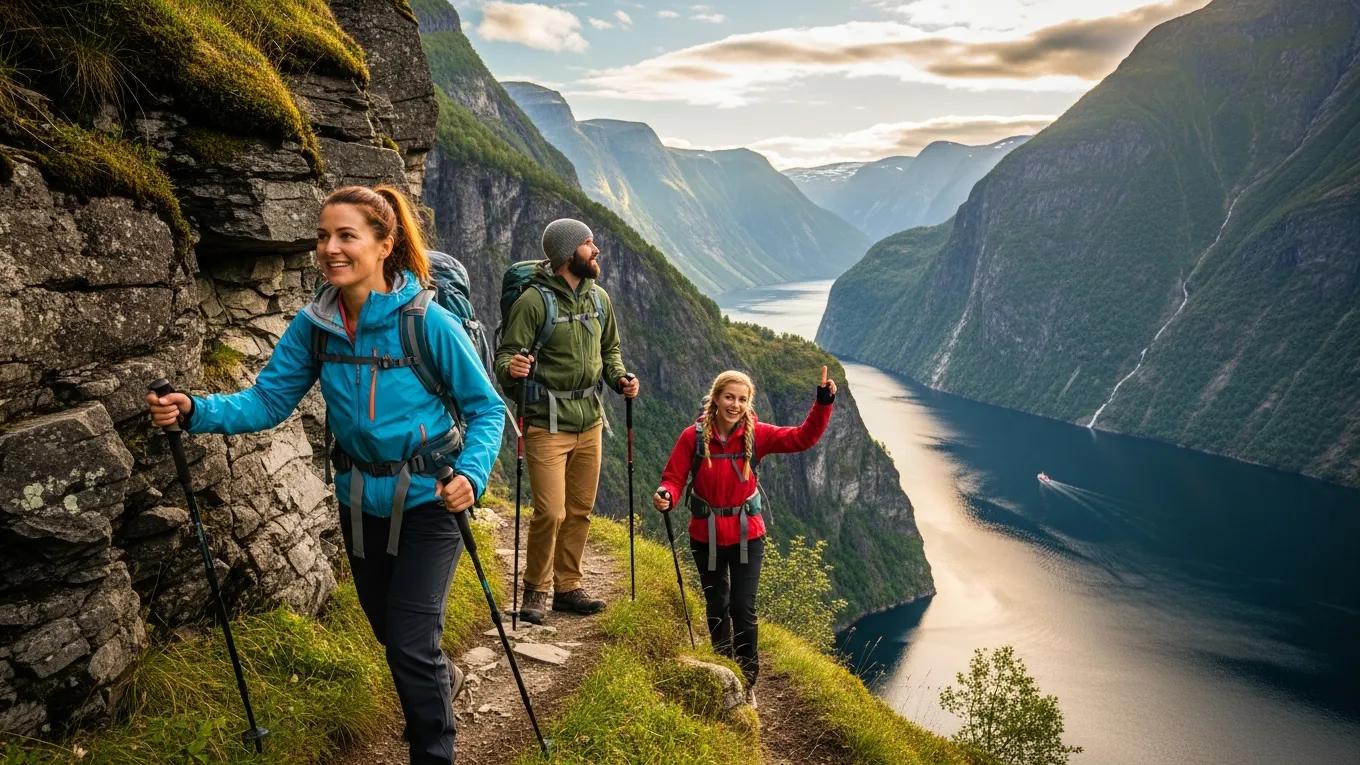
Norway's diverse landscapes offer a wide range of outdoor activities that cater to adventure seekers and nature lovers alike.
Which Hiking Trails and Skiing Opportunities Are Most Popular?
- Hiking: The Romsdalseggen Ridge and Trolltunga are among the most popular hiking trails, offering stunning views and challenging terrain. These trails are well-marked and suitable for various skill levels, making them accessible to many hikers.
- Skiing: Norway is home to numerous ski resorts, including Hemsedal and Trysil, which provide excellent skiing conditions and facilities. These resorts cater to both beginners and experienced skiers, ensuring a fun experience for all.
How Can Travelers Experience the Northern Lights Responsibly?
Experiencing the Northern Lights is a highlight for many visitors to Norway. To do so responsibly, travelers should choose guided tours that prioritize sustainable practices, such as minimizing light pollution and respecting local wildlife. Additionally, it's essential to dress warmly and be prepared for changing weather conditions to fully enjoy this natural phenomenon.
Further research sheds light on the growing interest and impact of Northern Lights tourism in the region.
What Should You Know About Traditional Norwegian Food and Dining Options?

Norwegian cuisine is characterized by its use of fresh, local ingredients and traditional cooking methods. Understanding the culinary landscape can enhance your travel experience.
Which Traditional Dishes Are Essential to Try in Norway?
- Raspeballer: These potato dumplings are often served with meat and gravy, showcasing the hearty nature of Norwegian cuisine.
- Lapskaus: A traditional stew made with meat and root vegetables, perfect for warming up after a day outdoors.
- Klippfisk: Dried and salted cod, a staple in Norwegian households, often served with potatoes and vegetables.
Where to Find Authentic Restaurants and Local Dining Experiences?
To experience authentic Norwegian cuisine, seek out local restaurants and eateries that emphasize traditional dishes. Areas like Grünerløkka in Oslo and Bryggen in Bergen are known for their vibrant food scenes, featuring both casual dining and fine dining options that highlight local flavors.
How to Choose and Book the Best Accommodations in Norway?
Selecting the right accommodations can significantly impact your travel experience in Norway.
What Types of Hotels, Lodges, and Unique Stays Are Available?
Norway offers a variety of accommodation options, from luxury hotels to cozy lodges and unique stays like traditional rorbu (fishermen's cabins) in the Lofoten Islands. When booking, consider factors suchs as location, amenities, and guest reviews to find the best fit for your needs.
How Do Booking Platforms Ensure Security and Compliance?
When booking accommodations, reputable platforms prioritize user security by implementing measures such as secure payment processing and data protection protocols. Additionally, they often comply with local regulations to ensure a safe and reliable booking experience for travelers.