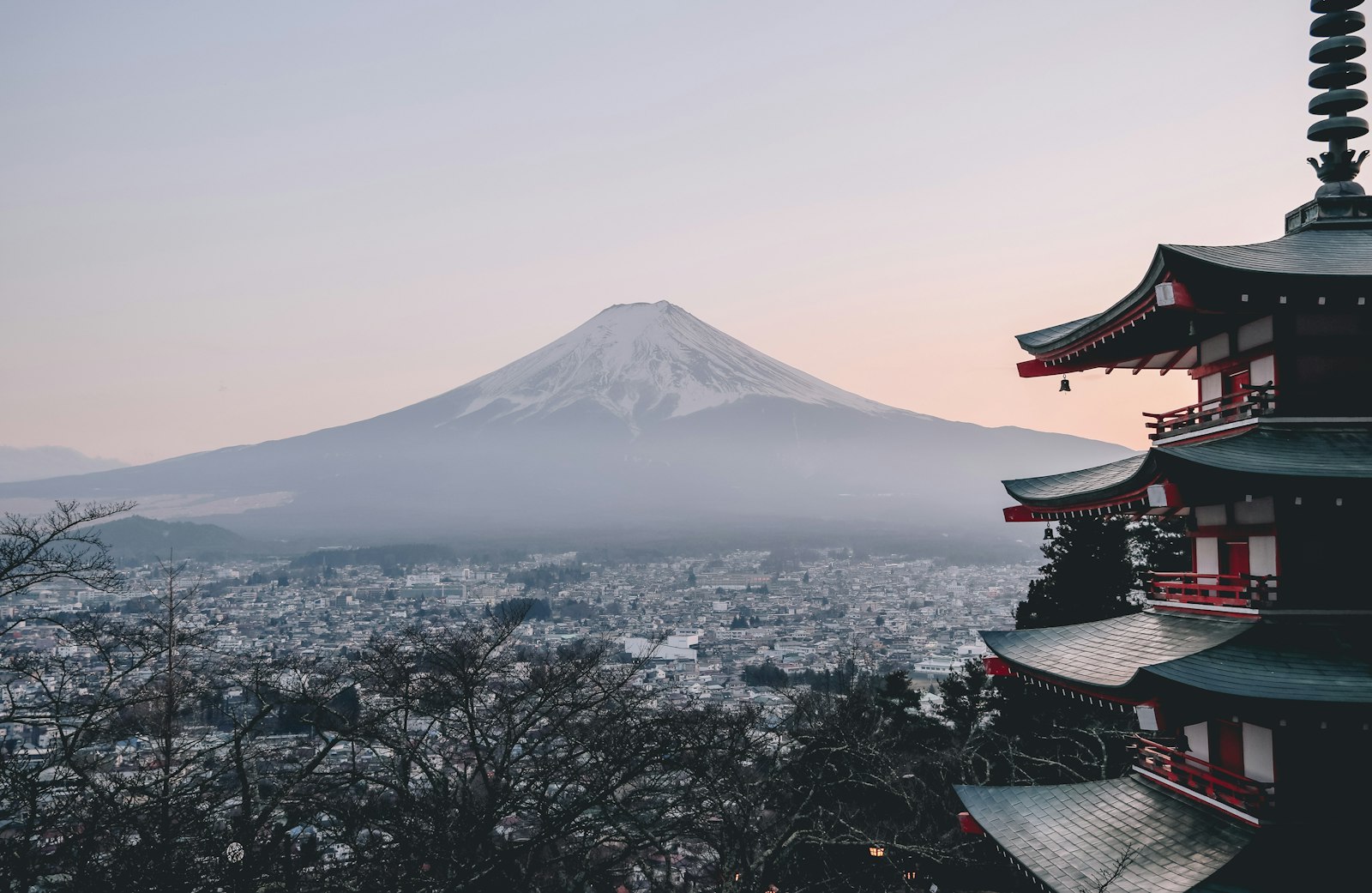
Japan is one of the most rewarding countries on Earth for travelers — a place where ancient and ultramodern coexist on the same city block. Whether you're deciding where to go in Japan for the first time or planning your fourth trip, the hardest part is always choosing. This guide covers the best places to visit in Japan: iconic cities, sacred temples, volcanic landscapes, and a few places the tour buses haven't found yet.
Best Places to Visit in Japan: Overview
Japan stretches nearly 3,000 km from subtropical Okinawa in the south to snowy Hokkaido in the north, and every region feels like a different country. Most first-time visitors stick to the classic Golden Route — Tokyo, Kyoto, Osaka, with a stop in Nara or Hiroshima — and it's a classic for good reason. But Japan rewards those who go further. Below is a comprehensive guide to the best destinations across the country, from the obvious to the overlooked.
Tokyo — The Best Places to Visit in Tokyo
Tokyo is one of the greatest cities in the world — a metropolis of 14 million people where every neighborhood has its own distinct personality. Most visitors spend 3–5 days here and still feel they've only scratched the surface. Here are the best places to visit in Tokyo:
Shinjuku
The city's entertainment and transport hub, with Shinjuku also one of Tokyo's areas of bright lights at night. By day: the vast Shinjuku Gyoen garden (one of Tokyo's best cherry blossom spots), the soaring Tokyo Metropolitan Government Building observation deck (free, open evenings), and Takashimaya Times Square. By night: the neon labyrinth of Kabukicho, the intimate Golden Gai bar alley (dozens of tiny 6-seat bars, each with a different personality), and Omoide Yokocho — "Memory Lane" — where smoke-filled yakitori stalls have barely changed since the 1950s.
Shibuya
Home to the world's busiest pedestrian crossing, Shibuya Scramble is as mesmerizing at midnight as it is at rush hour. Climb to the Shibuya Sky rooftop observation deck for the definitive Tokyo panorama. The surrounding streets — Daikanyama, Nakameguro, Tomigaya — are Tokyo at its most stylishly casual: independent coffee shops, concept stores, and riverside walks beneath cherry trees.
Asakusa
Tokyo's most traditional neighborhood and the one that feels most like old Edo. Senso-ji temple is Japan's most visited shrine — arrive before 7am to see it without crowds. The Nakamise shopping street leading to the temple sells everything from quality crafts to tourist kitsch. For travelers interested in local seafood culture, Tsukiji Fish Market is another classic Tokyo food stop nearby. Explore the backstreets around Yanaka for antique shops, traditional craft workshops, and the kind of Tokyo that survived the 20th century's earthquakes and air raids.
Harajuku & Omotesando
Takeshita Street is the epicenter of Tokyo's youth fashion culture — cosplay, crepes, and street style at its most extreme. Two minutes' walk away, Omotesando is the polar opposite: a tree-lined boulevard of high-end architecture and global luxury brands. Meiji Shrine sits at the top, a vast forested sanctuary that feels impossibly serene for a city this size.
Akihabara
Tokyo's famous electronics and anime district. Multi-story shops sell everything from vintage components to the latest gaming hardware; maid cafés and figure stores occupy the upper floors of every building. Even if you're not into anime, the sensory overload is worth an hour.
Ueno & Yanaka
Ueno Park is Tokyo's cultural anchor — the National Museum, Tokyo Metropolitan Art Museum, Ueno Zoo, and a celebrated cherry blossom avenue are all here. The adjacent Yanaka neighborhood is the city's best-preserved old town: wooden temples, craft workshops, a cemetery that's a genuine local park, and a shopping street (Yanaka Ginza) that genuinely caters to residents, not tourists.
Odaiba & teamLab Borderless
The futuristic artificial island in Tokyo Bay is worth visiting for teamLab Borderless alone — an immersive digital art museum that is genuinely unlike anything else in the world. Book months ahead. The Gundam statue, Palette Town, and Rainbow Bridge views make Odaiba a full half-day.
Kyoto — Japan's Cultural Capital
No list of the best places to visit in Japan is complete without Kyoto. The former imperial capital is also where Japanese culture feels most concentrated and accessible, with over 2,000 temples and shrines, 17 UNESCO World Heritage sites, and intact geisha districts.
Fushimi Inari Taisha: Thousands of vermillion torii gates winding up a forested mountain. The famous lower gates are photographed by millions; hike to the summit (90 min) and you'll have the trail almost to yourself. Go at dawn.
Kinkaku-ji (Golden Pavilion): Impossibly photogenic — a Zen temple covered in gold leaf reflected in a mirror pond, also known as Kinkakuji Golden Temple. Yes, it's crowded. Yes, it's still worth it.
Arashiyama: The bamboo grove, Tenryu-ji garden, and the Oi River. Rent a bicycle and explore the quieter temples — Jojakko-ji and Nison-in — that most visitors miss.
Gion: Kyoto's geisha district, with historic tea houses that deepen its traditional atmosphere. The best time to explore is early evening, when the wooden machiya townhouses glow with lantern light. Spot geiko (Kyoto's geisha) on their way to appointments on Hanamikoji Street.
Philosopher's Path: A canal-side walk connecting Nanzen-ji to Ginkaku-ji (Silver Pavilion) through one of Kyoto's finest cherry blossom corridors. Best during cherry blossom season.
Nishiki Market: Kyoto's "kitchen" — a narrow covered market packed with tofu shops, pickle vendors, grilled skewers, and matcha everything. Eat your way through it.
Kyoto is also one of the best places to experience a tea ceremony or a traditional tea ceremony.
Allocate at least 3 full days for Kyoto. Many visitors wish they'd given it a week.
Osaka — Japan's Most Underrated City
Osaka has a reputation as Japan's most fun, most food-obsessed city — and it earns it. Where Tokyo is intense and Kyoto is refined, Osaka is looser, louder, and more approachable than Japan’s other big cities.
Dōtonbori: The neon canal district at the heart of Osaka's nightlife, with a buzzing street food scene. Eat takoyaki (octopus balls), okonomiyaki (savory pancakes), and kushikatsu (deep-fried skewers on sticks) from street stalls and casual restaurants.
Osaka Castle: A magnificent 16th-century castle surrounded by a moat and cherry trees. The interior museum is informative; the views from the top floor cover the entire city.
Shinsekai: A retro working-class entertainment district that feels like a time capsule. Blowfish restaurants, pachinko parlors, and the Tsutenkaku tower.
Kuromon Ichiba Market: Osaka's main food market, open in the morning. The freshest seafood, wagyu beef skewers, and tamagoyaki (rolled omelette) in the city.
For travelers mixing classic sights with modern entertainment, Universal Studios Japan is another major Osaka draw.
Hiroshima & Miyajima Island
Hiroshima is an essential stop — not just for history, but because it's a genuinely beautiful, vibrant coastal city that has rebuilt itself with remarkable grace. The Peace Memorial Museum is one of the most powerful museums in the world; allow 2–3 hours and go with an open mind. The Atomic Bomb Dome (the only structure left standing near ground zero) sits on the riverbank directly opposite as part of the Hiroshima Peace Memorial.
Take the short ferry ride to Miyajima Island to see the famous floating torii gate of Itsukushima Shrine — one of Japan's most iconic images. At high tide, the gate appears to float on the water. Wild deer wander freely across the island. Try Hiroshima-style okonomiyaki for lunch — layered, not mixed, and far superior to the Osaka version.
Nara — Deer, Temples & Silence
Nara was once Japan's capital and its first permanent capital (710 AD), and its ancient core feels entirely preserved. Todai-ji temple houses Japan's largest bronze Buddha statue — staggeringly large and housed in one of the world's biggest wooden buildings. Its temples and shrines are both cultural treasures and historic treasures. The surrounding Nara Park, the city's famous deer park, is home to over 1,000 wild deer considered sacred messengers of the gods. They bow for deer crackers. It's as good as it sounds.
Nara makes an excellent day trip from Kyoto (45 min by train) or Osaka (35 min). Stay overnight to experience the park at dawn and dusk when the deer outnumber tourists, especially if you're one of many nature lovers drawn to its quieter side.
Hakone — Mt. Fuji & Onsen Country
Hakone sits in the volcanic mountains 90 minutes southwest of Tokyo, offering the quintessential combination of Mount Fuji views, outdoor hot springs, and dramatic landscape framed by striking natural beauty. The Hakone Loop — a combination of mountain train, cable car, ropeway, and pirate ship on Lake Ashi — is a full day of scenery. The Owakudani volcanic valley vents sulfurous steam around black-shell boiled eggs. Stay in a traditional ryokan with an outdoor onsen fed by natural hot springs and a private onsen, and you'll understand why Japanese city-dwellers make this their weekend escape.
Nikko — Shrines in the Forest
Two hours north of Tokyo, Nikko is home to Toshogu Shrine — the most ornate and extravagant Shinto shrine in Japan, built to enshrine the shogun Tokugawa Ieyasu. The complex is a UNESCO World Heritage Site buried in ancient cedar forest. Autumn foliage in Nikko is among the best in Japan: mid-October to early November, the cedar and maple canopy turns gold and red around gilded shrine gates. Visit on a weekday — weekends are crowded.
Hokkaido — Japan's Wild North
Japan's northernmost main island is a world apart: vast national parks, the best powder skiing on earth, and some of the country's finest produce. Sapporo is a well-planned, easy-going city famous for its miso ramen, Sapporo beer, and February Snow Festival. Niseko draws serious skiers from across Asia for its legendary dry powder (December–March). In summer, Furano's lavender fields and Biei's patchwork hills are genuinely spectacular. Shiretoko Peninsula — UNESCO wilderness — offers brown bear sightings, drift ice in winter, and some of the most remote scenery in Japan.
Okinawa — Tropical Japan
Okinawa is Japan's southern island chain — a subtropical beach destination closer to Taiwan than Tokyo, with turquoise water, coral reefs, and a distinct Ryukyuan culture entirely its own. Naha's Kokusai Street and Shuri Castle (a reconstructed Ryukyuan palace) are the main draws on the main island. The outer islands — Ishigaki, Iriomote, and Miyako — have beaches and diving that rival anywhere in Southeast Asia. Visit April–June or October for beach weather without typhoon risk.
Where to Go in Japan: Off the Beaten Path
Beyond the Golden Route, these destinations reward travelers who venture further:
Kanazawa: Dubbed "Little Kyoto," Kanazawa has preserved samurai and geisha districts, one of Japan's top three gardens (Kenroku-en), and the outstanding 21st Century Museum of Contemporary Art. Far fewer tourists than Kyoto.
Takayama (Hida Sanmachi): A beautifully preserved Edo-period merchant town in the Japan Alps. The morning markets, sake breweries, Hida Folk Village, and proximity to the thatched-roof village of Shirakawa-go and other quaint villages make it one of Japan's most atmospheric destinations, and a stay in a traditional inn often comes with delicious food.
Kinosaki Onsen: A traditional onsen town on the Sea of Japan coast where visitors wander between seven public bathhouses in yukata robes, often while staying in a ryokan rather than seeking temple lodging. One of the most authentically Japanese experiences available to foreign travelers.
Naoshima Island: One of the Seto Inland Sea's art islands in rural Japan, Naoshima has become one of the world's premier contemporary art destinations after once risking life as a ghost town — with Tadao Ando architecture, the chichu art museum, outdoor sculptures, and a town of art-filled traditional houses.
Yakushima: A UNESCO-listed island of ancient cedar forests (some trees over 2,000 years old) that inspired the landscape of Studio Ghibli's Princess Mononoke. Extraordinary hiking along famed hiking trails.
How to Plan Your Japan Itinerary
Japan's excellent rail network makes the bullet train the easiest way to connect major stops on a japan trip without backtracking. A 14-day first trip typically works especially well for first timers visiting Japan and covers: Tokyo (4 days) → Hakone or Nikko (1–2 days) → Kyoto (3 days) → Nara day trip → Osaka (2 days) → Hiroshima & Miyajima (1–2 days). For a 21-day trip, add Kanazawa and Takayama on the way to Kyoto, and Hokkaido or Okinawa on either end.
Buy a Japan Rail Pass before leaving home if you're traveling between cities — a 14-day pass (~¥70,000) pays for itself on the Tokyo–Kyoto route alone, and part of the fun is grabbing an ekiben at the train station before boarding. For within-city travel, load a Suica or Pasmo IC card at any station.
Fujikawaguchiko is just a short journey from Tokyo and a classic add-on for Mount Fuji views.
Himeji Castle is an easy stop between Kansai and Hiroshima, with rich history and one of the country's best-preserved castle grounds.
This route covers plenty of japan bucket list highlights.