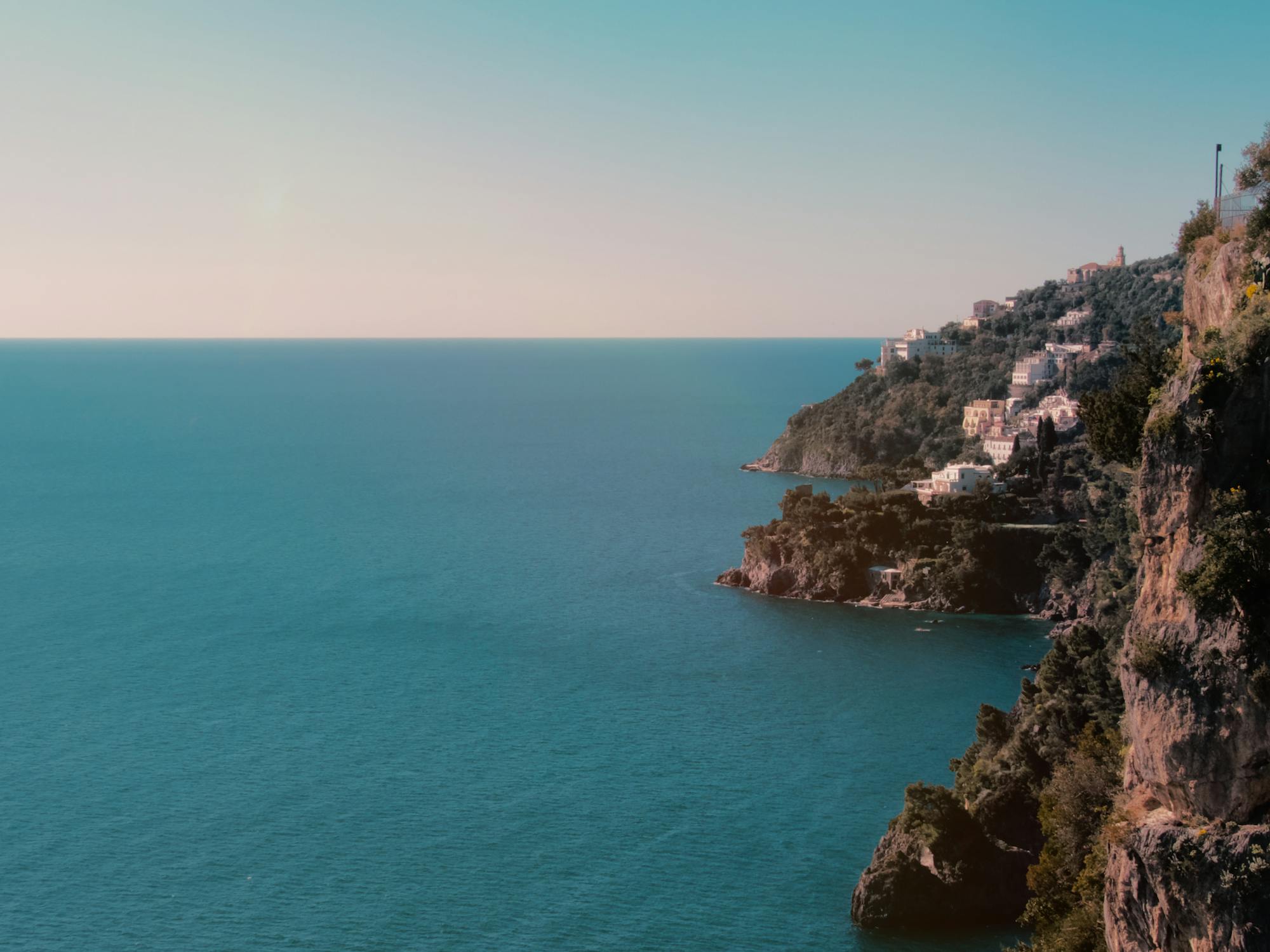
The best time to visit the Amalfi Coast is late May through June, or September through early October, when the weather is reliably warm and sunny, the sea is perfect for swimming, and the overwhelming crowds and scorching heat of high summer have yet to arrive — or have already departed. These shoulder months also offer significantly better value, with accommodation prices in May or October up to 40% lower than July and August peak rates.
The best time to visit the Amalfi Coast is late May through June, or September through early October. During these shoulder months the weather is reliably warm and sunny, the sea is perfect for swimming, the famous lemon trees are in full fruit, and the overwhelming crowds and scorching heat of high summer have yet to arrive — or have already departed. These windows also offer significantly better value: accommodation prices in May or October can be 40% lower than July and August peak rates, and the restaurants and ferry boats are far more enjoyable without the intense summer congestion. That said, every season on the Amalfi Coast has its own appeal, and even winter visits have their rewards for travellers willing to brave the occasional grey day.
Best Time to Visit Amalfi Coast: Spring (March–May)
Spring is the Amalfi Coast at its most fragrant and photogenic. March begins quietly — some smaller hotels and restaurants are still closed from winter — but by April the coast awakens, with average temperatures around 13°C to 20°C (55°F to 68°F): wildflowers carpet the clifftops, lemon blossoms perfume the air, Villa Cimbrone in Ravello is in full bloom, and the water temperatures begin climbing toward a swimmable 17–18°C. Easter week is the peak holiday period, when Holy Week and Easter celebrations bring added Italian domestic travel, heavier crowding, and tighter planning constraints, so book ahead. May, in late spring, is often the best time to visit and the best time to visit the Amalfi Coast if you want long daylight hours, temperatures in the mid-20s°C, a very warm and increasingly swimmable sea, and all attractions and boat tours operating at full capacity without the July madness; for many travelers, this is when to visit Amalfi Coast or visit the Amalfi Coast for the ideal balance. The Path of the Gods is especially good for outdoor activities in April, May, and October. The Ravello Festival begins in spring and continues through September, and ferries run from April to October for the best travel options.
Summer (June–August): Best Time to Visit
June marks the start of the high season and keeps much of May's magic for the first three weeks, though by mid June the build-up toward summer crowds becomes more noticeable. July and August are the busiest and hottest months, with summer temperatures typically reaching 24°C to 30°C (75°F to 86°F) and humidity making inland excursions sweaty work. The coastal road becomes severely congested — in peak weeks the bus journey from Positano to Amalfi that should take 30 minutes can stretch to two hours. Beaches are packed, restaurants fully booked, and accommodation at its most expensive. In July, the sea temperature reaches 25°C, making swimming and beach activities especially appealing. That said, summer evenings on the coast are genuinely magical: the warm weather suits outdoor activities, and during the summer months the summer heat softens after sunset, making outdoor dining, late sunsets, and the festive atmosphere of villages at their most alive especially enjoyable. Ferries and boat tours run at maximum frequency, and a private driver can also be a practical alternative for inland transfers. If visiting in July or August, book everything 6–9 months ahead and embrace an early-morning/late-evening rhythm to avoid the worst of the heat and crowds.
Autumn (September–November) and Key Events
September is arguably an excellent time and a great time for the best time to visit the Amalfi Coast, with fewer tourists and fewer crowds after the first week. The sea is at its warmest (24–26°C), autumn temperatures ranging from 21°C to 26°C (70°F to 79°F), and the sea remains warm, while the quality of light on the cliffs and sea in the golden afternoon hours is extraordinary. Restaurants are still fully operational and the hiking trails are cooler and more comfortable. Villa Rufolo in Ravello is also a seasonal highlight for its gardens and views. October remains pleasant, and early autumn is one of the best time to visit if you want warm days, swimming in early October, and villages that regain a local, unhurried character. The Ravello Festival concludes, but cultural events continue through the autumn. Other key events can include the Regatta of the Ancient Maritime Republics, which occurs every four years and celebrates the ancient maritime republics. November is the wettest month, averaging 162.6mm of rain, and by mid-November some ferry services reduce their schedules. The Festival of Sant' Andrea is celebrated on November 30 in Amalfi. The lemon harvest peaks in autumn, making this a wonderful time to visit local farms and purchase limoncello directly from producers.
Winter (December–February) and Ancient Maritime Republics
Winter offers a quieter kind of trip for travellers who value space and lower prices. Amalfi town remains open and functioning year-round as a working community, and larger towns stay active in the winter months, so the cathedral, the Chiostro del Paradiso, and the Museo della Carta can still be explored in near-solitude. In smaller places, many hotels shut seasonally, and restaurants close from November through March, especially in Positano and Ravello. Temperatures are mild by northern European standards — winter temperatures range from 8°C to 15°C (46°F to 59°F) — and sunny winter days on the coast are remarkably pleasant for walking the clifftop paths and footpaths. Christmas week sees a revival in visitors, and in this part of Italy festive decorations and elaborate nativity scenes add a particular charm. January and February are the quietest and cheapest months of all, with winter offers sometimes available. It is also less suitable for beach activities, even if sea-air walks are still pleasant.
What to Avoid and When to Go Off-Peak for Fewer Crowds
Avoid the last two weeks of July and the entirety of August unless you have booked months in advance and are prepared for serious crowds, elevated prices, and congested roads. Day-trippers from Naples and Salerno flood the most popular villages — Positano in particular — between 10am and 5pm every summer day, bringing big crowds and busy streets during the highest-pressure stretch of the season, so if visiting in peak season, be on the beach or hiking by 7:30am and plan your village exploring for early morning or evening. Avoid driving your own car along the SS163 in summer if possible — the road is genuinely dangerous when congested, and parking is nearly impossible. Public buses, ferries, and water taxis are far more sensible options, though ferries are usually the best choice in season and a private driver is often more comfortable than self-driving. If you're deciding the best time to visit, the best time to visit Italy's Amalfi Coast is usually late spring — with May the best month — or the last two weeks of September, when you can expect warm weather and fewer crowds.