Argentina's enormous size — stretching nearly 4,000 kilometres from north to south — means there is no single "best time" to visit the entire country.
Best Time to Visit Argentina: A Region-by-Region Seasonal Guide
Argentina's enormous size — stretching nearly 4,000 kilometres from north to south — means there is no single "best time" to visit the entire country, and when to visit Argentina depends on which regions and experiences you prioritize. Different regions have radically different climates and optimal seasons, and because Argentina is in the southern hemisphere, seasons are reversed for travellers from the northern hemisphere. Buenos Aires is excellent in spring and autumn; central Argentina also shines in these shoulder seasons; Patagonia is best in the southern summer (December–February); Mendoza wine country peaks during the harvest in March; northern Argentina varies by altitude and is often most comfortable in the cooler dry months; and Iguazu Falls is accessible and spectacular year-round. Understanding these regional patterns is essential for planning a multi-destination Argentina itinerary.
Buenos Aires: Best in Spring and Autumn
Buenos Aires has a temperate climate with four distinct seasons. Spring (September–November) is the city's finest season — mild temperatures of 18–24°C, the jacaranda trees in Palermo exploding into violet bloom, outdoor café culture at its best, and a festive atmosphere leading to summer, with pleasant weather that makes exploring on foot especially appealing. This is widely considered the best time to visit. Autumn (March–May) is equally pleasant — warm, long days with gradually cooling temperatures, and cooler temperatures make exploring Buenos Aires more comfortable as the city settles into a more relaxed rhythm after the summer holidays. For travelers planning to visit Buenos Aires mainly for sightseeing, spring or autumn is usually ideal thanks to the mild weather.
Summer (December–February) in Buenos Aires is hot and humid, with temperatures frequently exceeding 35°C. Many porteños leave the city in January, and locals head to coastal resorts then, giving the city a quieter feel. Winter (June–August) brings mild temperatures of 8–15°C — cool but rarely freezing — and the city remains vibrant and rewarding, with lower accommodation prices in the low season.
Patagonia: Best December to February
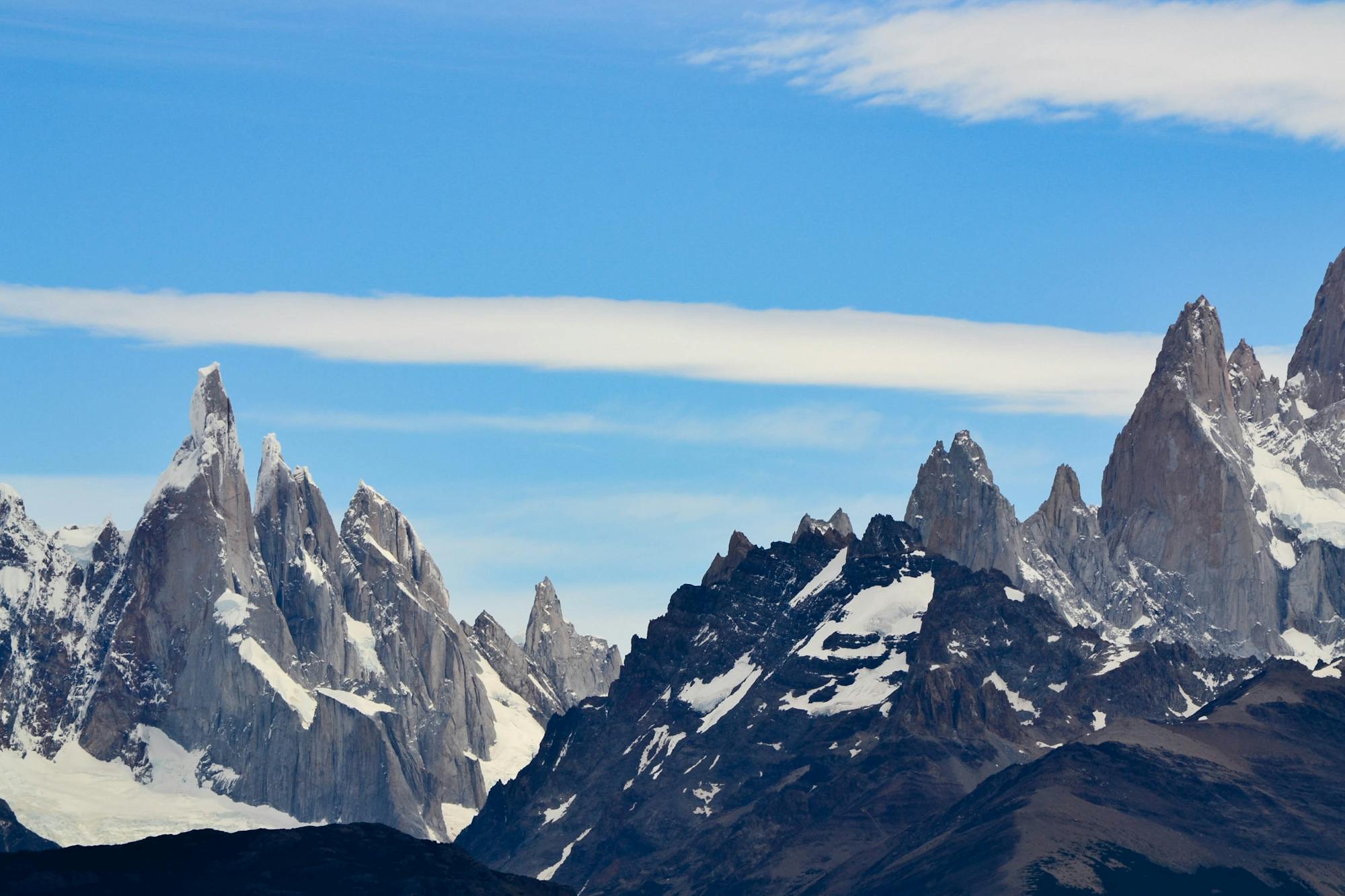
Argentine Patagonia's optimal season is the southern summer from December to February, the peak season and high tourist season, when peak season prices are highest. During these summer months, temperatures are mild (10–20°C), extended daylight hours and summer warmth improve access and comfort for hiking and outdoor activities and other outdoor adventures, and the trekking routes in Torres del Paine (Chile) and Los Glaciares National Park are open and accessible; many travelers combine Argentine Patagonia with Chilean Patagonia on the same trip. Patagonia is also ideal for wildlife watching, especially for wildlife lovers hoping to spot sea lions and southern right whales along the coast. January is the absolute peak — Perito Moreno Glacier is at its most dramatic, hiking trails in El Chaltén are buzzing, and outdoor activities are in full swing while wildlife including condors, guanacos, and flamingos are most active.
March and early April extend the season into early autumn, a shoulder season with fewer tourists and fewer peak season crowds, offering scenic drives and autumn colours as the lenga beech forests turn gold and copper. Patagonian weather is notoriously unpredictable year-round — wind, rain, and sunshine can occur within the same hour — so layered clothing and waterproof gear are essential regardless of season.
Winter in Patagonia (June–September) brings heavy snow, closed trails, and limited access — the winter months are generally not recommended for most visitors, though Bariloche and the Lake District become a hub for ski season at Andean ski resorts and other winter sports during this period. Tierra del Fuego and southern Patagonia are best accessed in summer, while northern Patagonia has a slightly longer shoulder season.
Mendoza: Harvest Season in March
Mendoza's finest time is March, when this wine region in Argentina's central region sees the grape harvest (vendimia) transform the vineyards into a riot of activity. The annual Fiesta Nacional de la Vendimia, the Vendimia Grape Harvest Festival (National Grape Harvest Festival), in late February/early March is one of Argentina's most spectacular and anticipated events — the Mendoza Wine Festival features parades, concerts, and the crowning of a queen, alongside harvest queen elections, folk music, wine tastings, and a grand outdoor spectacle at the Frank Romero Day Amphitheatre. This is the best time to visit wineries as fermentation is underway and the energy is exceptional.
Spring (September–November) and early summer (November–December) are also excellent — warm temperatures perfect for cycling between wineries, while early autumn brings pleasant temperatures for sightseeing and vineyard visits, with the Andes snow-capped and photogenic. Avoid the intense summer heat of January and February if possible.
Iguazu Falls: Year-Round but Best in April–October
Iguazu Falls, in northern Argentina, is accessible and spectacular year-round, but the experience varies considerably by season. April to October generally offers the most comfortable temperatures (20–28°C) and good weather, with lower humidity making conditions easier in a humid climate. The rainy season (November–March) brings heavier rainfall and summer rains that increase the falls' volume and power dramatically, but also brings intense heat (35°C+), more insects, and humid weather that can make the walk-heavy circuits more demanding.
August and September can occasionally reduce water flow during drier periods, but even at lower volume the falls remain spectacular. Some of the most powerful flow occurs in October–December following Amazonian rains upstream, and high water can create even more dramatic scenes.
Key Festivals and Events
Vendimia — National Grape Harvest Festival (March, Mendoza): Argentina's most celebratory wine event. A must for oenophiles.
Buenos Aires Tango Festival (August): World-class milongas, shows, and workshops fill the city for two weeks — the best time for tango enthusiasts.
Cosquín Folk Festival (January): Argentina's premier traditional music festival, held in Córdoba province — nine nights of folklore music under the stars.
Buenos Aires Jazz Festival (November): International jazz musicians perform across the city for a week.
Christmas and New Year: Buenos Aires celebrates New Year outdoors — the city's waterfront Puerto Madero hosts massive fireworks displays. Book accommodation months ahead.
Weather Summary by Region
Argentina’s weather shifts across the whole country, so timing depends on region and trip ideas.
Buenos Aires: Best Sep–Nov and Mar–May, with minimal crowds usually only outside peak holiday dates. Avoid Jan–Feb heat if possible.
Patagonia: Best Dec–Feb, when summer access is easiest; El Chaltén/El Calafate peak in Jan.
Mendoza: Best Mar (harvest) and Sep–Nov (spring). Avoid Jan–Feb heat.
Iguazu Falls: Good year-round; best Apr–Oct for comfort.
Northwest Argentina/Salta: Best Apr–Oct (dry season in the Andes).
Bariloche: Skiing Jun–Sep; hiking Dec–Feb.
Best timing across Argentina varies by region, not a single nationwide season.