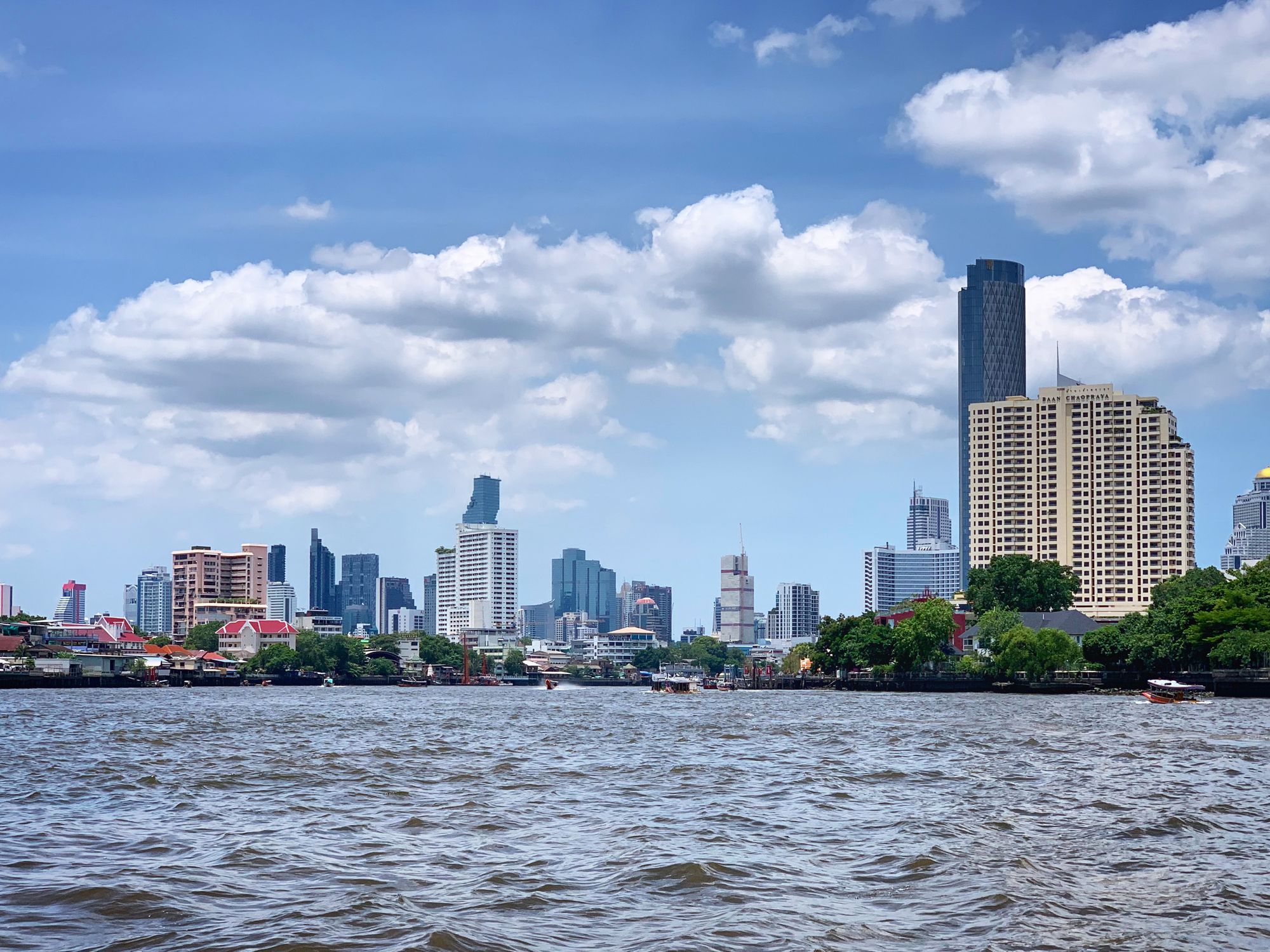
The best time to visit Bangkok is during the cool and dry season from November to February, when temperatures drop to a manageable 25–32°C, humidity is lower, and skies are mostly clear.
The best time to visit Bangkok is during the cool and dry season from November to February — when temperatures drop to a relatively manageable 25–32°C, humidity is lower, and skies are mostly clear. Bangkok is a year-round destination (temples, markets, and restaurants never close), but the city's tropical climate means the experience varies significantly across seasons. The monsoon (May–October) brings daily rain, though mostly in afternoon downpours rather than all-day grey; even in peak wet season, most mornings are clear enough for temple visits. The fierce heat of March–May is the hardest season for outdoor sightseeing, though the Songkran water festival in April makes it a memorable time regardless.
Best Time to Visit Bangkok: Cool and Dry Season (November–February)
This is Bangkok's best season and the best time to visit Bangkok, as well as the best time to visit if you want the city's most comfortable conditions during the cool season. November sees the tail end of the monsoon giving way to clear skies and dropping humidity — the Loy Krathong festival, where Thais release candlelit floating offerings onto the Chao Phraya, creates a magical atmosphere across the city, and early November and late November are especially appealing for the festive feel and improving weather. December and January bring Bangkok's most pleasant weather: temperatures around 25–30°C with low humidity, blue skies, dry weather, and cool evenings; December is the city's driest month with just 10mm of rain and minimal rainfall. This is peak season and the high season — the Grand Palace, Chatuchak Market, and other major tourist attractions are busiest now. February is excellent, with similar weather to January but slightly fewer crowds as Europeans return from Christmas holidays, so it remains a great time to visit Bangkok. Hotel prices peak in December–January; book riverside luxury hotels at least 6–8 weeks ahead before you visit Bangkok.
Hot Season (March–May)
Bangkok's hot season is genuinely intense. March averages 32–35°C, and temperatures rise in March as rising temperatures signal the shift out of the cool season. In April, temperatures soar in the hot season and can push 38–40°C with high humidity that makes outdoor activity exhausting by midday. This is the hardest season for sightseeing — plan temple visits and other outdoor activities for early morning (open from 8am) or late afternoons, and use air-conditioned malls, museums, and restaurants for indoor activities during the hottest hours. Songkran (Thai New Year, 13–15 April) transforms Bangkok into the world's largest water fight — Silom Road and Khao San Road are the epicentres, and the atmosphere is extraordinary. Hotels during Songkran week book out weeks ahead; book early and bring waterproof bags for your phone and camera. May stays hot through the summer months even as pre-monsoon clouds build, and with fewer visitors and fewer tourists, this period can feel easier for some travellers.
Monsoon (Rainy) Season (May–October)
Bangkok's rainy season runs roughly May to October. The city has a tropical climate with three main seasons, and this period is also referred to as the wet season or monsoon season. Rain typically arrives in the afternoon as sharp, dramatic thunderstorms, often as rain showers that clear within an hour — some days bring light rain while others see heavy showers, but mornings are usually fine for sightseeing. September is typically the wettest month with 220mm of rainfall, and October remains part of the wettest period, when flooding in low-lying neighbourhoods is possible in heavy years. The city's drainage has improved, but some areas (particularly near the old canals) still flood after prolonged rain, and torrential rain during monsoon rains can occasionally disrupt plans.
The advantage of visiting in low season is significant: hotel prices drop 30–40%, attractions are noticeably less crowded, and July sits in the off season, which can suit travellers happy with fewer crowds and shopping-focused trips. The Amazing Grand Sale runs from July to August and offers discounts during this period. Bangkok's restaurant scene is just as vibrant, and many of the city's best restaurants are indoors anyway, making the rain less relevant to the overall experience in humid weather. October is transitional — rains ease mid-month and by late October the weather is already improving.
Shoulder Season Sweet Spots: Best Time to Visit
November is widely considered the best time to visit Bangkok — the rains have ended, temperatures drop to an ideal 28–30°C, great weather returns with improving post-monsoon conditions, and exploring Bangkok is far more comfortable; the Loy Krathong festival (typically the full moon in November) is also one of Southeast Asia's most beautiful events. It's also before the December tourist peak, so prices remain reasonable. October (late in the month) is a great value window — the monsoon is ending, temple tourists are thin on the ground, and hotel rates are at year lows before the November uptick. For travellers focused on indoor culture (museums, restaurants, cooking classes, shopping), the May–June window offers good deals before the wettest months hit, with weather still manageable in the mornings, and it can also work well for those planning a trip who want to spend time on culture while avoiding the busiest high-season period.
Festivals and Events: Best Time to Visit
Songkran (13–15 April) is the unmissable Thai New Year water festival — Bangkok celebrates it with particular intensity on Silom Road and in the old city, while Thai Buddhists also mark major religious dates through temple visits and merit-making. Loy Krathong (full moon, November) sees thousands of candlelit krathong floats released on the Chao Phraya River at dusk — one of Bangkok's most atmospheric evenings, and if you're visiting temples or riverfront areas during festival periods, dress and behave respectfully. Vegetarian Festival (October, coinciding with the Chinese Taoist observance) sees Chinatown (Yaowarat) transformed with yellow flags, vegetarian stalls, and ceremonial street performances. Bangkok Design Week (January–February) has grown into one of Asia's premier design festivals, animating the Charoenkrung creative district with installations, events, and pop-up spaces. Early November can be especially lively, with the Thailand International Film Festival and various culinary festivals adding to the city's dense event calendar. Travellers often visit Thailand by combining Bangkok with a beach holiday in the dry season, though northern Thailand follows different seasonal patterns and the east coast islands of Koh Samui and Koh Phangan can suit some itineraries, while Hua Hin and Khao Lak are popular add-ons for beach-focused trips.