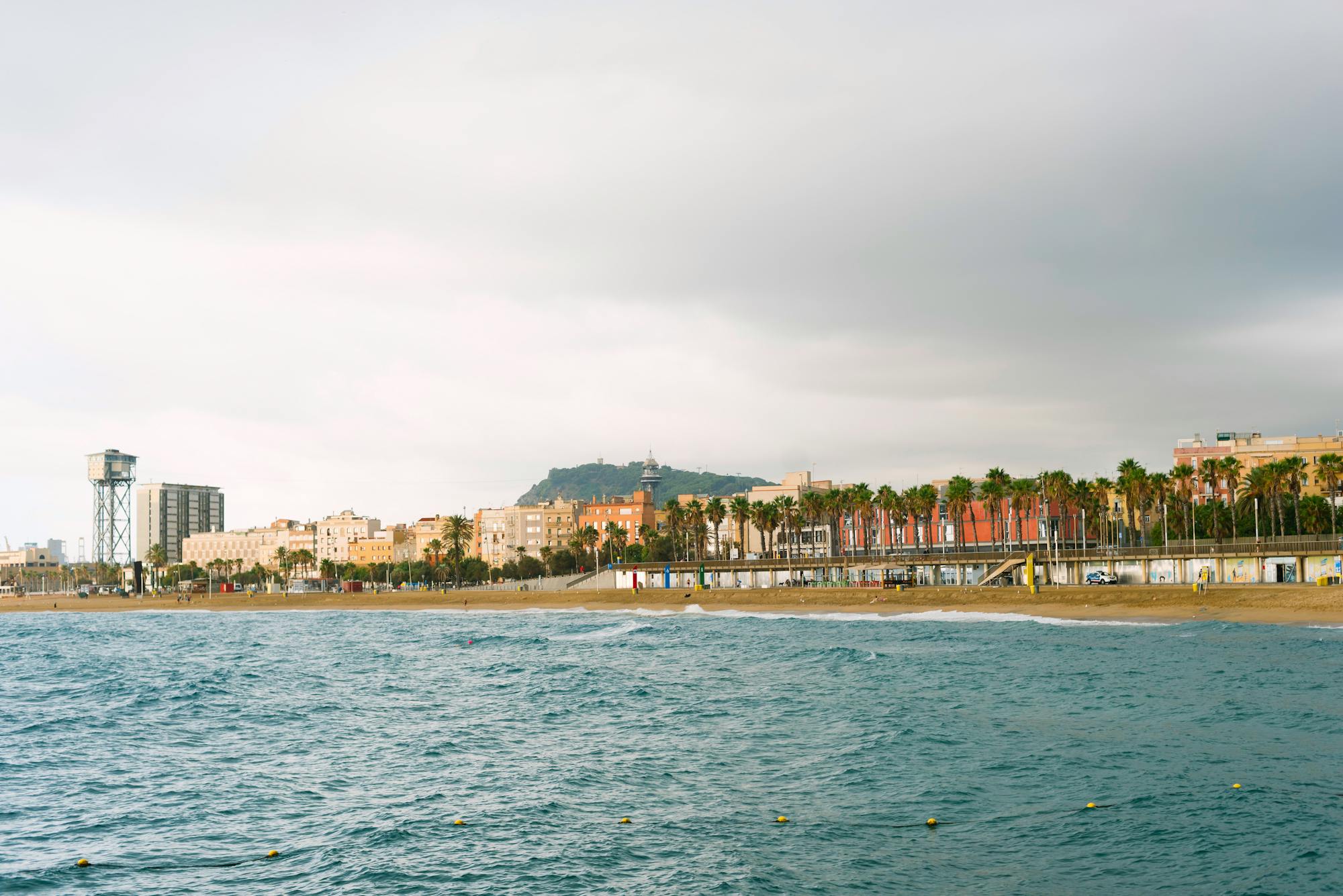
Barcelona enjoys one of the best climates of any major European city — warm, sunny, and Mediterranean year-round. The best overall months are May, June, September, and October — warm enough for the beach, not overwhelmingly hot, and with manageable crowds outside the July–August peak. The sea itself is comfortably swimmable from June to early October, warming from around 21°C in June to a peak of 25–26°C in August before easing back to roughly 21°C by mid-October.
Best Time to Visit Barcelona: Spring (March–May)
Spring is one of Barcelona's most rewarding seasons, with temperatures climbing from a cool 14°C in March to a mild 22°C by late May. This spring period is also an especially good time to visit if you want pleasant weather for walking and sightseeing, with warm temperatures arriving by late May. Temperatures climb steadily from around 14°C in March to 22°C by late May, with average temperatures rising into a range that feels comfortable, mild temperatures through much of the season, and pleasant temperatures for long days outdoors. The city's parks and gardens — including Park Güell and Montjuïc — are in bloom. Sant Jordi's Day on 23 April is Barcelona's most romantic festival: the city's streets fill with book and rose stalls, couples exchange gifts, and La Rambla becomes a promenade of flowers — a genuinely magical experience. Festa Major de la Sagrada Familia runs for about 10 days in late April. The sea is still cool for swimming (17–18°C) but beach promenade walks are pleasant. Spring is a good time for museum visits, and the Sagrada Família and Park Güell see noticeably shorter queues, which helps you avoid long lines. Hotel prices are moderate but rising — book ahead for Easter week, which is busy. Semana Santa processions through the Gothic Quarter and Barri Gòtic in the days before Easter Sunday draw crowds of their own, so treat that week as a second mini-peak alongside the summer high season.
Summer in Barcelona (June–August): Peak Season
Summer is peak season and Barcelona at its most vibrant — and most demanding, as it also marks the start of beach season, and June brings Sant Joan celebrations that kick off summer crowds and beach nightlife. Temperatures average 28–30°C in July and August, with high humidity and summer heat that can make midday city exploration uncomfortable, especially during high season when some days verge on extreme heat. The sea warms to 24–25°C and the beaches are packed with locals and visitors alike. Barceloneta Beach is the busiest option for beach time, and early July brings reliable beach weather, waterfront views of the Barcelona skyline, but also bigger tourist crowds at popular attractions and major sights. The city stays alive until the early hours, with beach bars (chiringuitos) hosting live DJs and music until late, outdoor cinema at Montjuïc castle, and the legendary nightclub scene. Warm evenings also make outdoor dining especially popular throughout summer. Sónar Festival in mid-June and Primavera Sound in late May/early June are world-class music events that attract large international crowds. June, September, and the Christmas season are prime times for festivals in Barcelona. Mid-August brings the Festa Major de Gràcia, when residents spend weeks turning their streets into elaborate handmade displays for the neighbourhood's best-decorated-street competition, with free concerts and dancing until late. August also sees some local restaurants close as Barcelonans head to the coast; plan your restaurant list in advance. Hotel prices are at their highest and accommodation books out fast.
Autumn in Barcelona (September–November)
September is arguably the best time to visit Barcelona, especially from September to October. The summer crowds have thinned, temperatures remain a warm 24–26°C, the sea is still swimmable at 23°C, and the cultural calendar is at its richest. September, in early autumn, brings mild weather, fewer crowds, and a more relaxed pace for seeing popular attractions. Alongside La Mercè, the free BAM (Barcelona Acció Musical) festival fills squares and stages across the city with live music for four days, without the crush of peak summer. La Mercè Festival in late September is the city's biggest free street festival — one of the standout cultural events for experiencing Catalan traditions through human towers, fire-running, giant puppet parades, and free concerts across the entire city for four days, and autumn is also a strong season to experience local culture beyond the major sights. October brings softer light, fewer tourists, and the opening of the autumn cultural season in theatres and galleries, with occasional rain showers at times, though conditions stay mild compared with much of Europe. These shoulder seasons are an ideal time to visit for travelers who want pleasant weather without peak tourist season pressure. November turns cooler (14–17°C) with occasional rain, but is excellent for museum visits and restaurant reservations. Hotel prices drop noticeably from mid-September — some of the best value of the year.
Winter in Barcelona (December–February) and Holiday Markets
Barcelona's winters are mild by northern European standards, with daytime highs of 12–15°C that keep the city comfortable for walking. December brings festive lights along Passeig de Gràcia, and the Fira de Santa Llúcia Christmas market near the Cathedral — one of Europe's oldest — starts in late November, making early December especially appealing before peak holiday activity builds, with holiday markets and other Christmas markets adding to the atmosphere. Locals mark the season with Catalan traditions such as the Caga Tió log, kept indoors from early December, and the Cavalcada de Reis parade through the city centre on the evening of 5 January. The city is noticeably less crowded: museum queues disappear, indoor attractions are easier to enjoy, the Gothic Quarter has quieter streets, and there are fewer tourist crowds than in summer. January and February are the quietest and most affordable months for budget travelers, with lower flight and hotel prices after the holiday season. Rain is possible but rarely prolonged. Note that Mobile World Congress in late February causes a spike in hotel prices and a surge in business visitors — avoid that week or book very early.
Avoiding the Crowds and Finding Fewer Crowds
To visit Barcelona’s major attractions without the worst of the crowds, book the first entry slot of the day (9am) for Sagrada Família on a weekday — weekend mornings are significantly busier. Park Güell's Monumental Zone requires timed tickets booked online; the surrounding free park areas can still be enjoyed at any time, especially in spring when the city’s blooming parks shine and there are fewer crowds. For the beaches, head to Nova Icària or Bogatell in Poblenou rather than Barceloneta, the busiest stretch — they're better picks for a quieter beach day away from the popular attractions along the waterfront. The Gothic Quarter is best explored before 10am or after 7pm, when tour groups have cleared. Cruise-ship days compound the crowding: Barcelona's cruise terminal is among the busiest in Europe, and mornings when two or three ships are in port can visibly thicken the queues at Sagrada Família, Park Güell, and Las Ramblas — worth checking the Port of Barcelona's published ship-call calendar before settling on sightseeing days. For the most crowd-free experience overall, target the second half of September or the first half of October for mild weather and a relaxed pace — reliably the sweet spot of the Barcelona calendar.