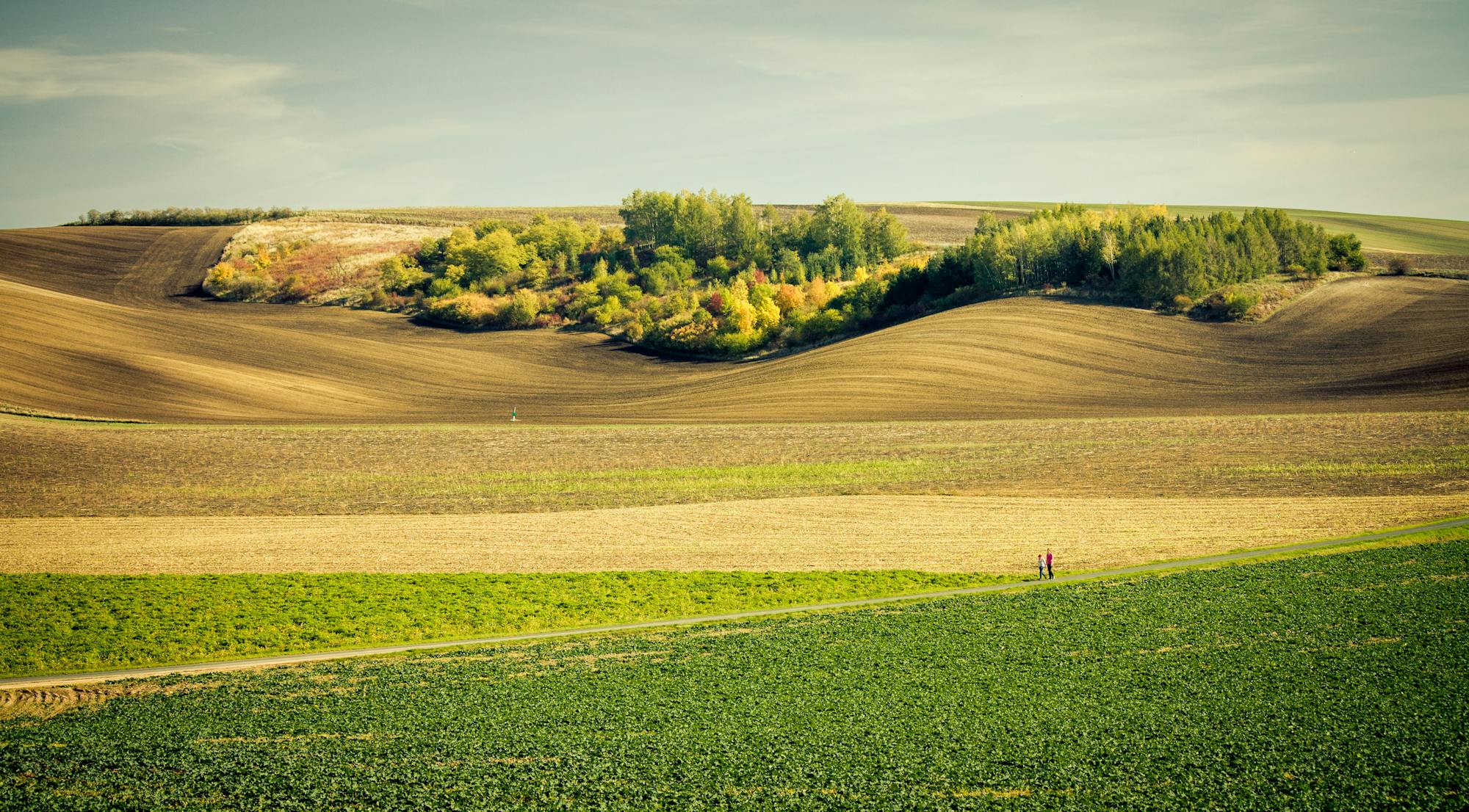
Brno enjoys a Central European continental climate with warm summers, cold winters, and distinct spring and autumn seasons. The best times to visit are May–June and September–October, when temperatures are pleasant, daylight hours are generous, and the city's outdoor café and wine-bar culture is in full swing. Summer is lively but can be hot, and autumn is especially beautiful in the Moravian countryside.
Brno enjoys a Central European continental climate with warm summers, cold winters, and distinct spring and autumn seasons. The best times to visit are May–June and September–October, when temperatures are pleasant, daylight hours are generous, and the city's outdoor café and wine-bar culture is in full swing. Summer (July–August) is lively but can be hot, and autumn is especially beautiful in the Moravian countryside. Winter brings cold temperatures and occasional snow, but also festive Christmas markets and a quieter, more authentic atmosphere. Brno's university calendar means the city is at its most energetic from October to June, with summer bringing a quieter but still enjoyable pace.
Best Time to Visit Brno: Spring (March–May)
Spring is one of the best seasons to visit Brno. March can still be chilly (average 8–12°C) with occasional rain, but April brings warmer days (12–18°C), blossoms in Lužánky Park, and the reopening of outdoor terraces. May is arguably the finest month: temperatures reach a comfortable 18–22°C, the surrounding Moravian vineyards are lush and green, and the city feels refreshed. The Brno Marathon typically runs in April, and several cultural festivals kick off from May onwards. Hotel rates in spring are moderate and rooms are generally easy to find outside trade-fair weekends.
Summer (June–August): Best Time to Visit
Summer is peak season for Brno tourism. June is excellent — warm (20–25°C), long days, outdoor concerts, and beer gardens full of locals, and sunny days make it easy to walk around the city center. July and August are the hottest months, with temperatures regularly reaching 28–32°C and occasionally exceeding 35°C during heat waves. The city empties somewhat as students leave, giving the centre a slightly different, quieter character. Many of Brno’s main sights and attractions are easy to explore on foot in the old core with its cobbled streets. This is the season for outdoor events: open-air cinema at Špilberk Castle, the Brno Open (tennis), and the Czech Grand Prix motorcycle race in August, which attracts huge crowds to the city and requires advance booking across all accommodation. If you visit in August, be prepared for heat and book well ahead.
Autumn (September–October) in the City Center
September is a superb month to visit, making Brno a standout destination for travelers interested in wine, culture, and history in the Moravia region. Temperatures cool pleasantly to 18–22°C, the summer crowds thin, and South Moravia enters harvest season — the vineyards around Valtice, Mikulov, and the Pálava Hills turn golden and the wine cellars begin pressing the new vintage, all of which also makes for a rewarding day trip from Brno. Burčák, a partially fermented young wine, appears in markets and wine bars from late August through October and is a uniquely Moravian seasonal treat. The Brno International Music Festival runs through September, and the city's cultural programme is at its richest. October sees temperatures drop to 10–15°C with more rain, but the autumn foliage in the Moravian countryside is stunning and hotel rates are low.
Winter (November–February) Travel Guide
Winter in Brno is cold and grey, with average temperatures between -2°C and 5°C and occasional snowfall in January and February. However, the city does not shut down. The Brno Christmas Market on Náměstí Svobody, or Freedom Square, and Zelný trh joins the city's Christmas markets that run through December and are among the best in Moravia — smaller and more local in character than the Prague or Vienna equivalents. Seasonal food, including glühwein (svařák), roasted chestnuts, traditional Moravian pastries, and local cuisine such as roast duck and goulash, makes it genuinely charming. Moravian Sparrow is another traditional pork dish to try in winter restaurants. January and February are the quietest and cheapest months, ideal for visitors who want great-value hotels, uncrowded museums, and the cosy atmosphere of Brno's wine bars, Starobrno beer, and jazz clubs without competing with trade-fair crowds.
Festivals and Events in Brno City
Brno's event calendar is surprisingly packed for a city of its size. Brno is also compact, so one to two days is usually enough to see the main attractions. Brno has trams, trolleybuses, and buses that run frequently from early morning until late evening, and cards are widely accepted. A single bus ticket costs 10 CZK ($0.40 USD), a 24-hour public transport pass costs 90 CZK ($4 USD), fares are paid in Czech koruna, and tickets can be purchased from vending machines. This lesser-known city in the Czech Republic in Eastern Europe appeals to tourists seeking Moravian culture, and it is easy to discover on foot from the main train station. The Brno International Music Festival (September–October) is one of the oldest classical music festivals in Central Europe, drawing world-class performers to historic venues including Villa Tugendhat, a UNESCO World Heritage Site. JazzFest Brno takes place in spring, while Ignis Brunensis, an international fireworks competition, lights up the Brno reservoir on successive Saturday nights in May–June and draws tens of thousands of spectators, making summer a lively time to stay out at night. The Masters of Rock festival in nearby Vizovice (July) is one of Central Europe's premier heavy metal events, and the journey takes about 90 minutes. The Christmas Market runs late November through Christmas Eve.
The cathedral of Saints Peter and Paul is a top stop for panoramic views and sweeping views over the city, with twin neo-Gothic spires that define the skyline; local lore says its bells connect to a ruse from the Thirty Years' War. Nearby, the Old town hall is the city's oldest building, and Prague, the capital, offers a grand contrast if you plan a wider Czech itinerary. The Brno ossuary contains bones of 50,000 plague victims and other war victims. Close by is the Capuchin Crypt, another atmospheric underground site. Špilberk Castle, built in the 13th century, is another major landmark, located above the center. Brno also has many museums, including the Moravian Museum, the Moravian Gallery, and the technical museum. For wine lovers, the Vinné trhy wine markets in the old town occur throughout spring and autumn, offering tastings from dozens of Moravian producers. On market days, Zelný trh—the Cabbage Market or Vegetable Market—is a good place to browse fresh produce and local specialties, and the Labyrinth under the Vegetable Market runs 1 km long; one of the best tips is to combine both in the same visit.