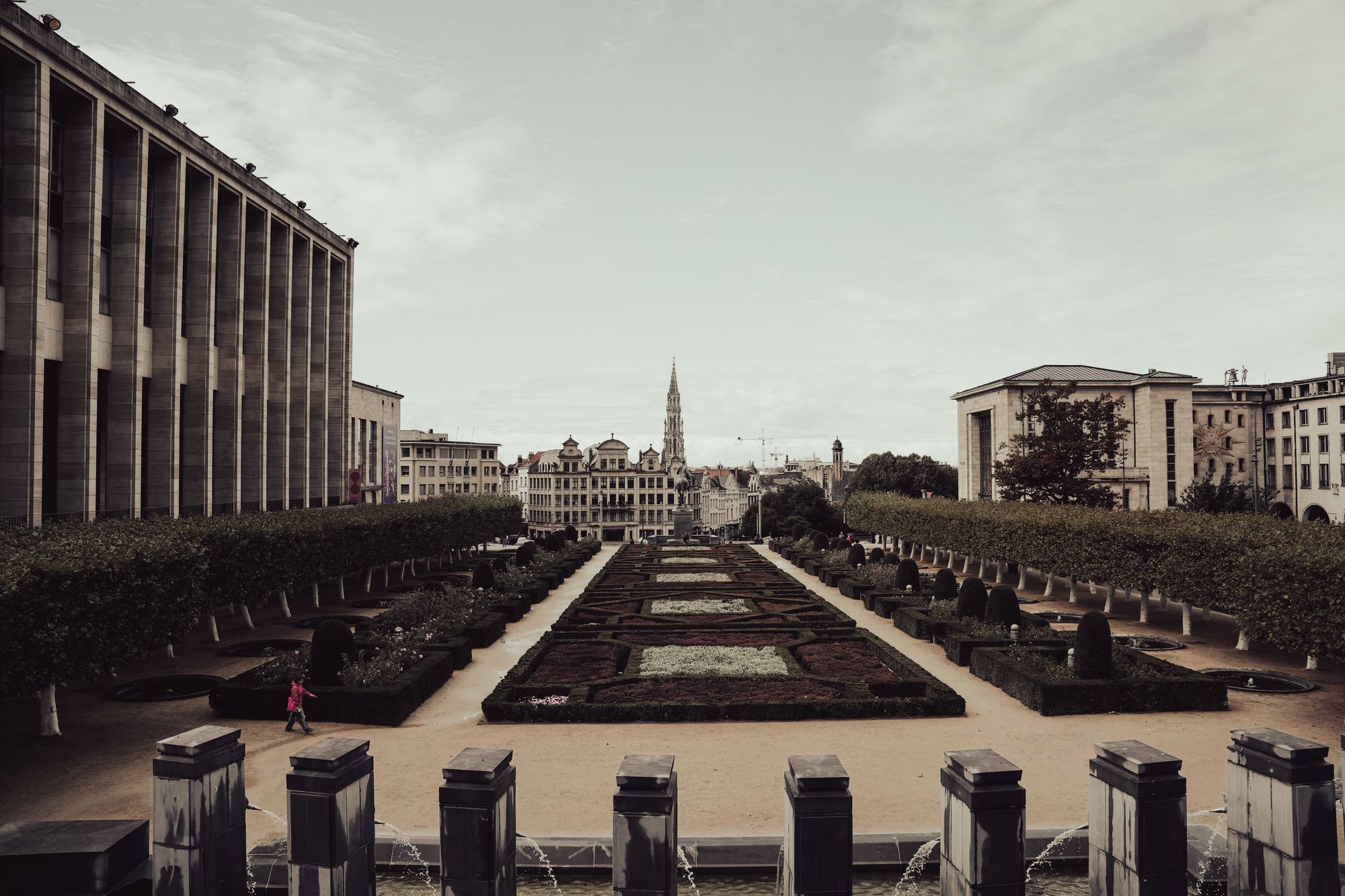
Brussels has a temperate maritime climate with no true bad season, but the city comes alive between May and September when café terraces fill, parks burst into colour, and the event calendar reaches its peak. The biennial Flower Carpet — when the entire Grand-Place is tiled with 600,000 begonias in geometric patterns for four days each August in even years — is one of Europe's most spectacular free events and worth planning a trip around.
- Best time to visit: May through September, when terraces fill and the event calendar peaks
Best Time to Visit Brussels
The best time to visit Brussels is generally in spring and early autumn, especially March to May and September to October, when the weather is mild, temperatures are comfortable, and there are fewer tourists around the city's top attractions. May is often a great time for warm days and lighter crowds, while March and late October or early November suit visitors who want easier travel, lower prices, and better room rates. Brussels gets rain on about 200 days each year, so expect wet conditions in any season.
Summer runs from June to August and is peak season, with the warmest temperatures at about 23°C and average highs near 73.4°F, plus more sun, occasional hot spells, some humidity, and the biggest crowds at major sights. If you come then, accept that more tourists fill the town during outdoor festivals. Winter lasts from December to February and is cold, with nights near 30°F and average lows around 35°F, but it is still a great time for Christmas markets and holiday season shopping.
April and May bring mild spring conditions that are ideal for garden visits, including Floralia with one million flowers in April and the Royal Greenhouses of Laeken opening for a few weeks. In early autumn, September usually offers the best chance of good weather, with temperatures around 60°F, crisp air, and foliage, while October keeps things comfortable with fewer visitors. Fall also brings seasonal foods and highlights Belgium's brewing traditions through food and cultural festivals.
For key events on the calendar, July stands out: Ommegang is a 16th-century celebration, Belgian National Day falls on July 21st with fireworks, and mussels season starts that month. In August, the Flower Carpet appears at Grand-Place every two years. From late November to early January, Brussels hosts Christmas markets, and Plaisirs d'Hiver is one of Belgium's largest. September also brings Belgian Beer Weekend and Heritage Days, when historical sites offer free access during the first week or another special week of programming depending on the year.