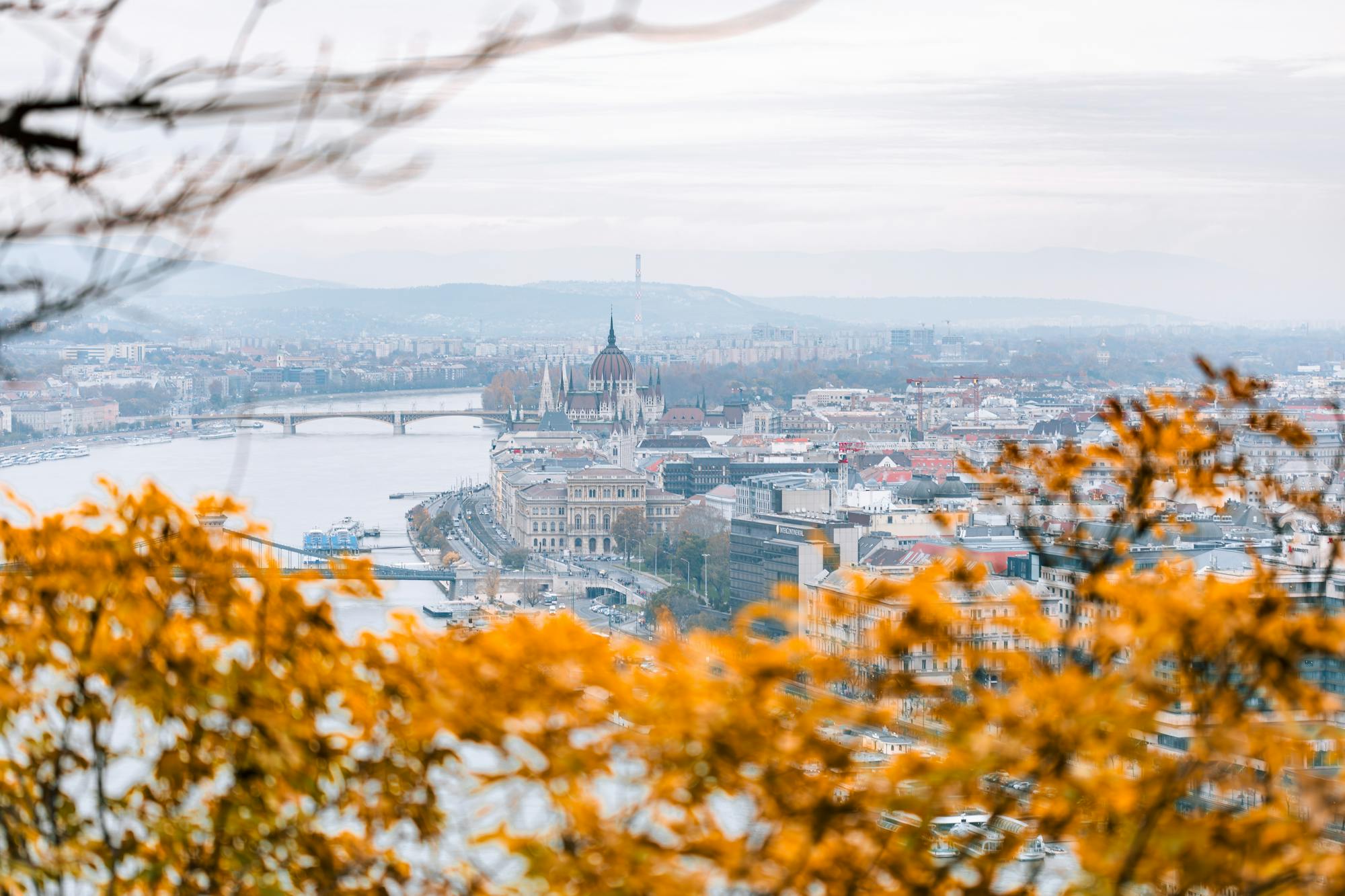
The best time to visit Budapest is April through June for warm days, blooming city parks, and manageable crowds, or September through October for excellent weather without summer's peak tourist numbers. The Sziget Music Festival in August makes summer especially vibrant.
Best Time to Visit Budapest
Content about best time to visit budapest
The best time to visit Budapest is the shoulder season, especially spring and autumn. For most travelers, March to May and September to November are the ideal months, with pleasant weather for sightseeing usually falling from April to May and September to October. These periods are also best if you want fewer tourists and a more relaxed feel around the city.
Budapest, in Hungary, has a continental climate, so weather changes noticeably by season and shapes both outdoor plans and major events. In spring, the average temperature ranges from 44°F to 61°F (7°C to 16°C), while July can be hot with average temperatures reaching 83°F (28°C), and July and August are the hottest months at about 25°C. In winter, temperatures average 26°F to 41°F (-3°C to 3°C), and January is the coldest month with an average temperature dropping to -3°C.
Spring: March to May
Budapest's spring is one of the best times to go if you want milder weather, easier sightseeing, and more time outdoors before peak season starts. In March, expect cooler days, some rain, and a gradual return of outdoor life along the Danube and in central districts. Spring is also a good season for walking, joining walking tours, and relaxing in thermal baths when the air is still cool.
April is especially good for seeing outdoor sights, including parks, river views, Margaret Island, and the Buda Hills. The Budapest Spring Festival adds major cultural events to the calendar, with classical music, dance, and contemporary arts across the city. By May, warm weather becomes more reliable, and from May to September you can generally count on the best period for sunshine and festivals.
May also brings Budapest Beer Week, which draws beer lovers with 60 breweries and a lively local scene. This is a pleasant time for a holiday if you want active days without the heavier summer rush.
Summer: June to August
Summer brings long, sunny days, open-air programs, and a vibrant atmosphere as the city comes fully alive. The summer months are best for river cruises, evenings by the Danube, and outdoor areas that feel in full swing late into the night. This is also when many festivals give Budapest its busiest and most energetic season.
June usually marks the start of the main rush, and the Night of the Museums is a highlight for culture-focused travelers. In July, Budapest Pride takes place in the first week, with the main parade on the first weekend of July, alongside other major summer cultural activities. July is also when many visitors arrive for peak-season travel, and the streets, baths, and major landmarks feel noticeably busier.
August is Budapest's busiest month, and the Sziget Festival in mid-August is one of the biggest draws. During the hottest part of the year, summer holidays bring even more crowds, so visitors should expect crowds at top attractions and book hotels early. If you plan a summer stay, air conditioning is a useful amenity because hot afternoons can make mid-day exploring less comfortable.
Autumn: September to November
Autumn is another excellent time to visit, and September is a classic shoulder season month with warm weather, fewer crowds, and a busy cultural calendar. September also hosts the Budapest Wine Festival in the Castle District, making it a strong choice for food, wine, and outdoor evenings. For many travelers, fall offers the right balance between comfort and activity.
October is one of the best months if you want beautiful colors, comfortable temperatures, and easier sightseeing on foot. It remains a good time for thermal baths, walks by the river, and a range of indoor and outdoor experiences before late-year chill sets in.
November is quieter and one of the least crowded months, so it suits travelers who prefer a calmer trip. Around saints day on November 1st, locals honor loved ones with traditional observances, and by late in the month Budapest's famous Christmas markets begin to open. This shift makes November a smart option if you want lower visitor pressure but an early festive atmosphere.
Winter: December to February
Winter is cold, but it transforms Budapest into a festive destination with a magical atmosphere. December is best for Christmas, when Christmas markets, lights, seasonal treats, and a strong sense of holiday charm take over the center. It is the best season for sipping mulled wine, trying roasted chestnuts, and spending more time in indoor museums or at the opera.
January is the coldest month and also one of the least crowded, which can appeal to travelers looking for lower prices and quieter streets. Many tourists skip this period, but it can still work well for indoor culture, spa time, and off-season deals.
February stays relatively quiet too, and the Mangalica festival in mid-February is a notable winter food event that often features local specialties and street food. The winter months are best if you do not mind cold conditions and want seasonal atmosphere over long outdoor days.
Planning tips
Plan your trip around the season, typical weather, and the main festival dates that matter most to you. I recommend visiting in spring or fall for balanced conditions, choosing summer for major festivals and outdoor energy, or winter for festive markets and lower crowds. The best choice depends on whether you care most about sightseeing, cultural programs, or a quieter stay with fewer visitors.