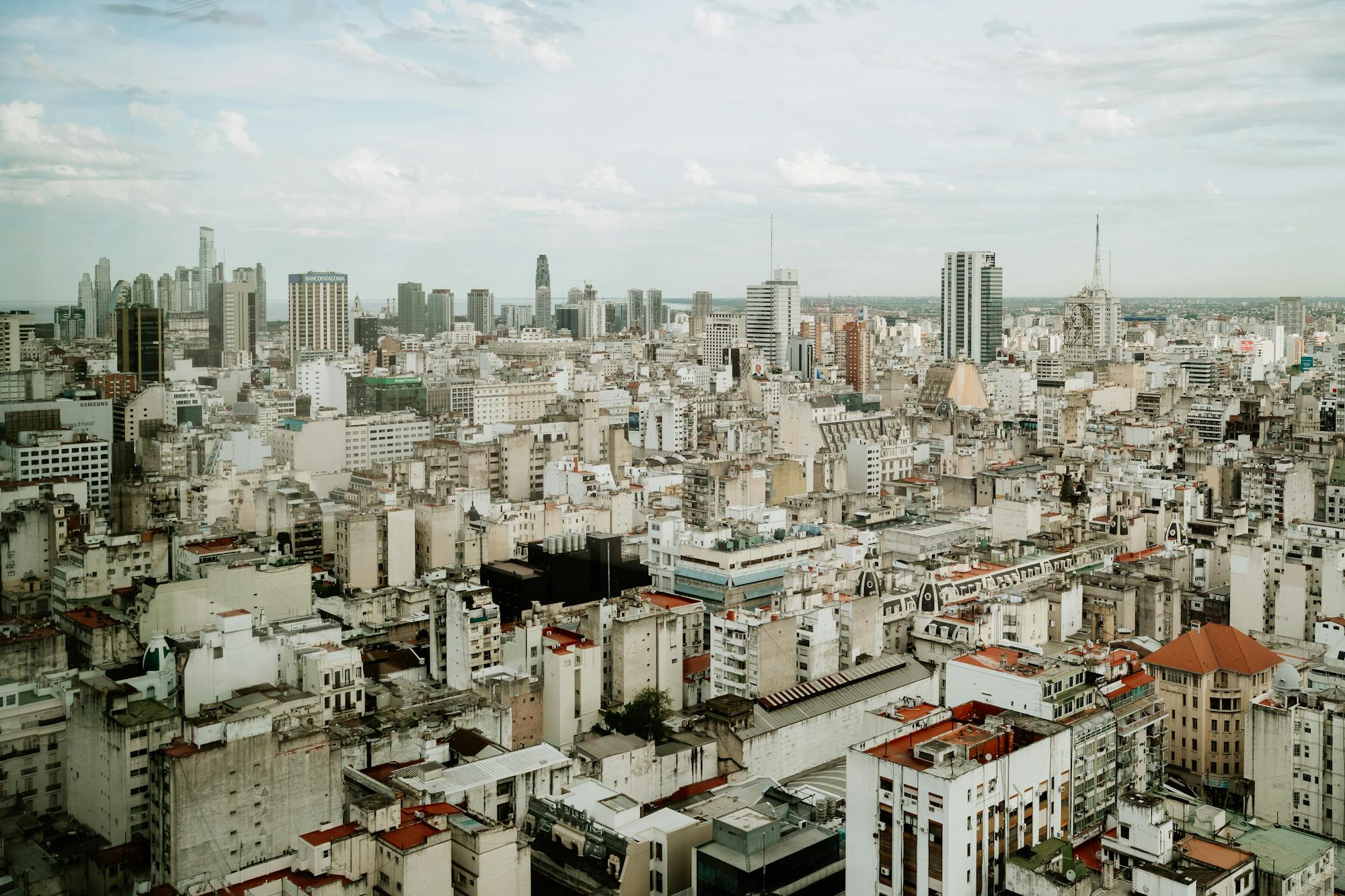
Buenos Aires enjoys a temperate climate with four distinct seasons, making it a year-round destination — but some times are decidedly better than others.
Best Time to Visit Buenos Aires: Seasons and Weather Guide
Buenos Aires, Argentina's capital, enjoys a temperate climate with four distinct seasons and is easy to visit year round, though some periods are more comfortable than others. For most travelers, spring (September to November) is the best time to visit, when jacaranda trees line the boulevards with violet blossoms and outdoor life reaches its peak, while autumn (March to May) is another excellent time to visit. The intense summer heat of January and February and the cool, damp winter of June and July are worth considering when planning your trip, though both have their own appeal.
Peak Season: September to November (Spring)
Buenos Aires spring is simply magnificent. With mild temperatures and moderate temperatures that suit sightseeing, temperatures hover between 18–25°C, the city's famous jacaranda trees explode into purple bloom along the avenues of Palermo and Recoleta, outdoor cafés spill onto pavements, and the city has an energetic, celebratory quality. This is the ideal time for outdoor activities: cycling through the parks of Palermo, exploring the Costanera Norte riverfront, and dining al fresco until midnight. A light jacket is useful on spring mornings and evenings.
In late spring, October and November are particularly special, with pleasant weather, warm days that are not yet brutally hot, hotel prices still more reasonable than in the high season with its peak season prices, and a full cultural calendar. The Buenos Aires Book Fair in April–May and Design Week in October draw creative visitors. Spring is the best time for first-time visitors who want the quintessential Buenos Aires experience and the ideal season for an easy first trip.
Second Best: March to May (Autumn)
Buenos Aires autumn is the city's other outstanding season, with pleasant temperatures and generally pleasant conditions for walking, outdoor dining, and lingering under streets lined with fallen plane tree leaves. March and April have temperatures of 20–25°C before dropping to a pleasant 15–20°C in May. Occasional rainy days also make the city's cafés, bars, and museums especially appealing. The city's restaurant scene is at its most vibrant in autumn, and major cultural events include the Buenos Aires Tango Festival (which sometimes extends into August) and the city's best theatre season.
Many experienced travelers actually prefer autumn over spring, and for many it is another best time to visit Buenos Aires — it has a more melancholy, romantic quality that suits the city's soulful character perfectly. The Río de la Plata sunsets turn spectacular shades of gold and copper in April and May. Accommodation prices remain moderate in early autumn, with lower hotel occupancy and fewer tourists later in the season before dropping further in winter.
Summer: December to February (Hot)
Buenos Aires summer (December–February), the summer months, is hot and humid — temperatures regularly exceed 32°C and can reach 38°C in January and February. Many porteños escape to coastal resorts (Mar del Plata, Pinamar) during this period, giving the city a somewhat emptier feel. For travelers, the heat can be oppressive for extended outdoor sightseeing. January is the quietest month in the city, especially after the holiday season.
That said, summer has genuine appeal: the city remains vibrant with outdoor events, nightlife continues until dawn, and while December is peak tourist season, January or late February can offer some of the year's best hotel deals as business travel drops. Christmas and New Year are festive and part of the high season — the Río de la Plata hosts spectacular fireworks on December 31. Ensure your accommodation has reliable air conditioning.
Winter: June to August (Cool)
Buenos Aires winter (June–August) is mild compared to European or North American winters — expect temperatures of 8–15°C, with occasional frost but rarely below freezing, and by mid June the city has fully shifted into its cooler season. Rain is possible, and the city can feel grey and damp at times. However, this is also when Buenos Aires' indoor culture — its theatre, opera, restaurants, museums, and milongas — shines brightest.
The Buenos Aires Tango Festival and World Cup is held in August, bringing thousands of dancers from around the world and filling the city with free tango events, workshops, and milongas; late august is especially appealing for tango fans. If you're combining destinations, the winter months elsewhere in Argentina are better for ski season and winter sports. If tango is your primary reason for visiting, August is the best month of the year. Winter accommodation prices are also the most affordable, as this is the low season and a smart time for budget conscious travelers, with hotel rates 20–35% lower than spring peak.
Weather Overview
Use these seasonal highlights and practical tips to plan your Buenos Aires stay and the wider time to visit Argentina:
September–November (Spring): 14°C to 24°C (57°F to 75°F). Comfortable weather, warmer temperatures, and jacaranda season make it ideal for first-timers.
December–February (Summer): 25–38°C. Hot and humid. Quieter, cheaper, but hot.
March–May (Autumn): 15–25°C. Generally pleasant conditions, with beautiful scenery, a relaxed pace, and an excellent food and culture season; average temperatures are around 22°C (72°F).
June–August (Winter): 7°C to 16°C (45°F to 61°F). Cool and damp, but great for indoor culture and tango; snowfall is exceptionally rare.
Rainfall: Fairly evenly distributed year-round, with slightly more rain in autumn. Bring a light rain jacket regardless of season.
Trip ideas: If you're combining the city with more of the country, consider wine country in central Argentina, northern Argentina for subtropical landscapes, or Patagonia depending on the season.
If you're visiting from the northern hemisphere, remember the seasons are reversed.
Key Events and Festivals
Buenos Aires Tango Festival and World Cup (August): The world's premier tango event. Two weeks of free milongas, workshops, shows, tango competitions, and the world championship. Essential for tango lovers, and a good snapshot of the city's wider live-event scene beyond rock concerts.
Buenos Aires Carnival (February): Murga street processions with elaborate costumes, drumming, and dancing fill the city's neighbourhoods. Less well-known than Rio's carnival but genuinely festive.
Semana del Arte (October): Art Week brings gallery openings, museum events, and cultural programming across the city.
Buenos Aires Food & Wine Festival (November): Celebrating the city's extraordinary culinary scene with restaurant events and tastings, while also offering a taste of local traditions and a little cultural immersion through food and drink; if you're pairing the city with Mendoza, it's an easy trip extension for a wine tour through Argentina's wine country.
New Year's Eve: Celebrated with enormous outdoor parties along the Costanera and Puerto Madero waterfront, with fireworks over the Río de la Plata.
The city has a packed calendar of cultural events across the year.
If you visit Argentina beyond the capital, seasonal add-ons can include the mendoza wine festival during harvest season and the grape harvest festival atmosphere in central regions.
Many travelers also visit Patagonia for outdoor adventures in the Lake District, Los Glaciares National Park, Tierra del Fuego, and Southern Patagonia, with horseback riding a classic option.
Broader south Argentina highlights include icy glaciers, while northern Patagonia is known for wildlife and Península Valdés for southern right whales.