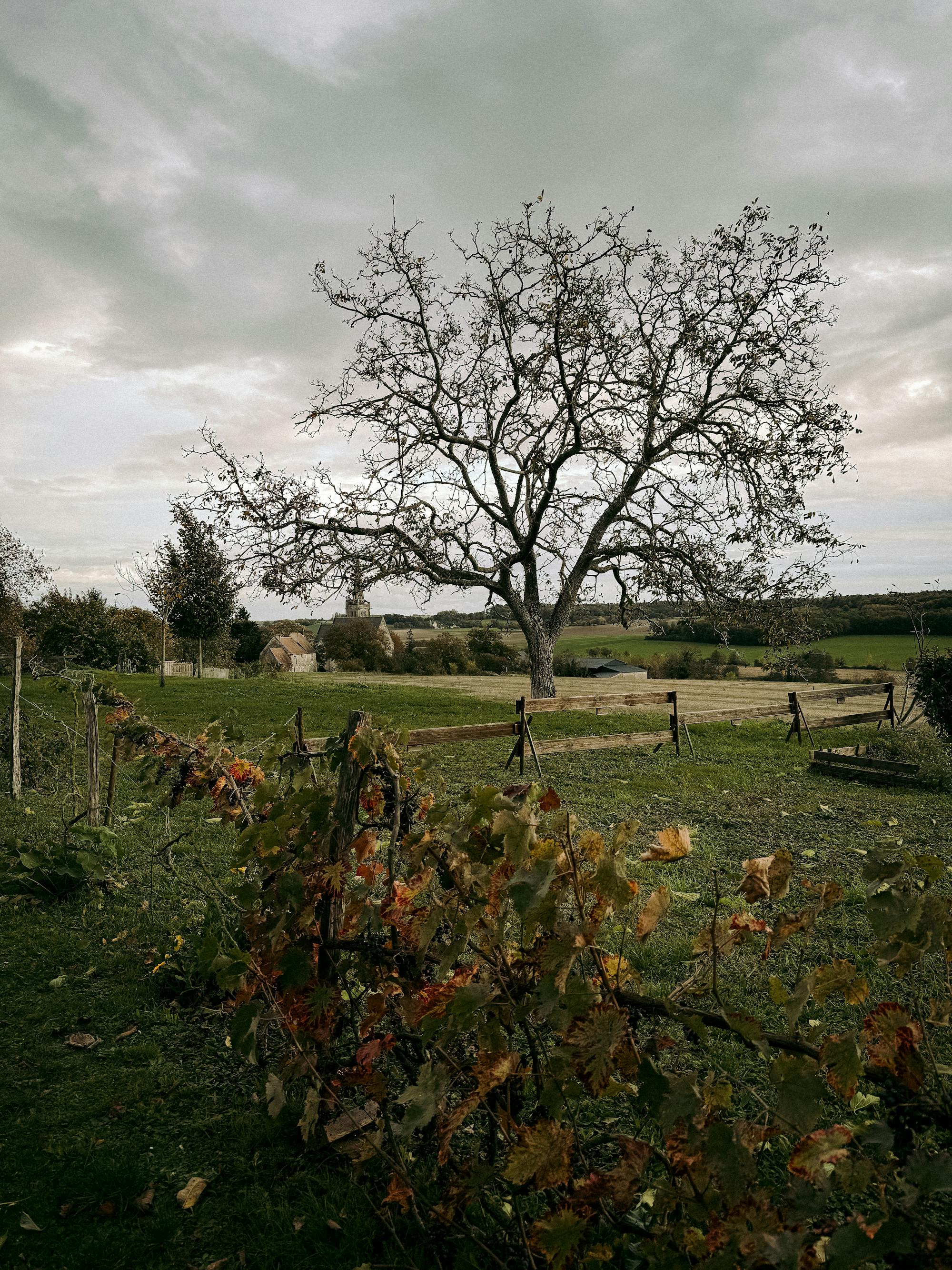
Burgundy is a year-round destination, but the most magical time to visit is autumn — particularly September and October — when the harvest is underway, vineyards blaze with colour, and the entire region is absorbed in the drama of the wine-making season. Spring (April–May) is a close second, with the vines bursting into leaf and the countryside at its greenest.
Burgundy rewards precise timing more than most French regions, because its calendar is built around the vine rather than the tourist season. The grape harvest — les vendanges — moves through the Côte d'Or from late August to early October depending on the vintage, while the region's showcase event, the Hospices de Beaune wine auction, falls on the third Sunday of November. Between these two poles sit a mild, flower-strewn spring and a warm, festival-filled summer, each with a fair claim on the title of best time to visit.
Best Time to Visit Burgundy: Spring (March–May)
Spring in Burgundy is a time of renewal and beauty. As temperatures rise from around 10°C in March to 18°C by May across the region, the vines begin their annual growth cycle — the sight of green shoots emerging from the famous Côte d'Or slopes is genuinely moving for wine lovers. Mustard flowers carpet fields between the rows of vines in a spectacular yellow display (most visible in April and early May). The countryside is lush and green, the canals shimmer in new light, and the tourist crowds have not yet arrived. Spring is an excellent time for cycling the Route des Grands Crus, or following the voie des vignes on foot or by bike beside the vines, and visiting the great Romanesque sites like Vézelay and Fontenay, both UNESCO World Heritage Sites, without the queues that build later in the year. Even-numbered years add a further reason to time a spring trip: Les Grands Jours de Bourgogne, the region's biennial open-cellar week held every March, when leading domaines across the Côte d'Or, Chablis and the Mâconnais pour barrel samples of the still-ageing vintage for trade and press. Dijon's 19th-century covered market, Les Halles, is at its most vibrant, stalls piled with local white asparagus, morels and the first spring vegetables.
Summer in Burgundy (June–August)
Summer is Burgundy's warmest and most visited season, with temperatures regularly reaching 25–30°C and marking the peak season for travel. In early summer, the warm weather is ideal for outdoor activities and wine tasting before the busiest weeks. The vineyards are in full leafy growth, creating a verdant landscape of extraordinary beauty. The Canal de Bourgogne becomes a hive of activity with holiday barges, kayakers, and cyclists. The region's open-air markets and village festivals are at their most lively. Beaune and Dijon welcome their largest numbers of visitors, and August is busiest of all — French families take their own summer holidays in this month, so restaurants, hotels and cellar-door tastings across Beaune and Dijon book out far in advance. The heat can be intense in July and August — the great wine cellars offer cool refuge, and most tastings are conducted in temperature-controlled caves. Pack sunscreen and reserve restaurants well in advance, as many restaurants and local bistros fill quickly in peak weeks. The Fête de la Musique on June 21st, the summer solstice, brings free outdoor concerts to every town and village and adds to the festive atmosphere across Burgundy.
Autumn (September–November) and the Grape Harvest
Autumn is Burgundy's defining season and, for many visitors, the best time to visit. The grape harvest (les vendanges) typically runs from early September to early-to-mid October, with the exact start date set commune by commune each year once the grapes reach optimum ripeness and can be an especially appealing time to visit Burgundy, with the Côte de Nuits and Côte de Beaune feeling especially atmospheric. Visitors plan cellar-door tastings around villages such as Nuits-Saint-Georges, Gevrey-Chambertin and Vosne-Romanée in the Côte de Nuits, and Meursault and Puligny-Montrachet in the Côte de Beaune, especially around the reds of the Côte de Nuits (Pinot Noir) and the whites of Chablis and the Côte de Beaune (Chardonnay). The vine leaves turn brilliant shades of red and gold in fall, as the Côte d'Or's vine rows — parcel by parcel, since Burgundy's climats were inscribed on UNESCO's World Heritage list in 2015 — turn from green to russet within a matter of weeks. The Beaune Hospices Wine Auction in the third week of November is the world's most famous wine charity auction, drawing international buyers and creating a festive atmosphere throughout the city for the entire weekend, with Beaune widely seen as Burgundy's wine capital in autumn. Temperatures drop from around 17°C in September to 7°C in November, but the clarity of the autumn light is exceptional for photography.
Winter in Burgundy (December–February)
Burgundy is still worth a visit year round, and winter shows a quieter side of the region. It is cold (temperatures 2–8°C), occasionally frosty, and very quiet outside of the November auction weekend. The vineyards look skeletal and beautiful against grey skies, and the wine villages have an almost otherworldly calm and quiet charm. This is the time when winemakers have space to talk — visits to domaines in winter often include cellar tastings and a glimpse of ongoing vineyard work, making the season especially rewarding. Dijon’s Christmas markets in early December are among the region’s best, with mulled wine, local specialities, and comforting dishes like boeuf bourguignon. Some restaurants close in the low season, so planning ahead still matters. Budget travellers will find the lowest hotel prices of the year from January to March.
Wine Tasting and Events Calendar
Hospices de Beaune Wine Auction (third weekend of November): The world's most famous wine charity auction at the Hospices de Beaune's Hôtel-Dieu, founded by Nicolas Rolin and Guigone de Salins, preceded by a weekend of tastings, dinners, and celebrations throughout Beaune's medieval centre — book accommodation at least six months ahead, as the town's hotels sell out for auction weekend. Fête de la Musique (June 21st): Free outdoor concerts in every town, from jazz to classical. Les Grands Jours de Bourgogne (March, even years): Burgundy's grand biennial open-door event where top domaines open their cellars to trade and public tastings. Harvest Festivals (October): Various village celebrations marking the completion of the grape harvest, with regional food markets, wine tastings, and other local wine festivals. Saint-Vincent Tournante (late January): A festive rotating celebration honoring the patron saint of winemakers, with tastings, parades, and village entertainment.