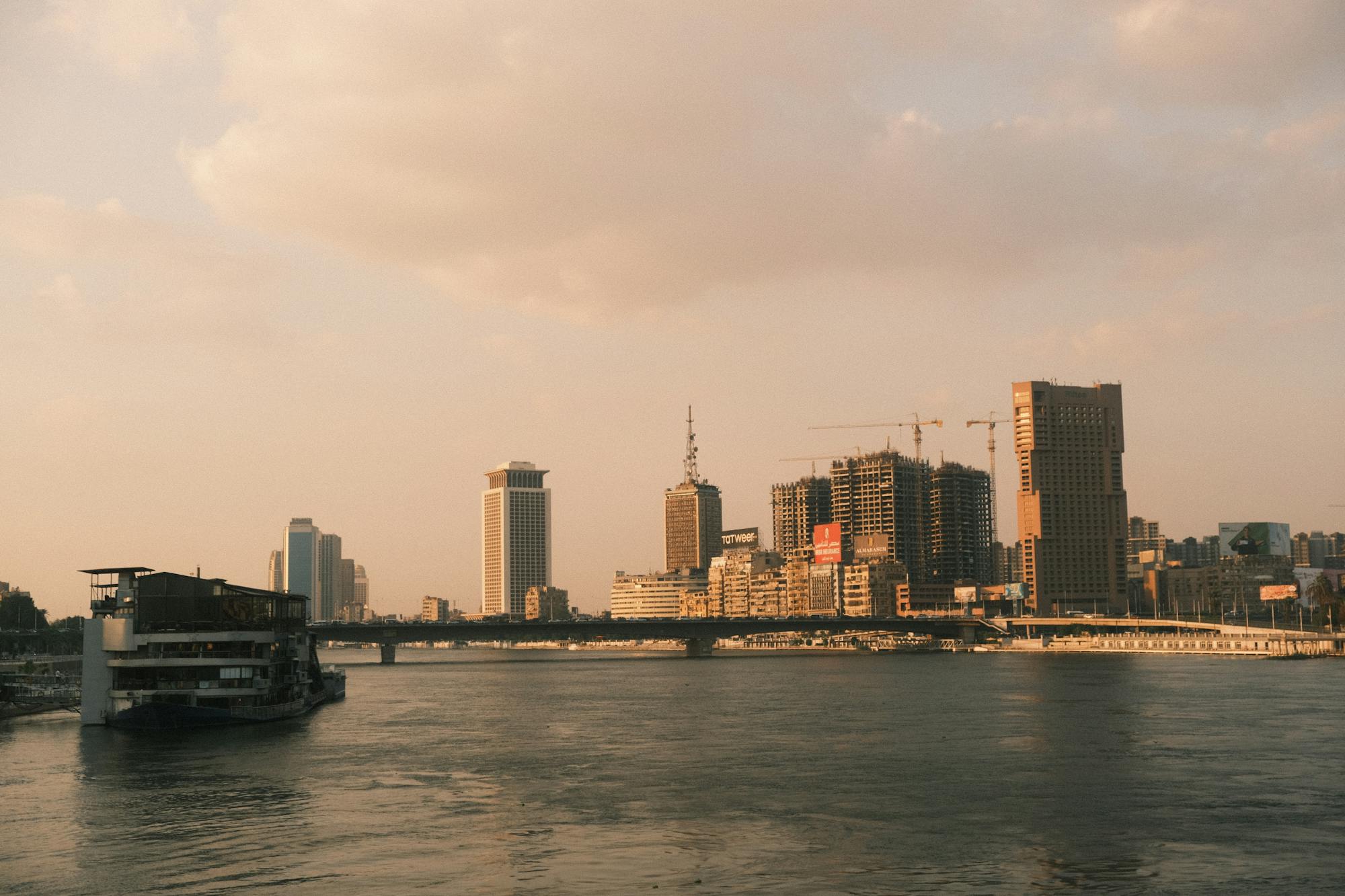
Cairo's climate is desert-influenced — hot, dry summers and mild winters, with almost no rainfall year-round. The best time to visit is October to April, particularly November through March when daytime temperatures settle at a comfortable 18–25°C, perfect for long days at the pyramids, Islamic Cairo, and the museums.
Cairo's climate is desert-influenced — hot, dry summers and mild winters, with almost no rainfall year-round. The best time to visit is October to April, particularly November through March when daytime temperatures settle at a comfortable 18–25°C, perfect for long days at the pyramids, Islamic Cairo, and the museums.
Best Time to Visit Cairo: Best Season November to February
November through February is the best time to visit Cairo and broadly the best time to visit Egypt for mild sightseeing weather. Average daytime temperatures and daytime highs of 18–23°C are ideal for walking the extensive outdoor Giza complex, exploring the packed alleyways of the Khan el-Khalili market, and spending hours in the Egyptian Museum or the new Grand Egyptian Museum (GEM); these winter months bring cooler temperatures and pleasant weather for outdoor sightseeing. Evenings are cool and occasionally cold (December and January nights can reach 7–10°C) — bring a layer and a warm jacket for evening outings. The pyramids at sunrise in January, with frost-tinged air and low golden light, are genuinely spectacular, though this is peak season and the peak tourist season, with winter crowds, higher hotel prices, and busier attractions.
Shoulder Season: October and March–April (Best Time to Visit)
October is an excellent choice — temperatures are retreating from summer heat (25–30°C), with fewer tourists and fewer crowds than winter, and evenings usher in refreshing breezes that create comfortable weather and comfortable temperatures for walking through Old Cairo; the light quality for photography of the pyramids and Islamic architecture is exceptional. March is similarly good — early March is a particularly strong window, warm (20–28°C) and not yet hot, with lighter tourist crowds than winter while the city remains active with both international visitors and Egyptian domestic tourism. April begins to bring warm weather and can reach 33°C by late in the month, so early mornings are the best strategy before hot afternoons set in, with afternoon museum breaks still helping.
Summer: May to September (Challenge, Average Daytime Temperatures)
Cairo in the summer season and summer months is hot and hazy. June through August brings scorching heat, with temperatures of 35–40°C and intense heat during the hottest months, plus significant smog from the city's traffic and industry — not ideal for the pyramid plateau or outdoor Islamic Cairo exploration. The Egyptian Museum and GEM have air conditioning and comfortable interiors; outdoor sites are best tackled in early mornings, ideally at 6–9am before hot afternoons. For outdoor sightseeing, wear breathable clothing. Khamsin dust storms can occur March through May, sometimes coating the pyramids in an orange haze — dramatic in photographs but uncomfortable on the ground.
Key Events: Cairo International Film Festival
The Cairo International Film Festival (November) is one of the world's oldest film festivals and draws significant visitors. Ramadan, whose dates change yearly based on the lunar calendar, transforms Cairo's atmosphere profoundly — the streets are quiet during the day, while iftar meals at sunset become a significant cultural experience, with street food vendors, lanterns, music, and tens of thousands of families eating together in public spaces. It is one of Cairo's most significant events and one of Egypt's significant events, as Egypt is a predominantly Islamic country. Experiencing Cairo during Ramadan is genuinely unique for anyone interested in local culture, but requires awareness that many restaurants may have reduced opening hours and tourist services may be reduced. Eid al-Fitr is a major festival marking the end of Ramadan and brings citywide festivities. Eid al-Fitr celebrates the end of Ramadan with festivities that give the city an especially lively feel. Factor these changes into your travel plans.
Sham El Nessim on Easter Monday, with roots among ancient Egyptians, is another seasonal celebration traditionally associated with salted fish. The Abu Simbel Sun Festival takes place on February 22 and October 22 and is another notable Egypt-wide timing consideration tied to ancient heritage.
Coptic Christmas (January 7) is a significant celebration with midnight masses at the Hanging Church and other Coptic churches; when visiting religious sites, dress modestly and remove shoes where required.
Practical Notes for Visiting Ancient Sites
Cairo, Egypt's capital city, has no meaningful wet season — annual rainfall averages just 25mm, mainly in December and January. The city's infamous traffic means that timing matters enormously: visiting the pyramids before 8am or after 3pm avoids the worst coach congestion, gives you easier access to ancient sites and other historic sites, and lets you spend time outdoors when conditions are more manageable. If you visit Cairo mainly for outdoor monuments, this is the key practical consideration. The GEM's scale (480,000m²) requires a full day minimum. Book the Giza Sound and Light Show for a very different evening perspective on the monuments. Cairo planning is often paired with wider Egypt trips, especially in winter, so book flights and hotels at least 2 months in advance. Cairo planning is often paired with wider Egypt trips, especially the Nile River, the Mediterranean coast, or a Red Sea coast extension such as Sharm El-Sheikh for crystal-clear waters, often combined with the Sinai Peninsula; in coastal cities, pack swimwear for resorts but dress modestly away from the beach, and winter visits still make the busy streets of markets like Khan el-Khalili more manageable than peak periods.