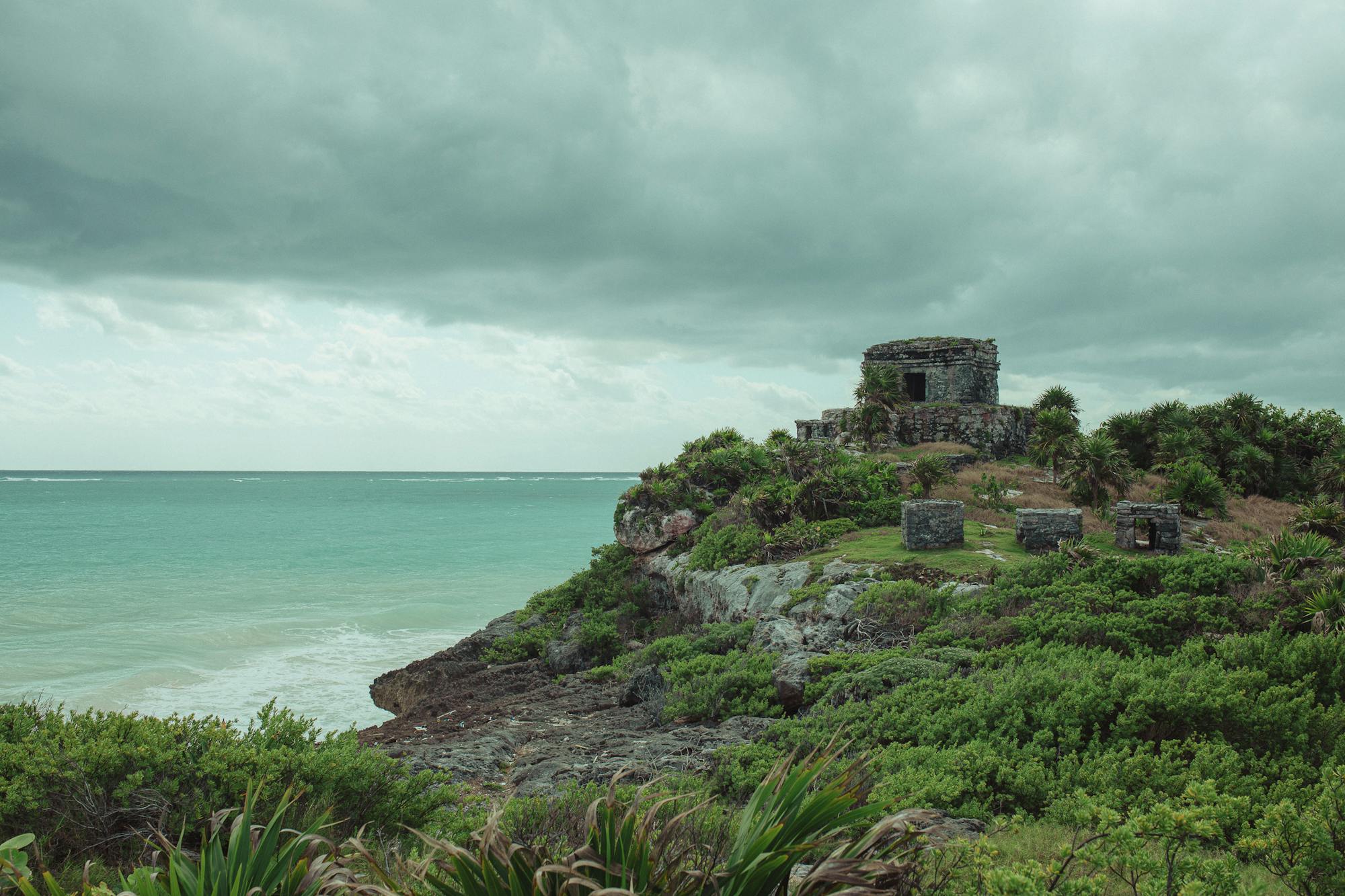
Cancún's tropical Caribbean climate means warm weather year-round, but the timing of your visit significantly affects what you experience — from perfect beach conditions and clear underwater visibility to the risk of tropical storms and the intensity of Spring Break. Understanding Cancún's seasonal patterns, major events, and the natural wonders available only at specific times of year will help you plan the most rewarding Caribbean visit possible.
Peak Season (December–April)
The dry season is widely considered the best time to visit Cancún for travelers prioritizing sunshine and beaches. December through April brings pleasant weather, sunny days, and the most comfortable temperatures (24–30°C / 75–86°F) within Cancun’s tropical climate. The Caribbean Sea is calm and crystal-clear, making snorkeling, diving, and water sports at their absolute best. It's the season when Playa Delfines, Playa Tortugas and the calmer shallows of Isla Mujeres's Playa Norte are at their best for swimming and sunbathing. Christmas and New Year are the busiest and most expensive period — book 3–4 months in advance. Spring Break (ramping up in mid-March and staying strong into early April) draws tens of thousands of North American college students — an extraordinarily lively but very party-focused atmosphere. Semana Santa (Holy Week before Easter) is another surge period driven by Mexican domestic tourism. Despite the crowds, this window carries the year's highest resort and villa rates, and tables at sought-after Hotel Zone restaurants are best reserved well ahead.
Shoulder Season (May–June and November)
Shoulder months deliver near-peak weather at a discount — May and June average around 31–33°C with mostly brief afternoon showers, and the Hotel Zone's beaches are noticeably quieter than in winter. May and early June in late spring see the transition to the wet season — some afternoon showers but still sunny mornings, warm sea temperatures, and conditions that still support outdoor activities. This is when whale shark season begins (June–September) in waters around Isla Mujeres and Isla Holbox — snorkeling with the world's largest fish is one of the most extraordinary wildlife experiences in the Americas. The same period also appeals to travelers who want warm waters and the chance to see these magnificent creatures responsibly. Early November marks the end of hurricane season and beginning of the dry season — an excellent value window for budget-conscious travelers, with improving weather, warm seas still carrying summer heat, and a lush green landscape, while late November usually trends drier but can still feel transitional. It’s also a smart time to explore the nearby Riviera Maya for ancient ruins and major archaeological sites such as Chichen Itza when crowds are lighter.
Low Season and Hurricane Season (July–October)
The rainy season and the fall months of July through October align with Cancún's low season, while the peak of Atlantic hurricane season falls from August to October. The Atlantic hurricane season runs officially from 1 June to 30 November, with activity peaking between mid-August and October; hotels maintain established storm protocols, though disruptions to flights and excursions remain possible. However, prices drop substantially (sometimes 40–50% for all-inclusives), crowds thin considerably, and you’ll often find shorter lines at attractions, while the whale shark season runs through September offering extraordinary wildlife encounters. Summer also overlaps with sea turtle nesting season across the wider Riviera Maya. The coral reef is vibrant in summer with excellent visibility on calm days. Traveling in low season requires flexibility and comprehensive travel insurance, including coverage for trip cancellations during hurricane-prone periods.
Weather Overview
Cancún's climate follows a classic tropical wet-dry pattern, with November to April dry and warm and May to October hot, humid and prone to sudden storms. The best time to visit Cancun depends on preferred weather conditions, crowds, and activities. Dry season (November–April): 24–30°C (75–86°F), minimal rain, low humidity, steady trade winds; the winter months usually bring the most reliably good weather for sightseeing and beaches. Wet season (May–October): 28–35°C (82–95°F), high humidity, frequent afternoon thunderstorms, and hurricane risk June through November, Cancún's dry season in fact extends through April. Sea temperature stays 25–30°C (77–86°F) year-round, making any time to visit appealing for swimming and other outdoor activities. UV radiation is intense at this Caribbean latitude — sun protection is essential every day. The Sargassum seaweed phenomenon affects many Yucatán beaches April to August, washing ashore most heavily on open, east-facing Hotel Zone beaches such as Playa Delfines and Playa Chac Mool, though Playa Norte on Isla Mujeres is often less affected.
Key Events
Use this calendar for planning your Cancun trip so your travel dates match your priorities, whether that means nightlife, wildlife, culture, or better value.
December–January: Christmas and New Year peak — highest prices, festive atmosphere
February–March: Spring Break — extremely lively Hotel Zone party atmosphere
March/April: Semana Santa — Mexican domestic tourism surge at beaches, and nightlife-focused visitors often target mid-March through early April
June–September: Season for whale sharks around Isla Mujeres and Isla Holbox, making summer a standout time for memorable wildlife encounters
August–October: Peak hurricane season — the year's lowest prices, but afternoon downpours are frequent; inland day trips to the cenotes near Valladolid keep an itinerary weather-resilient
October 31–November 2: Día de los Muertos — celebrated in nearby Valladolid and Mérida, adding cultural depth and lasting memories to a trip
November: Quiet season begins — early November can be an excellent value period with improving dry weather