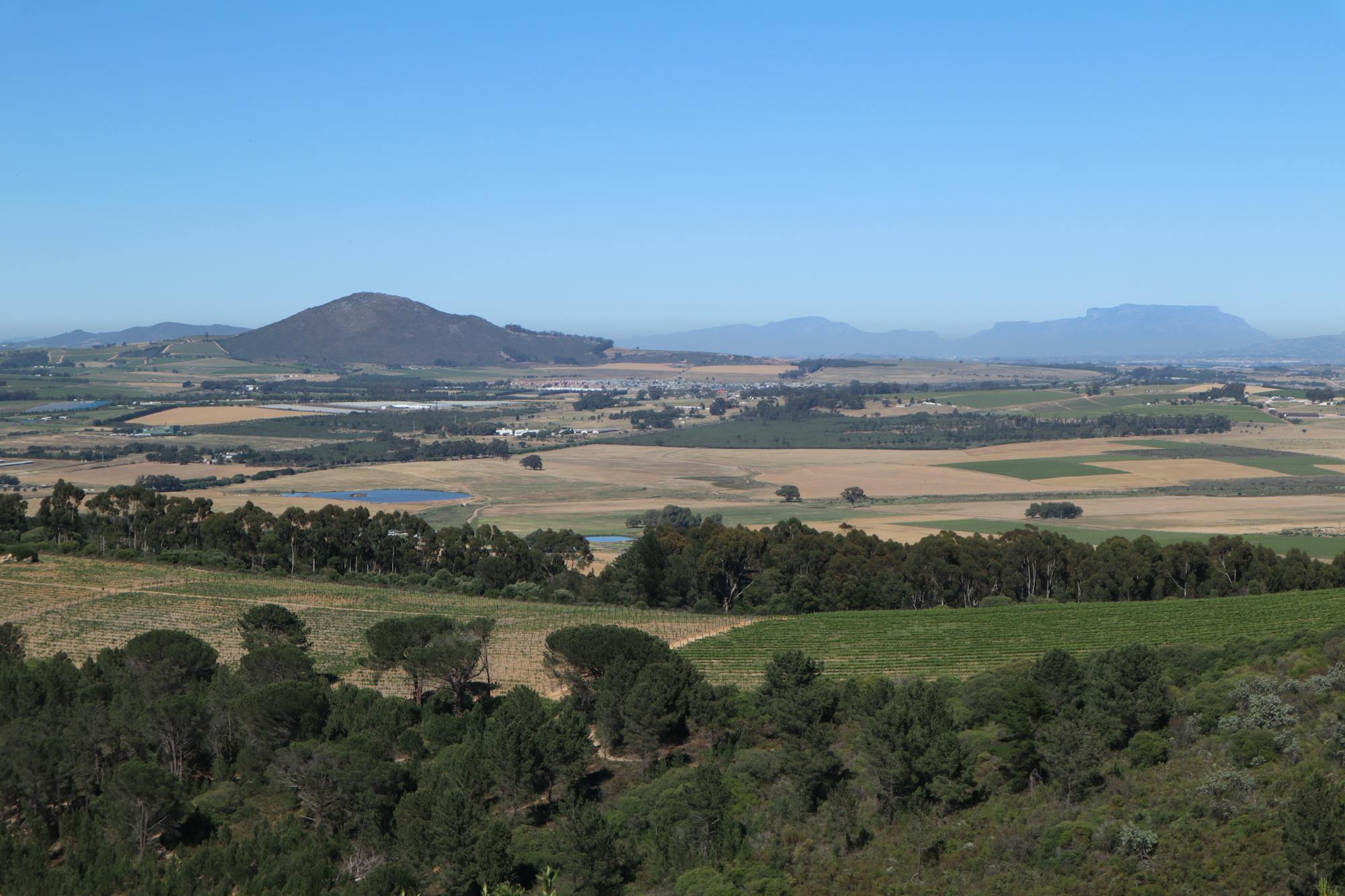
The best time to visit Cape Town depends on what you want to do. For beaches, hiking and outdoor activities, visit between November and March during the warm, dry Cape summer. For whale watching, come between June and October.
The best time to visit Cape Town depends on what you want to do. For beaches, hiking and outdoor activities, visit between November and March during the warm, dry Cape summer. For whale watching, come between June and October.
Best Time to Visit Cape Town: Summer (November–March) for Outdoor Activities
Cape Town's summer is the city at its most iconic — and the best time to visit Cape Town for beach days and city sightseeing, with long days (sunset after 8pm in December), warm temperatures (25–30°C), sunny weather, and clear skies that make Table Mountain, the Cape Peninsula drive, and the Atlantic Seaboard beaches so spectacular. December and January are peak season — the busiest and most expensive period, coinciding with local school holidays, the festive season, and the European winter escape, so if you visit Cape Town from mid-December onward, expect crowds. Early December is usually easier for bookings before the holiday rush. February and March are often the best compromise: still warm and dry, with fewer crowds and better hotel availability, so this remains a great best time to visit. The Stellenbosch and Franschhoek wine harvest (February–April) adds a festive dimension to Cape Winelands visits in this period, especially for wine tasting.
Autumn (April–May): Best Time to Visit for Excellent Value
April and May are Cape Town's shoulder season, with average temperatures around 20–25°C in April and 18–22°C in May, bringing cooler temperatures than summer as the long days give way to earlier sunsets and the first autumn rains begin to green the mountain slopes. The Cape Winelands are particularly beautiful in autumn, and it’s a lovely time for wine tasting amid the changing vine colour. Crowds thin substantially from the February peak and hotel rates drop 20–30%. This is arguably the best period for those combining Cape Town with Kruger, as South Africa’s northern regions are entering the winter months that suit safaris and game drives, while both destinations are at excellent stages of their respective seasons simultaneously.
Winter (June–August): Whale Watching Season and Best Rates
Cape Town's winter is mild by northern hemisphere standards (12–18°C days), but the rainy season brings regular Atlantic rain fronts and enough rainy days to make outdoor activities unpredictable. The compensations are significant: hotel rates drop 30–50% from summer peaks, the Winelands are beautiful in moody grey light and well suited to indoor tastings, and Southern right whales are at their most numerous along the southern coast. Hermanus (90 minutes from Cape Town) is the world's best land-based whale watching destination, and whale watching season runs from winter into spring as whales arrive along the coast, with August and September as peak calving months and sightings from the cliff path without binoculars. Boat trips offer closer sightings, and the warmer waters draw these giants in from Antarctica. Cape Town's indoor cultural scene (restaurants, galleries, the Cape Town International Jazz Festival in March — often also draws visitors in this period) is excellent year-round, so winter can still be a great time to visit Cape Town despite the wet weather.
Spring (September–October): Flowers, Warming, and Sunny Weather
Spring brings warming daytime temperatures of 15–22°C, along with more sunny days and blue skies as the season returns. It also brings the extraordinary spectacle of the Cape's fynbos wildflowers, with colourful flowers appearing across the Western Cape — the Namaqualand daisy fields on the west coast, about 3 hours north, peak in August–September, and the Cape Floral Kingdom's proteas, ericas, and restios begin their display from August. Kirstenbosch National Botanical Garden is also a standout spring stop. October is a lovely time, with temperatures rising, days lengthening, and ideal conditions for outdoor activities such as hiking iconic Table Mountain or Lion's Head in the early mornings before the city gets busier. The Cape Town International Jazz Festival (March) is actually in autumn, but September–October still brings several food and wine dates on the Winelands calendar, along with outdoor events featuring local and international artists.
Weather Variability in Cape Town South Africa
Cape Town, in the Western Cape of South Africa, is known for fast-changing weather, so conditions can shift enough to affect plans at any time of year. The Cape Doctor (a strong southeast wind) is strongest in November–March and can make camp's bay beach uncomfortable even in midsummer, and the cold water can still come as a surprise on hot days. These summer months usually bring hot and dry weather and generally dry weather in the Cape. March also brings major outdoor events, including the Argus Cycle Tour and the Two Oceans Marathon, so conditions matter if you're timing a trip around big race weekends. Table Mountain cable car closes in high winds (significant gusts occur throughout the year) — check the status on the day and book your visit early in the morning when clear skies are more likely. Cape Point is often a better bet on stable-weather days. Start planning flexible sightseeing days around weather windows. Boulders Beach can also work well when conditions settle. Always carry a light layer regardless of season. Cape Town also fits well into a wider plan when you visit South Africa, pairing easily with nearby coastal towns and the Garden Route as part of a year-round destination itinerary.