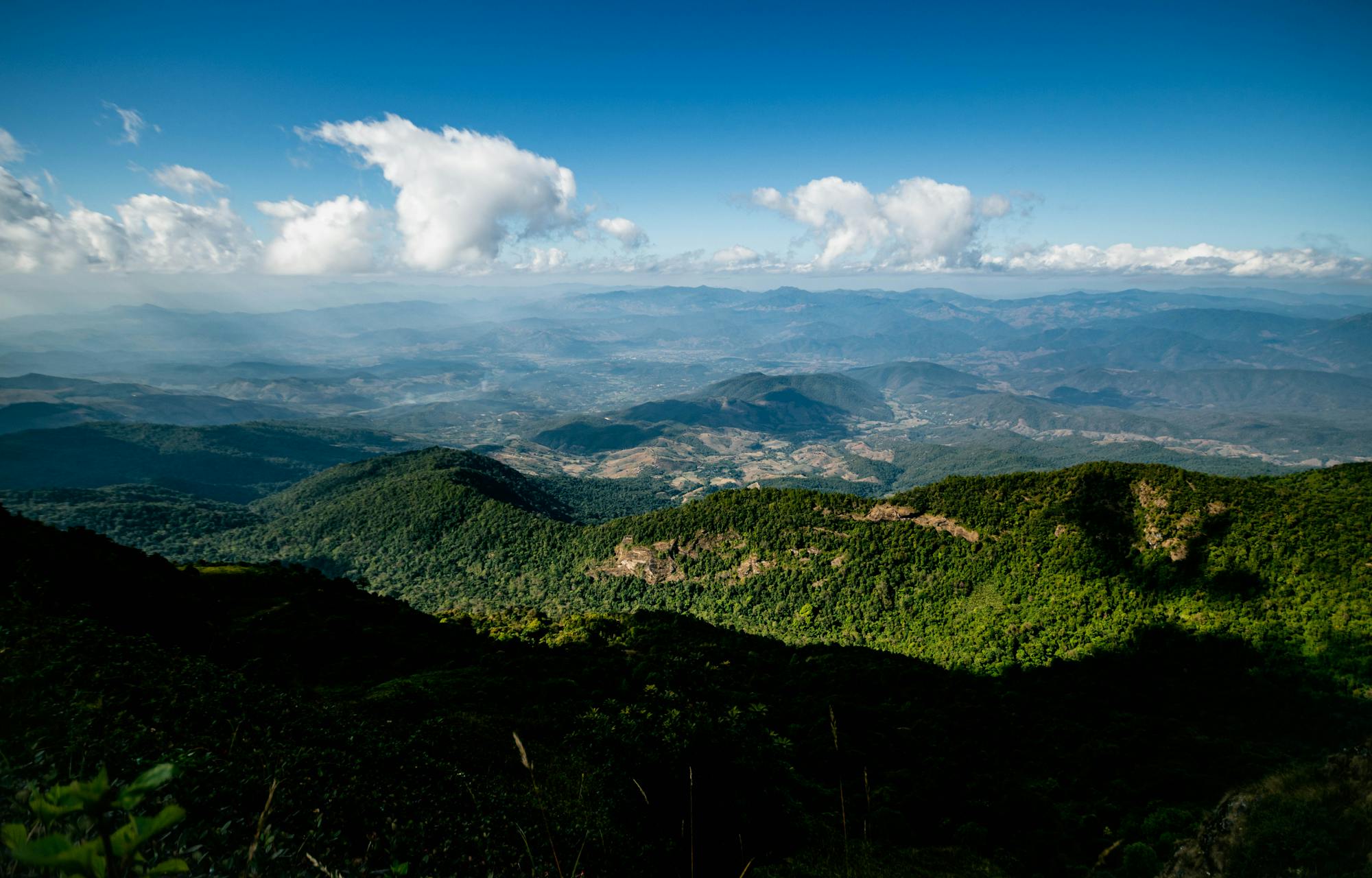
The best time to visit Chiang Mai is during the cool and dry season from November to February — comfortable temperatures, lush mountain landscape, and the famous Yi Peng lantern festival in November. Avoid February to April when agricultural burning creates dangerous air pollution.
The best time to visit Chiang Mai is during the cool and dry season from November to February — when temperatures are comfortable, the mountain landscape is lush and green, and the famous Yi Peng lantern festival lights up the November sky. Unlike coastal Thailand, Chiang Mai has a more pronounced cool season: December and January nights can drop to a genuinely cool 10–15°C. The city should be avoided between February and April, when agricultural burning in the surrounding hills creates dangerous air pollution. The rainy season (June–October) keeps the valleys green and waterfalls full, and while it rains daily, it rarely disrupts a full day of sightseeing.
Best Time to Visit Chiang Mai: Cool and Dry Season (November–February)
This is Chiang Mai's finest season and the best time to visit. November begins the cool season and is a pleasant time to visit Chiang Mai, while also hosting the Yi Peng Lantern Festival — one of the most spectacular events in Southeast Asia, when thousands of illuminated paper lanterns are released simultaneously into the night sky, creating a mesmerising cascade of lights above the city. December and January bring daytime temperatures of 22–26°C and cool, clear nights, with crisp air and pleasant temperatures — ideal for hiking in Doi Inthanon, cycling through the Old City, and dining on outdoor terraces. The weather also suits outdoor activities and a more relaxed pace of sightseeing. This is both the peak season and the peak tourist season, so book accommodation in advance. February is still pleasant, with minimal rainfall, but marks the beginning of conditions that can deteriorate into burning season.
Hot and Burning Season (February–May)
Chiang Mai's most challenging season, the hot season and burning period, runs from late February through April. From late February through April, farmers in the surrounding hills carry out agricultural burning, creating the thick haze of the smoky season across northern Thailand that can make the mountains invisible and push air quality into seriously unhealthy territory. March and April can see AQI readings above 200 — dangerous for those with respiratory conditions, uncomfortable for all visitors. Temperatures also peak at 36–40°C by early April. Songkran (13–15 April) is celebrated over five days in Chiang Mai, when visitors celebrate Songkran through citywide water fights — the longest in Thailand, with the moat becoming the epicentre, so festival timing can still draw crowds despite poor air quality. By May, the first rains arrive, washing the air clean within days.
Rainy Season and Green Season (June–October)
The rainy season in Chiang Mai is less severe than on Thailand's coasts, and the city has a tropical climate, with this stretch overlapping the monsoon season. Rain typically arrives in daily afternoon showers (1–3 hours), leaving mornings clear for sightseeing and day trips, while temperatures hover at warm levels through these months. The surrounding countryside turns a vivid green from July onwards — rice paddies fill, waterfalls in Doi Inthanon reach peak flow, and the Ping River runs high, with whitewater rafting on the Mae Taeng River appealing to nature lovers during wetter months. This is the best season for photographing mountain landscapes, and it is also the low season, with fewer tourists and often fewer crowds at major attractions. Elephant sanctuaries are less crowded, a cooking class can be a useful rainy-day option, and hotels often offer bargain prices for budget travelers. September and October can see flooding in low-lying river areas during heavy years, but the Old City is generally unaffected.
Shoulder Season Sweet Spots: Best Time to Visit
November is almost universally considered the single best time to visit Chiang Mai — the cool season November brings ideal weather, vibrant cultural festivals, cooler temperatures, and drier weather, along with the lantern festival, harvest season in the hills, and prices not yet at December peak. Early December before Christmas is another sweet spot: perfect weather, good availability, and the city's winter festival season beginning with real festive energy and wider cultural events across the city. For budget travellers, the best time to visit Chiang depends on whether you prioritize weather, prices, or crowds: June and early July offer the best deals, with the rains arriving but not yet heaviest, air quality excellent after the burning-season haze has cleared, and hotel rates at their lowest. October is transitional and underrated — last rains, green landscapes, and Loy Krathong approaching as rainfall decreases, making it a good lead-in to festival season.
Cultural Festivals and Events
Chiang Mai hosts major festivals year round, and these cultural festivals are among its most memorable cultural celebrations. The Yi Peng Lantern Festival (full moon, November) is Chiang Mai's most iconic event — thousands of khom loi (paper lanterns) released into the night sky create one of the most photographed spectacles in Asia. Book the official Mass Release at Maejo University months ahead. Loy Krathong (same date) sees candlelit floats released on the Ping River and moat. Songkran (13–15 April, but celebrated for five days here) turns the entire Old City into the world's largest water fight, with colorful parades adding to the atmosphere. The Chiang Mai Flower Festival (early February, first weekend of February) fills Nong Buak Haad Park with elaborate floral displays and a parade of flower-decorated floats; the festival celebrates the region’s floral heritage before burning season begins. Festival trips also pair well with visits to ancient temples like Wat Phra Singh and Wat Chedi Luang, plus evenings at the night markets.