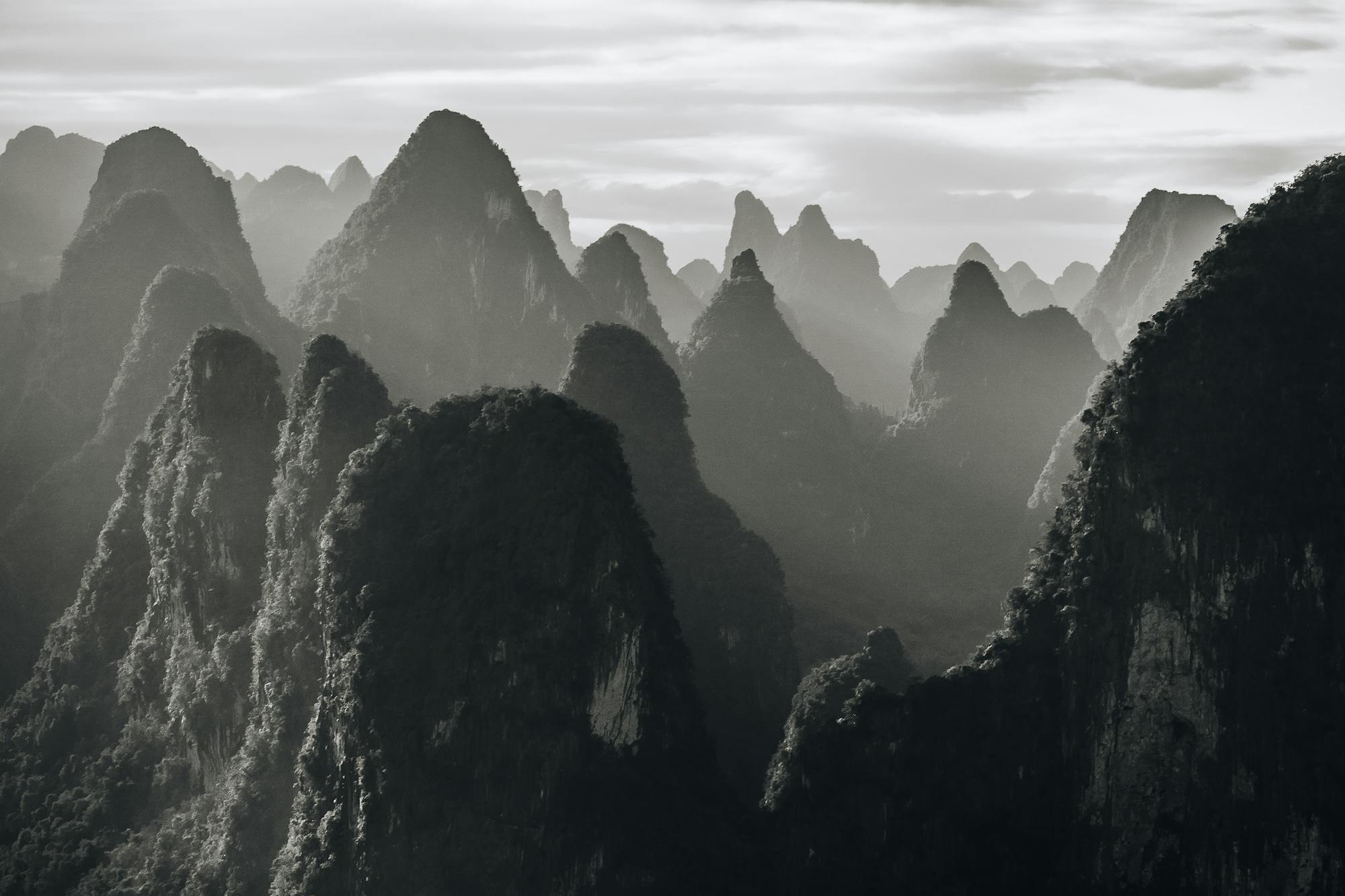
China's vast size means there is no single best time to visit that applies uniformly — a country spanning five climate zones requires a destination-by-destination approach. The broad consensus among experienced travellers is that spring (April–May) and autumn (September–October) are the optimal windows for Beijing, Xi'an, Shanghai, and Guilin, offering comfortable temperatures, clear skies, and beautiful seasonal landscapes.
China's vast size means there is no single "best time to visit" that applies uniformly — a country spanning five climate zones requires a destination-by-destination approach. However, the broad consensus among experienced travellers is that spring (April–May) and autumn (September–October) are the optimal windows for the most visited destinations: Beijing, Xi'an, Shanghai, and Guilin. These transitional seasons offer comfortable temperatures, clear skies, and autumn foliage or spring blossoms that make China's landscapes particularly beautiful. Summer brings heat and humidity to much of the country (and flooding risk in the south), while winter delivers cold, occasional smog, and magnificent emptiness at the major heritage sites.
Best Time to Visit China: Best Season to Visit
Spring (April–May) is arguably the best time to visit China, though the country can be visited year-round because conditions vary by region. As the fourth largest country, China is vast enough that the whole country does not share the same climate at the same time. In Beijing, dry weather and pleasant temperatures (15–25°C) make April–May especially appealing, and the spring peach and cherry blossoms in the Temple of Heaven grounds and the Summer Palace are spectacular, while the crowds have not yet reached summer peak. In Xi'an, spring clarity makes the Terracotta Warriors and the city wall views particularly sharp. In Guilin and Yangshuo, spring rain keeps the Li River full and the karst landscape a vivid green, while the mist that sometimes hangs between the limestone peaks creates classical Chinese landscape painting in real life. In Shanghai, spring temperatures (14–22°C) are perfect for exploring the French Concession's lane-house streets and the Bund waterfront. Autumn (September–October) is equally rewarding, though it's best to avoid early October because the first week of October is crowded: crisp air, blue skies, and the burning red and gold of autumn foliage at Fragrant Hills Park in Beijing and along the Great Wall's mountainous sections make October one of the most photogenic months in the country.
Rainy Season and Summer Heat
Summer (June–August) brings the hardest weather conditions in many parts of China, and the summer months are generally hot, humid, and crowded with families traveling, with temperatures in Beijing, Xi'an, and Shanghai frequently exceeding 35°C. Southern China — Guilin, Chengdu, the Yangtze River valley — experiences high humidity and rain from May to September, while coastal regions can also face typhoons, with occasional flooding disrupting river cruises and rural transport. Despite the heat and rain, summer is manageable with early morning sightseeing, midday air-conditioned refuge in museums, and evening exploration. Tibet, Qinghai, and the northwest (Xinjiang) are actually at their most accessible and beautiful in summer, when the mountains offer the best hiking conditions, cooler weather than the lowlands, and clear skies. The Meiyu (Plum Rain) season in the Yangtze Delta (Shanghai, Suzhou, Hangzhou) typically runs from mid-June to early July — persistent drizzle that makes outdoor sightseeing unpleasant but creates a moody, atmospheric quality at classical gardens and water towns, and plans can still work around an occasional shower.
Peak Tourist Season: Best Time to Visit
China's peak travel pressure is, generally speaking, driven by domestic tourism on a scale that dwarfs any other country. The two Golden Week holidays — Chinese New Year (late January/February, one week) and National Day, the October national holiday also known as National Week (October 1–7, one week) — see approximately 500 million domestic trips occurring simultaneously. The first week of October is extremely busy at China's major attractions. The Forbidden City, Great Wall at Badaling, and West Lake in Hangzhou become genuinely overwhelmed during these periods — the experience of visiting the Terracotta Warriors during National Day Golden Week approaches the surreal. Hotel prices double to triple, trains sell out weeks in advance, and popular restaurants require hour-long queues. Experienced travellers either embrace the festive energy (Chinese New Year in Beijing or Xi'an is extraordinary, with temple fairs and fireworks) or plan around these windows entirely if they want fewer crowds.
Shoulder Season
The ideal shoulder season months — and often the best time to visit for lighter crowds — are March (cool but pleasant, post-winter, pre-crowds) and November (post-National Day peak, before winter cold sets in). March brings early spring to South China, when temperatures start to rise, spring blossoms begin, fruit trees flower, and plant life turns greener in some rural areas, while hotel prices remain relatively low. It is also a good shoulder-season window for Central China and Sichuan Province, where sightseeing conditions are generally comfortable before wetter, busier months. In Beijing and Xi'an, March can still be cold (5–15°C); in Northern China, January temperatures can drop to -10°C, so March is a clear improvement over deep winter, though occasional dust storms from the Gobi Desert remain possible, and the heritage sites are uncrowded and the light is beautiful. November in Beijing and Xi'an brings the last of the autumn colour, genuinely crisp clear days, and very little rainfall compared with summer before the winter smog begins to build. Jiuzhaigou National Park is a spectacular sight in autumn and one of the standout national parks to see at that time of year. Shanghai's November weather is pleasant and the city's cultural calendar — art fairs, music festivals — is at its most active, while late autumn is also an excellent time for Yunnan Province thanks to mild temperatures and fewer crowds. The rice terraces there are especially rewarding then.
Festivals and Celebrations: Dragon Boat Festival
Chinese New Year (Spring Festival / Chūnjié), often falling in late January or early February on the lunar calendar, is the world's largest annual human migration — and one of the busiest periods to visit China if you embrace the chaos. Temple fairs (庙会) in Beijing's Di Tan and Long Tan parks, lantern festivals, lion dances, and fireworks (where permitted) fill the cities for two weeks. Lantern Festival (Yuanxiao), 15 days after Chinese New Year, marks the end of the Spring Festival with lantern displays, illuminated paper lanterns carried through the streets, riddle competitions, and the eating of sweet glutinous rice balls. For a winter spectacle, the Harbin ice festival runs from December to February, when conditions are extremely cold and can drop to -40°C, with intricate ice sculptures, ice archery, and ice golf on display. In contrast, some winter trips in Southwest China are built around hot springs and gentler weather. Qingming Festival (Tomb Sweeping Festival) (tomb-sweeping, early April) is a time of family cemetery visits and outdoor excursions — parks fill with kite-flyers and picnickers, and rural areas can be especially scenic when fruit trees are in bloom. Guizhou's sister's meal festival also usually takes place around April. Dragon Boat Festival (Duanwu), held on the fifth day of the fifth lunar month, features dragon boat races on rivers and lakes across China and the eating of sticky rice dumplings (zongzi). June festivities also connect with the summer solstice and traditional seasonal observances. Mid-Autumn Festival (Zhongqiu), also known as the Moon Festival, in September or October is celebrated with mooncakes, family gatherings, and rice wine — the full moon over the West Lake in Hangzhou or the Bund in Shanghai is a magical sight. These year celebrations and a few festivals can enrich a trip but also affect crowd levels.