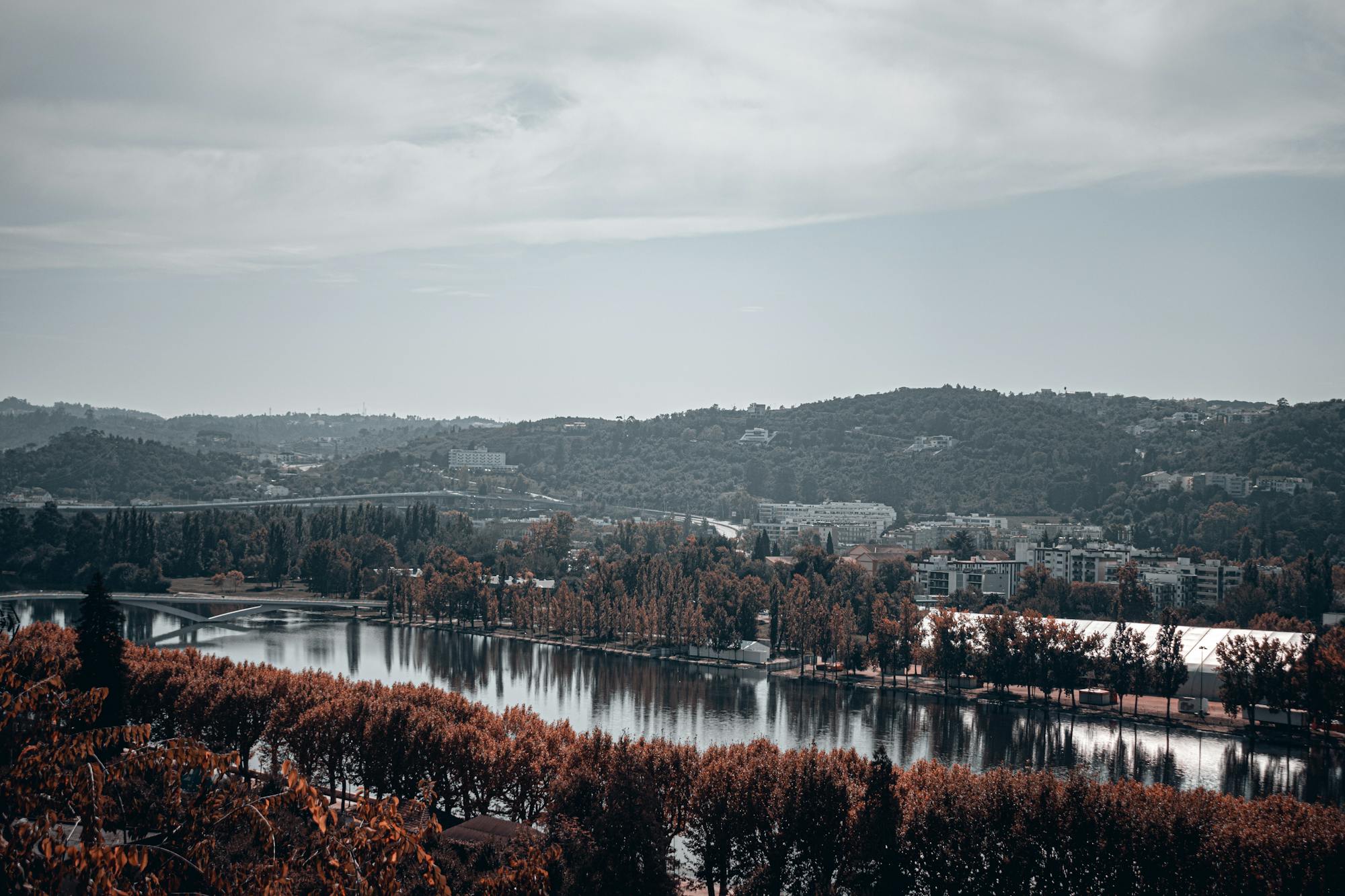
Coimbra is a rewarding year-round destination, but the best times to visit are April–June and September–October, when the weather is warm but not scorching, the city is lively but not overwhelmed by tourists, and the Mondego riverbanks are at their most beautiful. The famous Queima das Fitas festival in May is one of the best cultural events in Portugal and worth timing your visit around.
Coimbra is a rewarding year-round destination, but the best times to visit are April–June and September–October, when the weather is warm but not scorching, the city is lively but not overwhelmed by tourists, and the Mondego riverbanks are at their most beautiful. The city's student calendar shapes its atmosphere significantly — when the university is in session (October–June), Coimbra buzzes with energy; in summer, it's quieter and more overtly touristy. The famous Queima das Fitas festival in May is one of the best cultural events in Portugal and worth timing your visit around.
Best Time to Visit Coimbra: Spring (March–May)
Spring is arguably Coimbra's finest season. Temperatures climb from around 14°C in March to 21°C by May, skies are reliably blue, and the city's gardens and hillside vegetation burst into colour. The university is fully active, meaning the streets around the Alta are full of students in their black capes — a sight that gives Coimbra its unique atmosphere. The highlight of spring is Queima das Fitas, held in the first or second week of May, when graduating students burn their faculty ribbons in a week-long celebration of Fado concerts, parades, and parties. This is one of the most authentic Portuguese festivals and Coimbra fills to capacity — book well ahead but absolutely consider attending. March and April are quieter and very pleasant for sightseeing with shorter queues at the Joanina Library. Spring is also a great time to explore Coimbra Portugal on foot and appreciate its history.
Summer (June–August): Best Time to Visit
Summer brings Coimbra's hottest weather, with temperatures regularly reaching 30–35°C in July and August. The university empties for summer break, and the city takes on a different, more tourist-oriented feel, with bigger crowds than in spring, though beach-focused trips to the Algarve are usually even more crowded. This is the best time to visit the outdoor attractions — the Portugal dos Pequenitos garden, the botanical garden, riverside walks, and the nearby beach at Figueira da Foz are all at their most appealing, whether you go by train or car for an easy day trip. Coimbra also fits neatly between Lisbon and Porto on a summer itinerary, with Porto often seen as the capital of northern Portugal. The Festas da Rainha Santa is celebrated every two years in early July (in even years), a major religious and cultural festival honouring Queen Isabel with processions and concerts. Summer evenings are magical along the Mondego riverfront, where locals gather and long evenings keep the atmosphere lively. Be prepared for intense midday heat and bring sunscreen; the steep streets of the Alta can be tiring in full sun, so wear comfortable walking shoes. March and April are quieter months to visit Coimbra, with mild weather and thinner crowds that make sightseeing especially pleasant.
Autumn (September–November) in Central Portugal
September and October are among the most beautiful months in Coimbra. The intense heat softens, though summer also brings the biggest crowds, and in Coimbra Portugal the light takes on a golden quality perfect for autumn photography as the university reopens and brings the city back to life for the new academic year. The Festa das Latas (Freshers' Festival) in October marks the arrival of new students with street parties, concerts, and traditional initiation ceremonies — a colourful and authentic glimpse into Coimbra's academic culture, with Coimbra's streets feeling especially lively around the old town and city center.
The forests of the Buçaco hills nearby put on spectacular autumn colors in October and November, and cool nights make evening walks especially pleasant. Rain increases through November, so it's wise to plan ahead, but the city remains very visitable. Accommodation prices drop from October onwards. It's also a rewarding season for visiting Portugal if you want balanced weather and fewer crowds in this part of the country.
The beach at Figueira da Foz is an easy day trip from Coimbra. It’s easy to reach by train, while a car gives you more flexibility along the coast. You can also pair the city with the Douro Valley or the Roman ruins at Conímbriga for a worthwhile onward trip.
Winter (December–February) Along the Mondego River
Winter in Coimbra is mild by northern European standards and compared with much of Europe, with an Atlantic influence that keeps daytime temperatures around 10–14°C and nights cool rather than harsh; snow is extremely rare. The town has a pleasantly quiet, unhurried feel in January and February, when visitors can have the Joanine Library and cathedral almost to themselves. In the library, bats live in the roof and help protect the collection by feeding on insects. Christmas is celebrated warmly, with lights along the riverside and a traditional market in Praça 8 de Maio. Rain peaks in December and January, so pack a waterproof layer. Hotel prices drop significantly, making winter an excellent time for budget-conscious travellers who don't mind occasional grey skies. The Mondego River can flood its lower banks in very wet winters, but the historic upper city remains unaffected, which adds to Coimbra’s appeal in this part of the country.
Events Calendar
Queima das Fitas (May): The defining annual event — graduating students burn their faculty ribbons in a week of Fado concerts, processions, and celebrations that capture Coimbra’s student life. Some processions also pass by the Sé Velha, the 12th-century Romanesque old cathedral. Festa das Latas (October): Freshers' week celebrations welcoming new students with street parties and the traditional praxe initiation ceremonies around the university, as visitors wander Coimbra’s streets and university areas. Near the celebrations, the Sé Velha’s stone walls can catch the light in warm tones. Festas da Rainha Santa (July, even years): Biennial religious and cultural festival honouring Queen Isabel with candlelit processions and public concerts. Mercado de Natal (December): Christmas market in the lower city with local crafts, seasonal foods, and mulled wine. Beyond the festivals, many visitors also pair Coimbra with Lisbon, Porto, or wider trips across Portugal.