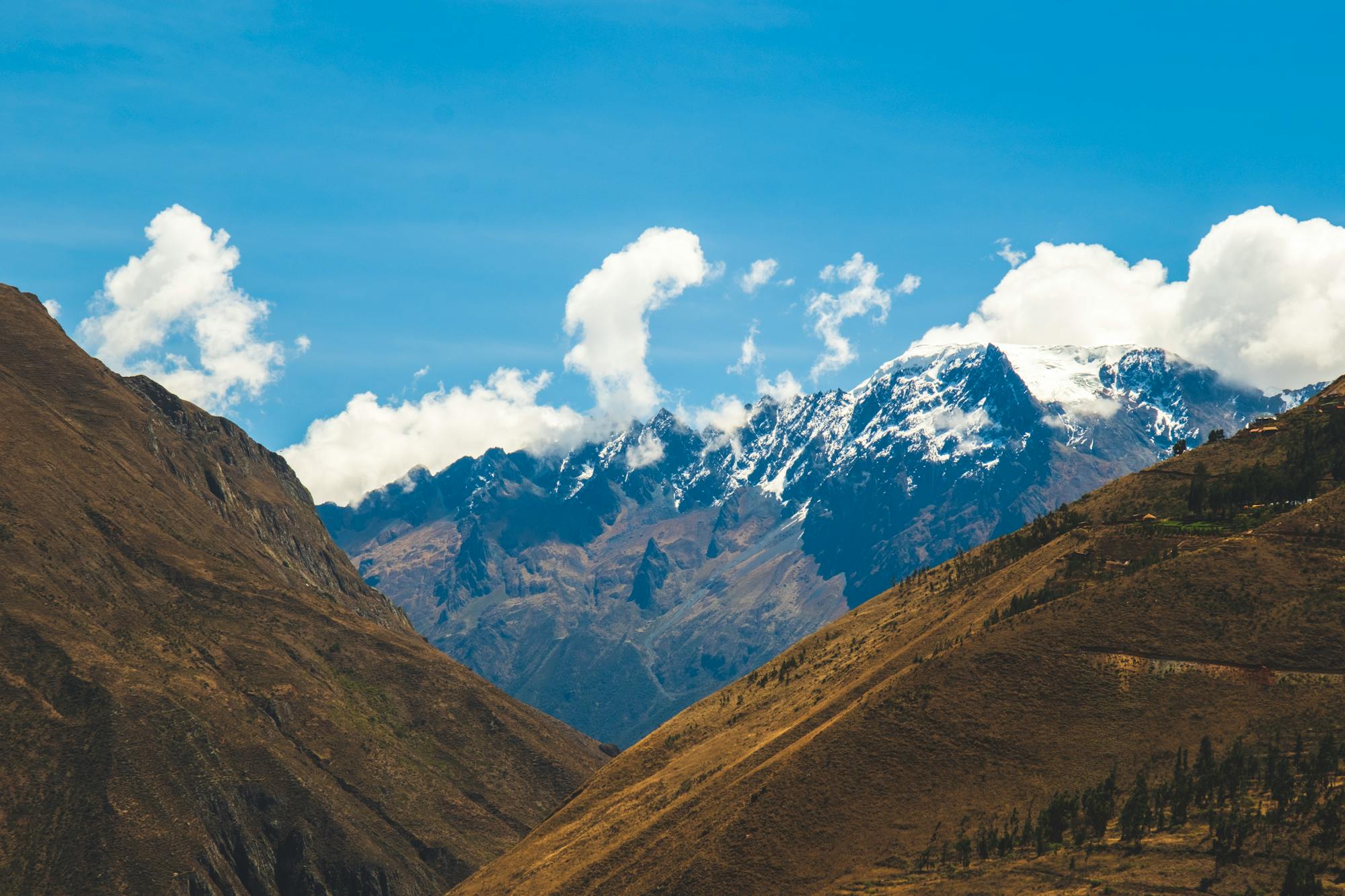
Cusco's high-altitude Andean climate divides clearly into two distinct seasons — a dry season (May to October) and a wet season (November to April). Unlike coastal Peru, the seasons here are defined not by temperature but by rainfall, and they profoundly affect which activities are possible and how comfortable your visit will be. For most visitors — especially those planning to trek the Inca Trail, visit Machu Picchu, or explore the Sacred Valley — the dry season is the best time to visit Cusco.
Best Time to Visit Cusco: June to August (Dry Season Peak)
June through August represents Cusco's busiest and most popular period, marking both the high season and the peak tourist season. The dry season is in full swing, bringing clear skies, brilliant sunshine, and cold nights (temperatures can drop to 0–2°C at night, while days reach 18–20°C). The landscapes are dramatic — snow-capped peaks gleaming against blue skies, the Andean altiplano at its most photogenic.
This is the best period for trekking the Inca Trail and all other mountain routes around Cusco. Machu Picchu sees its heaviest visitor numbers and the ruins can be crowded, but the weather is reliably dry and the site is at its most accessible; tickets for Huayna Picchu also need to be booked well in advance during this period. Inca Trail permits for June, July, and August sell out within hours of going on sale each January — book trekking permits immediately when they open.
The peak is also festival season. Inti Raymi (Festival of the Sun) on June 24 is the year's most spectacular celebration, drawing thousands of visitors to Sacsayhuamán for an elaborate re-enactment of the ancient Inca winter solstice ceremony. The preceding days feature processions, traditional music, and colorful ceremonies throughout the city. Accommodation must be booked months ahead.
Shoulder Season: May and September–October – Best Time to Visit
May and the September–October period are often the best time to visit, and an excellent time to visit if you want the dry season at its most pleasant without the extreme crowds and prices of peak summer. May is particularly magical: the wet season has just ended and the dry season begins, leaving greener landscapes, wildflowers blooming across the Sacred Valley, better conditions for Rainbow Mountain, and significantly fewer tourists at Machu Picchu and Inca Trail sites. October sees similar conditions as the dry season approaches its end.
These months offer the best value: hotel prices are lower than June–August, with manageable crowds, but the weather remains excellent for trekking and sightseeing. They also work especially well if you want to visit Machu Picchu with good trekking conditions but less pressure than June–August. Inca Trail permits, while still needing advance booking, are more available than peak months. Many experienced Peru travelers consider May and September to be the sweet spot for a Cusco trip, though when to visit Cusco depends on your priorities around weather, crowds, and pricing.
Wet Season (Rainy Season): November to April
The rainy season runs from November to April, and these are the main rainy months, bringing afternoon and evening rains that are often short, though some days bring heavier downpours. February is the wettest month, and the wettest months are also the least reliable period for trekking access; the Inca Trail is completely closed throughout February for path maintenance and repair. Machu Picchu remains open year-round but the site is frequently shrouded in mist and cloud, and heavy rainfall during the Andean wet season can disrupt plans in Cusco, especially transport and trekking schedules, with the access road occasionally closed by landslides.
That said, the wet season is not without appeal. Crowds are significantly reduced, hotel prices drop by 30–50%, and the Andean landscape is intensely green and alive. Morning visits to Machu Picchu often have clear weather before afternoon clouds roll in, especially for travelers starting early from Aguas Calientes. Budget travelers willing to accept some weather uncertainty can find exceptional value from early November through January, before the heaviest rains arrive in February and March.
Importantly, visiting Machu Picchu during the wet season often means misty, atmospheric photos with fewer crowds — many photographers prefer the moody cloud forests of this period to the clear but crowded dry-season conditions. Some budget travelers also route through Santa Teresa as a cheaper, more adventurous way toward Machu Picchu in the rainy months, though conditions are less predictable.
Weather Overview
Cusco has two seasons, and these weather conditions largely shape the best time to visit Cusco. At roughly 3,400 meters above sea level, the altitude and Andean setting also connect the city to Peru’s ancient history and affect how temperatures feel and why acclimatization matters.
**May–October (Dry Season):**daytime temperatures are typically 16–20°C, while minimum temperatures at night range from 2–8°C. Clear skies, cold nights, minimal rain, and usually good weather with more sunny days for sightseeing. Best for trekking and outdoor activities, and after acclimatizing in Cusco, most visitors can explore Machu Picchu comfortably at its lower elevation.
November–April (Wet Season): Days 17–19°C, nights 6–10°C, with a maximum temperature that commonly stays in the high teens °C. Daily rainfall, particularly in afternoons, and machu picchu weather follows a similar rainy-season pattern at this famous archaeological site, though shoulder months can still bring pleasant weather or mild weather. Lush landscapes, heavy February rains.
February: Wettest month; Inca Trail is closed. Machu Picchu open but often misty.
June–August nights: Can drop below freezing at higher altitudes — bring warm clothing and sun protection, and pack a rain poncho for the wet season, along with warm layers for early morning Machu Picchu visits and mountain excursions; those planning higher or longer hikes such as Machu Picchu Mountain should also start early and dress for colder conditions.
Key Events and Festivals in Cusco
Inti Raymi — Festival of the Sun (June 24): Peru's most spectacular festival and an important celebration in the city's annual calendar, commemorating Inca heritage and resistance after the arrival of Spanish conquistadors; it also evokes sacred routes tied to the Sun Gate, the iconic arrival viewpoint associated with Inca pilgrimage to Machu Picchu. Thousands of performers in Inca costume re-enact the ancient ceremony at Sacsayhuamán. Celebrate the winter solstice with the entire city.
Corpus Christi (June, variable): One of Cusco's most important Catholic celebrations. Statues of 15 saints are carried in elaborate processions through the city as part of a major saints day observance, meeting at the Cathedral in a stunning spectacle of colonial religious art, and many travelers plan around the crowds.
Cusco Week (June 23–29): A full week of celebrations around Inti Raymi including local markets, music festivals, parades, cultural events, local festivities, and the return of large tour groups across Cusco city, overlapping with peak season across the wider Cusco region. The city is at its most festive.
Carnaval (late February): Known for water-filled street celebrations and lively local traditions, this wet-season festival can still appeal to travelers who visit Peru for culture as much as weather.
Qoyllur Riti (May–June, pre-Corpus Christi): An ancient pilgrimage to a glacier on Mount Ausangate at 4,700m — a unique fusion of Andean and Catholic traditions attended by thousands of indigenous pilgrims in elaborate costumes.
Major routes and heritage sites from Cusco: The Salkantay Trek is a less-crowded alternative to the Inca Trail for travelers planning a bigger adventure from the city. Some Machu Picchu circuits also include the Inca Bridge. Travelers interested in deeper Inca history may also look beyond Cusco to another major archaeological site.
Holy Week (March or April): Marked by religious processions and special church events, this is one of the busiest holiday periods of the year and can raise visitor demand across Cusco.
Peru's Independence Day (July 28–29): National celebrations bring more domestic travel, patriotic events, and a livelier atmosphere in Cusco.
Virgen del Carmen (mid-July): A culturally important regional festival known for music, elaborate costumes, and traditional dances that fill the streets.
Pachamama Day (August 1): Celebrated on August 1st in Cusco and centered on offerings to Mother Earth, this traditional observance honors the land through rituals and community gatherings.
Señor de Huanca (September 14): A major pilgrimage and regional religious event that draws worshippers from Cusco and surrounding areas.
Santurantikuy Market (December 24): One of South America's largest Christmas markets, filling the Plaza de Armas in Cusco, Peru with nativity scene figurines, toys, crafts, and food — a centuries-old tradition in one of the continent's most iconic cultural destinations, while San Pedro Market offers a more everyday local market experience at other times of year.