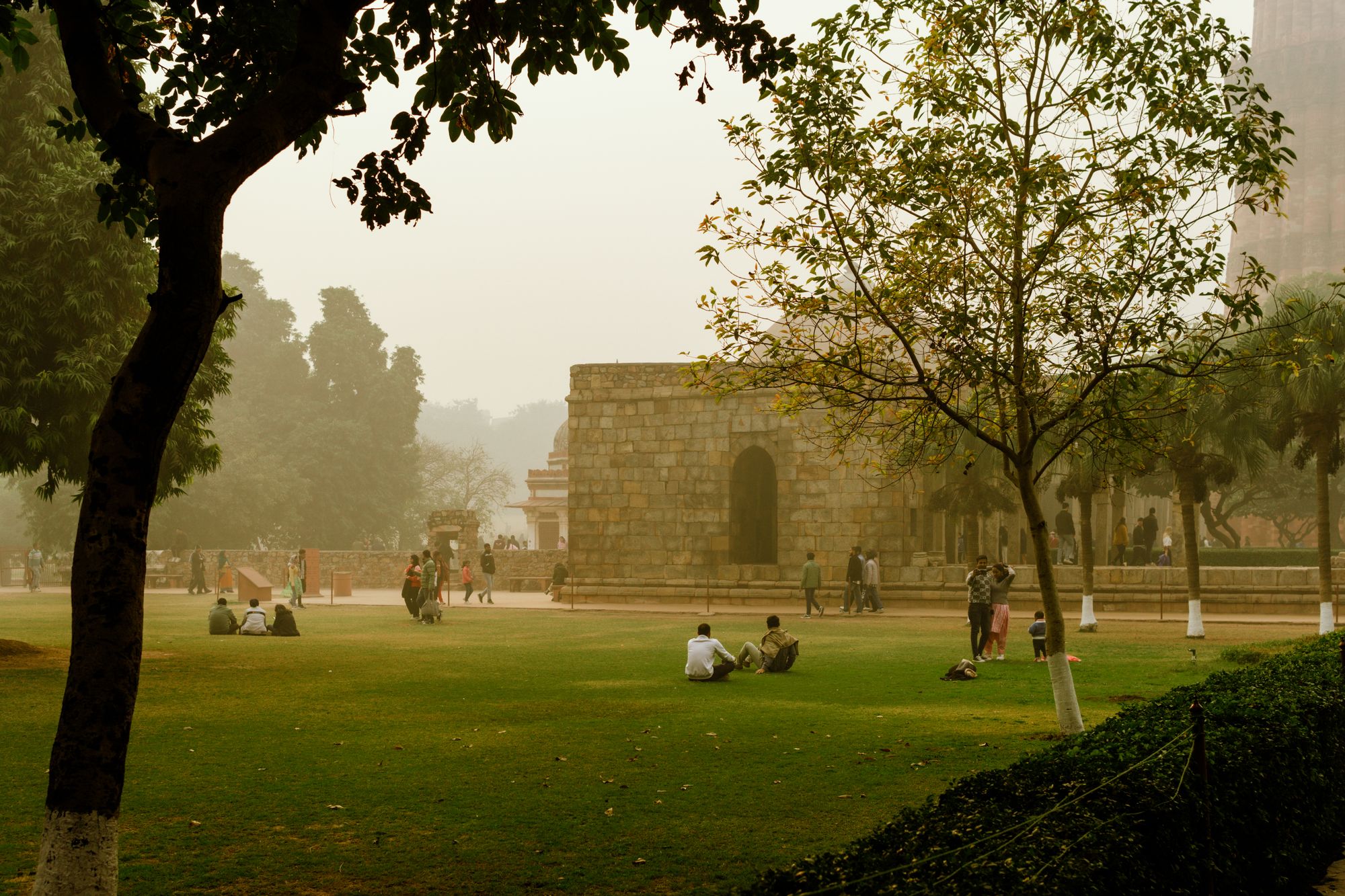
Delhi's climate is extreme in every season — baking summers, a dramatic monsoon, crisp winters with occasional cold fog, and brief but glorious spring and autumn windows. The ideal time to visit is October to March, when temperatures are comfortable for sightseeing and the city's monuments glow in clear winter light.
Delhi's climate is extreme in every season — baking summers, a dramatic monsoon, crisp winters with occasional cold fog, and brief but glorious spring and autumn windows. The ideal time to visit is October to March, when temperatures are comfortable for sightseeing and the city's monuments glow in clear winter light. Avoid May and June at all costs if you are sensitive to heat, and plan monsoon visits (July–September) knowing that rain disruption is a real possibility.
Best Time to Visit Delhi: High Season (October–March)
This six-month window is the best time to visit and the best time to visit Delhi. October and November bring post-monsoon freshness with favorable weather conditions — temperatures dropping from 35°C to a comfortable 20–25°C, clear skies, and cooler temperatures that make the city especially inviting, with Delhi decked in Diwali lights during late October or November. December and January are the coolest months, with daytime temperatures of 15–20°C and crisp evenings requiring a light jacket. These months are perfect for long days of monument-hopping — the Qutub Minar, Humayun's Tomb, and Lodi Gardens are particularly beautiful in cool, golden winter light. February brings the first hints of spring, with temperatures rising gently and gardens bursting into bloom; the famous Mughal Gardens at Rashtrapati Bhavan open to the public for a few weeks during this time. March stays pleasant before the heat arrives in April, making October to March the main time to visit and the best time for sightseeing in New Delhi.
Monsoon/Summer Season: Best Time to Visit
Delhi's summer (April–June) is formidable during the summer months. April begins comfortably enough but by May and June, the peak summer months, temperatures routinely reach 42–45°C, with dust storms (andhi) sweeping through the city on hot afternoons, bringing intense heat and scorching heat. Outdoor sightseeing becomes genuinely uncomfortable and potentially dangerous during peak afternoon hours, disrupting outdoor activities and even affecting travel plans.
The monsoon season arrives in late June or early July, bringing monsoon rains and dramatic relief from the heat alongside heavy rainfall, a common cause of flooding and transport disruption. July is often the wettest month, when the monsoon is in full swing. July and August see temperatures around 30–35°C with high humidity, regular afternoon downpours, and occasional waterlogging. Air quality is actually at its best during monsoon as the rain washes out pollutants — a silver lining for those who must visit in summer, even if this is generally the low season for Delhi, since from march onwards the capital becomes increasingly warm and harder for sightseeing, though it can still suit travelers pairing Delhi with wildlife spotting elsewhere in India.
Shoulder Season and Cooler Temperatures
September and October are a strong alternative time to visit Delhi for travelers who want good weather and fewer tourists: early September can be a mixed bag, but by October the weather is far more reliable; the monsoon withdraws by mid-September, leaving the city green, freshly washed, with sunny days and favorable weather, and significantly less crowded than the peak winter months. Hotel rates drop, queues at monuments shorten, and the landscape around Delhi — particularly around Humayun's Tomb and the Mehrauli Archaeological Park — is marked by lush greenery and stays photogenic. March and April offer a pleasant pre-summer window, and March is a great month to visit before hotter conditions build, especially in early April when temperatures remain below 35°C, though as Delhi starts heating up from March onward, some travelers shift to hill stations for cooler breaks. The Holi festival, celebrated in March, is one of India's most spectacular events and draws travellers from around the world to Delhi and the wider region, often as part of the Golden Triangle with Agra’s Taj Mahal combined into the same trip. It can also be a good time to visit India more broadly, since conditions vary between North India and south india. While Delhi is warming up, some travelers pair it with the drier weather in the southern states, including trips to tamil nadu or plans to visit kerala.
Religious Festivals Impact
Diwali (October/November) transforms Delhi — streets are illuminated, markets overflow with sweets and fireworks, and the city has an electric atmosphere, with the winter festival season also being one of the most popular times for Delhi experiences. However, post-Diwali air quality often reaches hazardous levels due to fireworks, making it a challenging time for those with respiratory conditions. Holi (March) brings joyful chaos, but tourists should be aware that some neighbourhoods can get rowdy and valuables are at risk of damage from coloured powders. Eid celebrations, particularly Eid al-Fitr (end of Ramadan, dates vary), see Old Delhi and Jama Masjid area buzzing with festivity — a wonderful cultural experience if you're comfortable in large crowds. The Republic Day Parade on 26 January is a spectacular military pageant along Kartavya Path; for many visitors, late December and January can feel like a magical time because of the major celebrations, but book accommodation months ahead if attending.
Key Events and Celebrations When You Visit Delhi
The Delhi International Arts Festival (November–December) showcases performances across classical and contemporary arts at venues throughout the city. The Qutub Festival (October/November) brings classical musicians and dancers to perform against the illuminated backdrop of the Qutub Minar — one of India's most atmospheric live-music experiences. Surajkund Crafts Mela (February), held just outside Delhi in Faridabad, is one of Asia's largest crafts fairs, with artisans from every Indian state and across the country displaying traditional goods from India. The Delhi Half Marathon (November) takes runners past several of the city's landmarks and draws elite athletes from across the world. Book accommodation and flights in advance for any major event trip, as hotel and airfare prices surge significantly. These festivals also fit well into wider Golden Triangle planning around popular destinations such as Delhi and Agra; if you are adding the Taj Mahal, plan for early morning or late afternoon when the sun is lower and it is a quiet time to visit. Many travelers also use Delhi as a base before they visit India more widely, including routes toward central India and Rajasthan. If you are extending the trip, the dry season often brings clear blue skies and dry weather for classic sightseeing itineraries, though conditions can vary from Delhi to the rest of the country. Some travelers compare Delhi with the best time to visit goa, while others continue to national parks such as ranthambore national park. Arriving as the sun rises is especially rewarding for Taj Mahal visits.