Edinburgh's cultural calendar has two unmissable peaks that make it worth planning a trip around specific dates. August hosts the Edinburgh Festival Fringe — the world's largest arts festival, with over 3,400 shows performed across 300 venues over 25 days — alongside the International Festival, the Military Tattoo on the Castle Esplanade, and the Book and Art festivals. Hogmanay, Edinburgh's New Year celebration, rivals any in the world, with fireworks over the castle and torch-lit processions through the city.
The best time to visit Edinburgh depends entirely on your priorities. For the world-famous Fringe Festival, you must come in August — but expect sky-high prices and a city packed to bursting. For the best balance of decent weather, manageable crowds, and reasonable costs, May–June and September–October are ideal. Edinburgh's weather is famously unpredictable at any time of year — pack layers and a waterproof regardless of the month — but the city rewards visitors year-round with its dramatic setting, world-class museums, and convivial pub culture.
Best Time to Visit Edinburgh: Spring (March–May)
Spring in Edinburgh, Scotland's capital, is unpredictable but increasingly beautiful, and spring is a strong contender for the best time to visit for sightseeing. March and April can still be cold, blustery, and wet, with the possibility of snow on higher ground, though temperatures range from 5–10°C. However, the days lengthen quickly, the parks and gardens bloom, and the city feels refreshingly quiet compared to summer. As the city starts to feel livelier, there are still fewer visitors than in peak summer. The Edinburgh International Science Festival (April) is one of the world's largest science festivals, bringing hundreds of events to venues across the city. By May, temperatures reach a pleasant 13–16°C and the city begins its run-up to festival season — café terraces open, Princes Street Gardens fill with picnickers, and the Arthur's Seat hike up the ancient volcano becomes genuinely enjoyable. Cherry blossoms and the Royal Botanic Garden are spring highlights. May is an excellent month: good weather odds, lower prices than summer, mild weather, pleasant weather, and a relaxed pace for exploring key sights while the city is full of locals enjoying themselves. The Scottish Cup Final (May) at Hampden Park in Glasgow brings extra visitors to both cities. May can also include the Beltane Fire Festival on Calton Hill, while the Edinburgh International Children's Festival is a family-friendly late-May event.
Summer (June–August): Edinburgh Castle
Edinburgh in summer temperatures range from delightful (sunny days of 18–22°C with extraordinary long daylight hours) to persistently grey and cool (12–15°C with rain). June and July are the best weather months statistically, and early summer often brings warmer weather that is ideal for outdoor activities, with long days and a city buzzing with pre-festival energy. Then comes August — the month that transforms Edinburgh into arguably the greatest cultural gathering on Earth, as the Edinburgh Fringe Festival gives the city a vibrant atmosphere. The Edinburgh Festival Fringe (the world's largest arts festival), the Edinburgh International Festival, the Royal Edinburgh Military Tattoo, the Edinburgh International Book Festival, and the Edinburgh Art Festival all run simultaneously, with other events running alongside the Fringe, filling the city with over three million attendees, thousands of performers, and performances in virtually every available space. Performances also spill into pop up bars and temporary spaces across the city, with extra buzz around major music venues. It is extraordinary, exhausting, and unlike anywhere else on Earth, and landmarks such as Edinburgh Castle and the Royal Mile are especially busy in summer. Summer is the peak tourist season. Book accommodation and tickets months in advance; expect to pay premium prices for everything.
Autumn (September–November)
September is a superb time to visit Edinburgh, and early fall is another good way to think about this season. The festival crowds have gone, the summer pricing has eased, and the city returns to its calmer, more local self at a more relaxed pace — but retains the energy that August generates. Temperatures of 13–16°C and often golden autumn light bring mild weather that makes sightseeing very pleasant, especially around Edinburgh Castle. October sees the colours deepen on Arthur's Seat and in the city's parks, and the Edinburgh Jazz and Blues Festival extends into autumn programming. It's also a great time for ghost tours and cosy pubs. November brings colder weather along with wetter conditions (7–10°C) and the run-up to the spectacular Hogmanay celebrations. Dean Village is especially scenic for an autumn walk at this time of year. The Edinburgh Christmas Market, which opens in mid-November on Princes Street, is one of Scotland's most magical winter markets.
Winter (December–February)
Edinburgh's winter has a special magic — a wonderful time, even a magical time, to visit, with the castle lit against dark skies, cobbled streets slick with rain, and the smell of whisky in warm pub snugs. December is dominated by the excellent Edinburgh Christmas Market and other christmas markets, with festive spirit and festive cheer building toward Hogmanay — Scotland's legendary New Year celebration, which Edinburgh hosts on a spectacular scale with street parties on New Year's Eve and across year's eve festivities, torchlight processions, firework displays, and a spectacular fireworks display over Edinburgh Castle. Hogmanay (December 30th–January 1st) is a bucket-list event requiring accommodation bookings many months ahead. The season brings strong Scottish culture too, including Burns Night on January 25, when poetry readings celebrate Robert Burns.
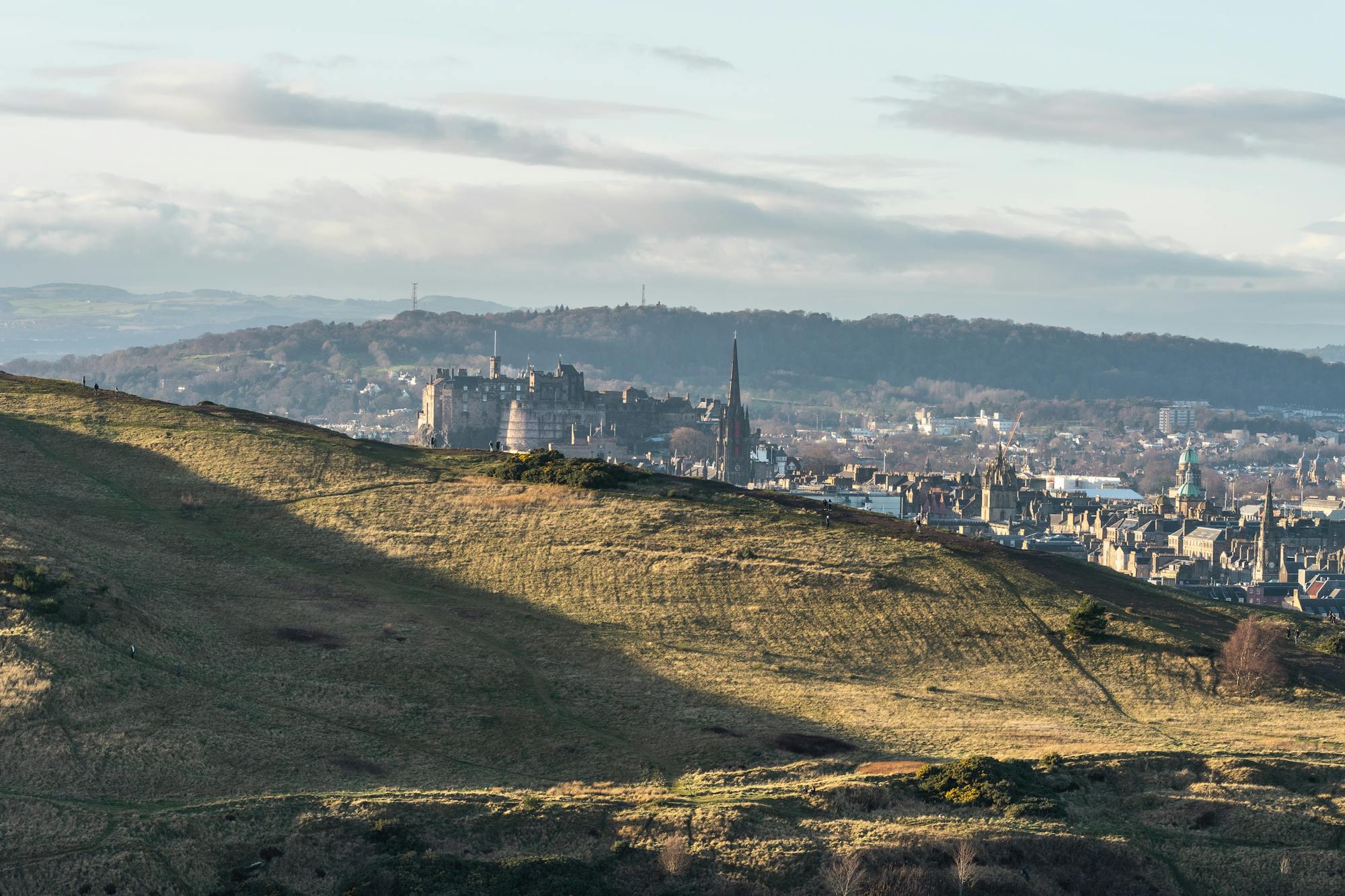
January and February are Edinburgh's quietest months — the city is at its most authentically local, prices are lowest, and the museums and galleries are pleasantly uncrowded. Arthur's Seat on a crisp winter morning, with frost on the grass and the castle visible in clear air, is one of Scotland's finest experiences, and the National Museum of Scotland is a strong indoor option in the colder months.
Local Events and Festivals: Royal Edinburgh Military Tattoo
Edinburgh has one of the world's richest events calendars, with major events year round, and it remains a perfect destination for travelers who plan around festivals. Edinburgh International Science Festival (April) is the world's original science festival. The Edinburgh Jazz and Blues Festival (July) fills the city with live music across dozens of venues. The Edinburgh Festival Fringe (August) is the world's largest arts festival — over 3,500 shows in 300 venues over three weeks. The Royal Edinburgh Military Tattoo (August) is a spectacular display of military bands, massed pipes, and international performers on the castle esplanade. The Edinburgh International Book Festival (August) is the world's largest literary festival. Hogmanay (December 31st–January 1st) is Scotland's legendary New Year celebration with street parties, the Loony Dook sea swim, and the torchlight procession.