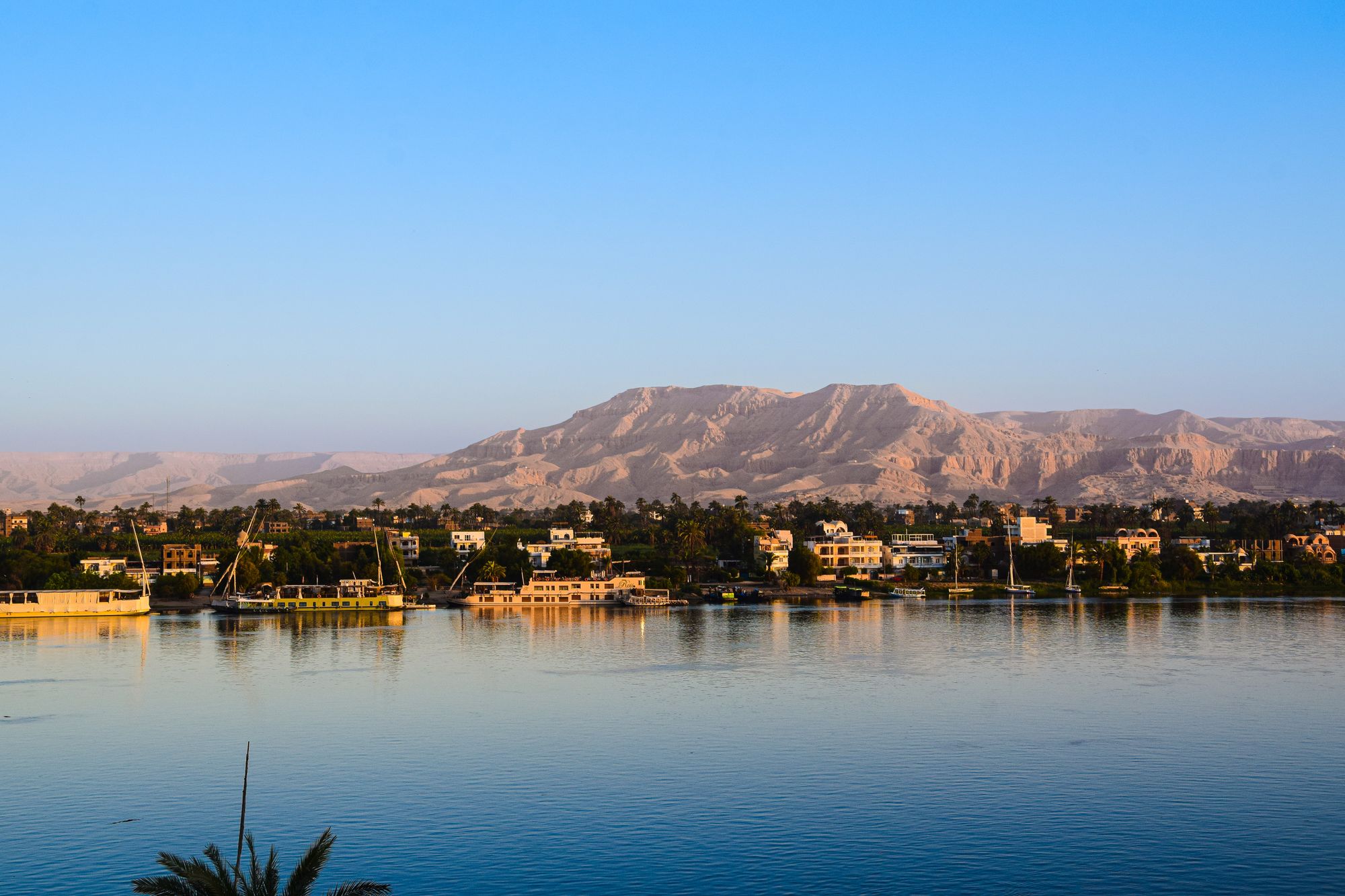
Egypt's climate varies significantly between its Mediterranean north, Nile Valley interior, and desert regions, but the overriding pattern is clear: October to April is the best time to visit, particularly for the ancient sites in Cairo, Luxor, and Aswan. Summer (May–September) brings genuinely dangerous heat in Upper Egypt and the desert, with temperatures regularly exceeding 45°C in Luxor.
Egypt's climate varies significantly between its Mediterranean north, Nile Valley interior, and desert regions, but the overriding pattern is clear: October to April is the best time to visit, particularly for the ancient sites in Cairo, Luxor, and Aswan. Summer (May–September) brings genuinely dangerous heat in Upper Egypt and the desert, with temperatures regularly exceeding 45°C in Luxor.
Best Time to Visit Egypt: Peak Season (October–February) for Nile Valley
The core tourist season for Egypt's Nile Valley runs October through February, which is the best time to visit for many travelers and a particularly comfortable time to visit Egypt. Temperatures in Luxor drop to a comfortable 28°C (October) through 22°C (January), making outdoor temple exploration possible throughout the day. Aswan is similarly pleasant — warm, dry, and clear. Cairo in winter is mild (15–22°C), with cooler temperatures, mild winters, and occasional rain alongside the occasional cool, overcast day. December and January are Egypt's busiest months for international tourism — if you want a winter Egypt trip, start planning well in advance. The crowds at the Karnak Temple and Valley of the Kings can be significant in high season — these major tourist attractions and historic sites are easier to manage if you trip early for a 6am entry before the tour groups arrive.
Shoulder Season (March–May and September–October): Best Time to Visit
March and April are a strong time to visit for sightseeing, with comfortable weather, fewer crowds, and temperatures rising (Luxor reaches 35°C by April) while remaining manageable; in this shoulder season, tourist attractions tend to feel less busy, with fewer tourists and lighter tourist crowds, and spring wildflowers appear in the Sinai and Mediterranean coast regions. September and October mark the end of the brutal summer — October is particularly good, with temperatures retreating to comfortable levels in Luxor (34°C) while remaining among the warmest months at the Red Sea resorts, and with more outdoor activities in full swing. Spring is also a good time to visit Cairo thanks to milder conditions.
Summer (May–September): Avoid Upper Egypt
Summer in Egypt's Nile Valley is genuinely extreme because Egypt is a desert country, and the summer months bring high temperatures and intense heat. Still, summer can suit budget travelers because visitors often find affordable prices and fewer crowds. Luxor in June, July, and August regularly reaches 42–45°C, with extreme daytime temperatures in June, and July and August as the hottest months — temperatures at which spending significant time outdoors at vulnerable tourist sites in southern areas risks serious heat illness in the scorching heat. The Valley of the Kings in summer requires a 3–4am start to complete before the heat becomes dangerous. Cairo is slightly cooler (35–38°C), and Egypt receives less than half an inch of rain monthly, so the discomfort comes from heat rather than wet weather; air pollution and heat still make it uncomfortable, so pack breathable clothing. Exceptions: the Red Sea coast (Hurghada, Sharm el-Sheikh) is popular year-round with package tourists as the sea breeze moderates the heat and offers good weather by the water, and the Mediterranean coast (Alexandria) is at its best in summer — warm but not extreme (28–32°C). In August, the river nile also adds a cultural angle through the wafaa el nil festival, a significant summer event honoring the Nile River.
The Red Sea: Different Rules
Egypt weather on the coast follows a different seasonal pattern from the Nile Valley. Hurghada and Sharm el-Sheikh, on the Sinai Peninsula, are year-round destinations for beach holidays, diving, and scuba diving, with sea temperatures ranging from 22°C (February) to 28°C (August–September). Visibility for diving and snorkelling is outstanding through much of the year, with clear water conditions and plenty of sunny days. The coast also pairs well with the Nile Valley during the winter months for travelers who want cooler weather inland and winter sun by the sea.
Practical Planning Notes: Start Planning
Egypt's peak visitor periods generate genuine logistical challenges. Nile cruise booking (Luxor to Aswan or vice versa, typically 4–7 days) peaks in high season and should be secured 3–6 months ahead for December–February travel, and spring and autumn are especially pleasant seasons for this journey, though modern boats use air conditioning for comfort during hotter periods under blue skies. The Giza Pyramids and Egyptian Museum in Cairo, Egypt's capital city, require early arrivals to avoid tour bus congestion, and late autumn can be busier around the Cairo International Film Festival. The Abu Simbel temples on Lake Nasser in southern Egypt (served by daily flights from Aswan) are manageable on a day trip October–April, and this cooler window also suits sightseeing at luxor's temples; the Abu Simbel Sun Festival makes February and October especially popular, while in summer the early flight time (5am departure) is necessitated by the heat. Egypt's ancient sites generally do not provide shade, even at ancient temples tied to the broader legacy of ancient Egypt — a wide-brimmed hat, sun protection, and 2+ litres of water per person per day are non-negotiable. Winter trips also overlap with Coptic Christmas on January 7, with its date set by the Julian calendar, so expect some added demand around that period. Ramadan dates change each year, which can affect trip timing and daily schedules from January to March, especially between march january departures. Business hours may be reduced significantly during Ramadan, and some restaurants may only open after sunset. Evenings become especially lively during Ramadan, with iftar meals forming a significant cultural event as well as a major cultural experience.