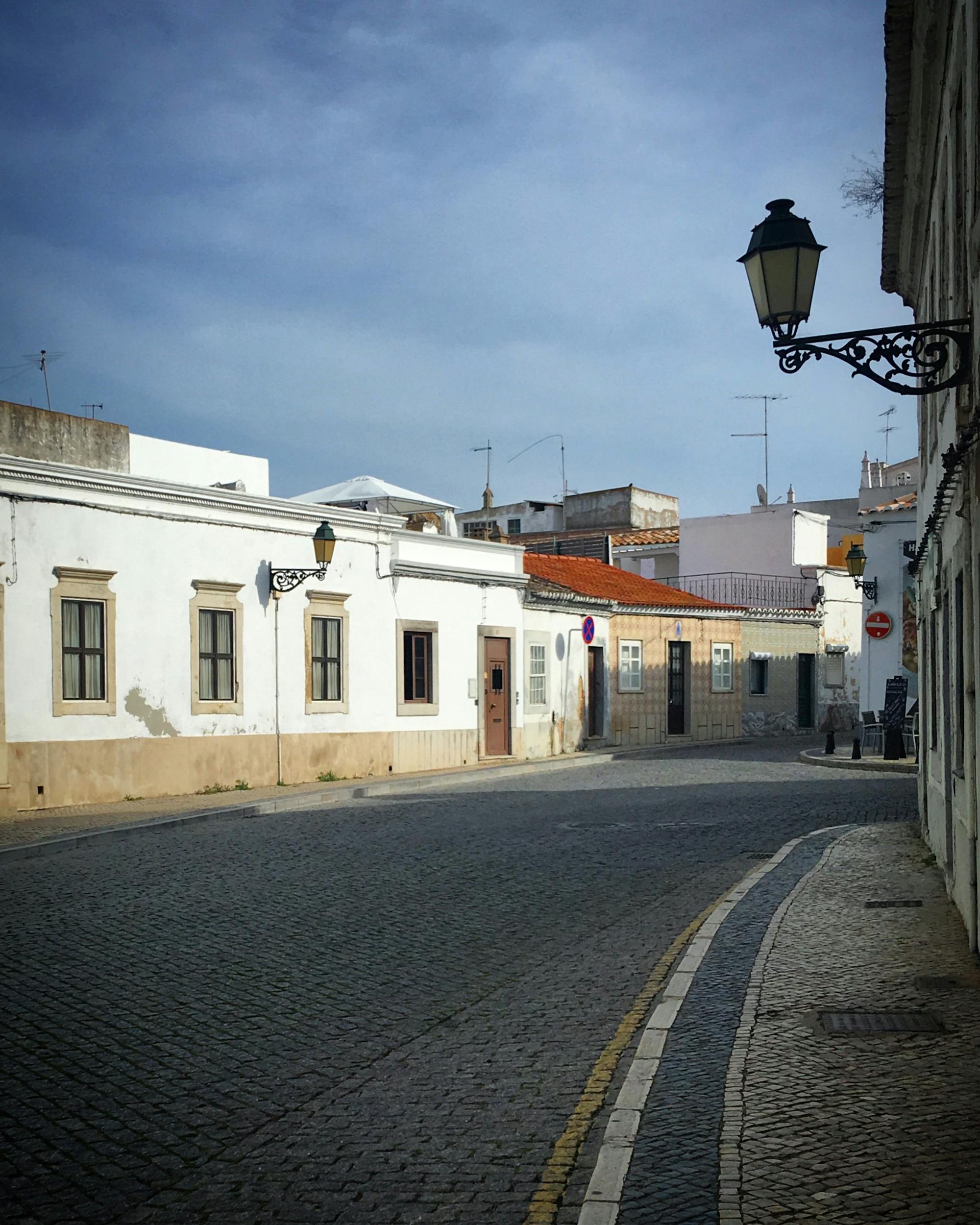
The best time to visit Faro is April through June or September through October, when these shoulder months deliver the finest combination of warm sunshine, an excellent sea temperature for swimming, uncrowded beaches and attractions, and the lowest accommodation prices. Faro averages over 3,000 hours of sunshine annually, making it genuinely enjoyable even in January and February.
The best time to visit Faro is April through June or September through October. These shoulder months deliver the finest combination of warm sunshine, an excellent sea temperature for swimming, uncrowded beaches and attractions, and the lowest accommodation prices relative to the summer peak. The Algarve is one of Europe's sunniest regions year-round — Faro averages over 3,000 hours of sunshine annually — making it genuinely enjoyable even in January and February, when mild temperatures and low prices attract winter sun seekers from across northern Europe. Faro as a city destination rather than a pure beach resort is rewarding in all seasons, with its old town, museums, and Ria Formosa boat trips unaffected by season.
Best Time to Visit Faro: Spring (March–May)
Spring is often the best time to visit Faro for sightseeing and outdoor activities, and one of the finest seasons to visit Faro and the eastern Algarve. March brings the almond blossoms — the Algarve's spectacular natural flowering, most visible in the hinterland between Faro and Silves — and pleasant weather, with temperatures that climb quickly from 15°C toward the low 20s, plus sunny days that suit coastal walks. The sea is still cool (16–18°C) in March and April but warming rapidly. May is perhaps the ideal Faro visit month: warm and sunny (22–24°C), the sea approaching 19–20°C, accommodation prices at shoulder season levels, and the Ria Formosa in its full spring birdwatching glory as migratory birds fill Ria Formosa Natural Park; it also suits beach lovers seeking beach time before the high season and larger crowds. Easter week brings increased domestic Portuguese tourism but without the intensity of the summer international peak.
Summer (June–August): Sunny Days
June sees the Algarve's beach season properly begin — Praia de Faro becomes the main summer beach reference for swimming and water sports, sea temperatures reach 21–22°C, long evenings encourage late dining and the passeio (evening stroll) along the waterfront, and all boat trip operators are running their full programme from Faro Marina into the Ria Formosa. July and August are the summer months and the peak tourist season: temperatures average 28–32°C (occasionally higher inland), the sea reaches 23–24°C, and both the barrier island beaches and the city are at their busiest, so expect larger crowds and higher prices. On calm days, beachgoers can still find pristine beaches and crystal clear waters. Accommodation prices in Faro are noticeably lower than in Albufeira or Lagos even in peak summer, making it a relatively good-value base. The hot, dry summer conditions in the Algarve occasionally bring wildfire risk in the hinterland hills — check local alerts before planning inland hiking.
Autumn (September–November): Fewer Crowds
September is a superb month in Faro if you want fewer crowds and pleasant weather. The sea is at its warmest (23–24°C), summer crowds have largely departed, and accommodation prices begin falling from their July–August peaks. October delivers golden light, slightly cooler temperatures, and warm days (22–25°C), with average temperatures ranging lower than summer while still comfortable and a sea still warm enough for comfortable swimming through most of the month. The Ria Formosa birdwatching is at its finest in September and October as migrating species pause in the lagoon system; flamingos are particularly visible in autumn. November cools to 17–20°C, with daytime temperatures still mild, and the first autumn rains arrive, bringing some rainy days, typically as occasional heavy showers rather than prolonged grey periods. The city's restaurants, museums, and cultural life continue uninterrupted through autumn. It is also a great season to explore the surrounding area, including inland villages, on a day trip.
Winter (December–February): Off Season
Faro's winter is the mildest in mainland Portugal, and with Faro Airport serving as the region's international airport in the regional capital of the Algarve, January averages 15–17°C with frequent sunshine, making it one of the most reliable winter-sun destinations in Europe accessible to northern European visitors without a long-haul flight. The Algarve's orange and lemon harvest peaks in winter, and the markets are filled with exceptional local citrus. Rainfall increases through December and January, but average temperatures stay mild and showers are typically intermittent rather than persistent — a rainy morning in Faro generally clears to a sunny afternoon. Hotel prices in January and February can be 50–60% below peak summer rates. Faro Portugal is worth visiting in the off season for fewer tourists, and winter is a pleasant place to spend time in the historic old town, especially around old town landmarks such as Arco da Vila and Faro Cathedral, where bell tower views are a real treat on clear days. The barrier island beaches are deserted and dramatically beautiful in winter for walking, and the Ria Formosa wetlands are at their most productive for birdwatching.
What to Avoid and the Best Time to Visit Off-Peak
The best time to visit Faro depends on your priorities: peak summer brings larger crowds, while shoulder months mean fewer tourists. Avoid peak August if your priority is exploring the Ria Formosa in peace — boat trips to Ilha Deserta and Ilha Barreta can feel crowded in high summer and should be booked in advance. The western Algarve resort towns (Albufeira, Armação de Pêra, Lagos) are vastly more crowded than Faro in summer; if those are on your itinerary, base yourself in downtown Faro and the old town for calmer evenings and sightseeing, and take day trips rather than staying in the resort towns themselves. The historic core of Vila Adentro, including Faro Cathedral and Arco da Vila, is worth visiting. For the absolute best value and uncrowded conditions, January and February deliver mild weather, completely empty beaches, and prices at their year's lowest — an excellent choice for walkers, birdwatchers, and travellers who prioritise culture and quiet over beach life. It is also a good time to visit for a boat tour in Ria Formosa, a trip to Praia de Faro, or discovering hidden gems nearby. Faro Portugal sits on the Atlantic Ocean and remains worth visiting year-round depending on whether you want sunny weather, local food such as pastel de nata, or quieter exploration.