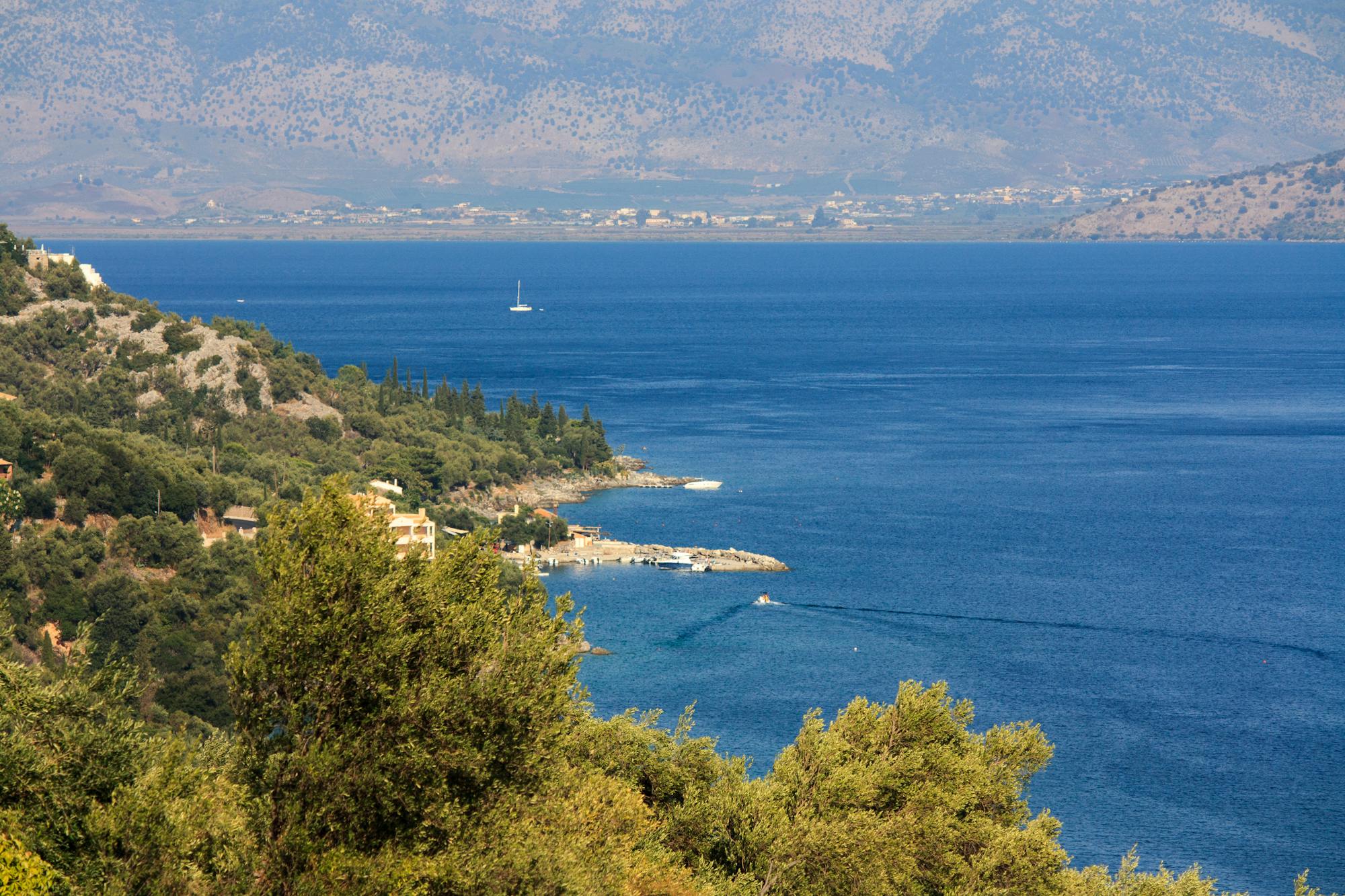
Greece enjoys one of the finest climates in Europe, with long hot summers, mild winters, and over 300 days of sunshine per year. The best overall times to visit are May–June and September–October — when temperatures are warm but not overwhelming, the sea is swimmable, crowds are manageable, and prices are significantly lower than July–August peaks.
Best Time to Visit Greece: Spring (April–June)
Spring is arguably the best time to visit mainland Greece and the islands, and an excellent time to visit Greece for travelers who want easy sightseeing and scenic landscapes. April sees wildflowers blanket the hillsides of Crete and the Peloponnese, with mild temperatures of 18–24°C and fewer crowds. The sea is cool in April but warms rapidly through May. By May and June, especially late spring and early June, conditions are near-perfect across most of Greece: warm, sunny days (24–28°C), comfortable weather, comfortable evenings, a swimmable sea (22–24°C by June), and the tourist infrastructure fully open without the summer crush. Athens is particularly pleasant in spring — ideal for sightseeing without the heat. It's also one of the best seasons for exploring archaeological sites in clear, pleasant conditions. Greek Easter (moveable, usually April or early May) is a major cultural event, with Holy Week bringing atmospheric candlelit processions and lamb roasts; some accommodation books up months in advance for Easter weekend.
Summer (July–August, peak season)
July and August are the summer season, peak season, and the heart of the tourist season in Greece: intensely popular, intensely hot, and intensely busy. The meltemi wind, which blows strongly across the Aegean from July to mid-August, provides some relief from the hot weather and warm temperatures on the Cyclades, but this is also when demand is in full swing and sea crossings can turn rough. Athens in August is brutally hot and many Athenians flee to the islands, leaving the city quieter than usual. The islands are at maximum capacity — Mykonos, Santorini, and Rhodes are particularly congested — as tourists arrive for summer holidays, and prices for accommodation and ferries are at their peak. The sea reaches a gloriously warm 26–28°C in August, with clear skies, abundant sun, lively beaches, and ideal conditions for water activities. Come in summer for the full Greek beach holiday experience, but book everything months in advance, as Greece offers its classic beach-and-island escape at this time.
Autumn (September–October)
September is one of the best time windows and an ideal time, especially if you're deciding on the time to visit Greece in September or early autumn. Temperatures remain hot (26–30°C), the sea is at its warmest (25–27°C), and this part of the shoulder seasons brings lower prices with significantly thinned crowds after August and extraordinary light.
October is warm and pleasant (18–24°C), and fall brings cooler temperatures and cooler weather while still allowing excellent swimming through mid-month; autumn rains begin on the mainland and some northern islands from late October.
The grape harvest is underway on Santorini and other wine islands in September — a wonderful time for food and wine tourism across the country, and a chance to see more of this beautiful country beyond the beaches.
Many island hotels and restaurants close from late October or November as some destinations begin shifting into the off season and the wider low season.
Winter (November–March, time to visit Greece)
The best time to visit Greece depends on your priorities: in winter, January can suit budget and city-focused travel, with mild weather, occasional rain, sunnier days in Athens, and drier periods in some other regions, but most island tourism infrastructure closes entirely. Athens is the main destination for winter visitors — the archaeological sites are quieter than at any other time of year, accommodation prices are at their lowest, and the city's museums, restaurants, and cultural life continue uninterrupted, making it a great time for a city trip with fewer crowds.
A week in Athens can also include a day trip to Delphi or nearby sites.
Thessaloniki is excellent in winter: a thriving urban destination with fine Byzantine sights, superb food, and a lively local culture. For skiing, Mount Parnassus near Delphi and resorts in northern Greece offer reasonable winter sports. The Ionian Islands, which receive more rainfall than the Aegean, are less appealing in winter.