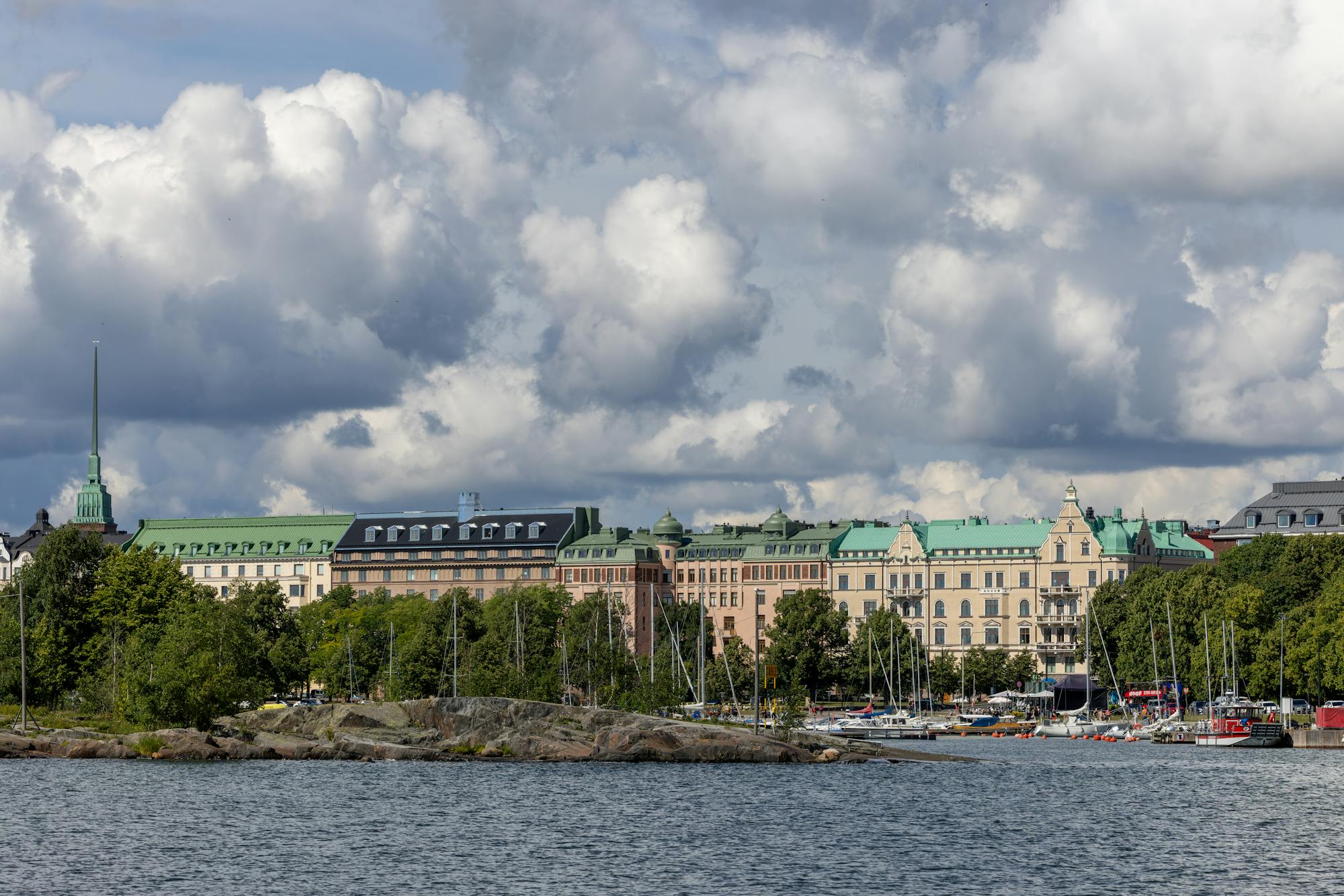
The best time to visit Helsinki is June through August for the midnight sun, island archipelago life, outdoor festivals, and the city at its most joyful — or September through October for autumn colours, Helsinki Design Week, and comfortable temperatures without peak-season crowds. Winter visits are for the adventurous: temperatures drop well below zero, but the sauna culture, festive December atmosphere, and potential northern lights sightings offer compelling rewards.
- Best time to visit: June through August — or September–October for autumn colours and fewer crowds
The best time to visit Helsinki is June through August for the midnight sun, island archipelago life, outdoor festivals, and the city at its most joyful — or September through October for autumn colours, Helsinki Design Week, and comfortable temperatures without peak-season crowds. Winter visits are for the adventurous: temperatures drop well below zero, but the sauna culture, festive December atmosphere, and potential northern lights sightings offer compelling rewards.
Best Time to Visit Helsinki: Spring (March–May)
Spring is late and tentative in Helsinki after a long winter — March and even April can still bring snow and temperatures below zero. By May, however, the city transforms remarkably: the harbour ice melts, the archipelago ferry services resume, and this is when the snow melts in southern Finland, while Helsinki's parks and waterfront come alive with the relief of having survived another Finnish winter. The Vappu / Labor Day celebration on April 30th–May 1st is Finland's most festive street event — students in white graduation caps picnic in Esplanade Park, and the city drinks together in an atmosphere of collective joy. May temperatures reach 12–16°C and the evenings begin to extend dramatically — by mid-May there are more daylight hours for sightseeing, and by late May it stays light until 10pm, increasing noticeably week by week.
Summer (June–August) and the Midnight Sun
Helsinki is worth visiting year round, but summer is the high season when the city lives outdoors with remarkable intensity. The midnight sun (the sun doesn't fully set for several weeks around the summer solstice) creates a dreamlike quality, with golden light at midnight that feels otherworldly to visitors. Temperatures reach 22–26°C in July, the warmest month and often the hottest month. The archipelago islands fill with boats, kayakers, and picnickers; outdoor swimming in the sea and at the Allas Sea Pool is daily life, especially in warm weather and for outdoor activities. The Flow Festival in August is Finland's premier international music festival — three days of indie, electronic, and jazz across multiple stages in an old power plant complex, when summer is in full swing and brings many festivals. Midsommar (late June) sees Helsinkians exodus to summer cottages across Finland, as Finns celebrate by heading to lakeside cabins — the city briefly quiets, which is paradoxically pleasant for sightseeing, and early August can feel slightly calmer than peak season. Helsinki Day (June 12) celebrates the city's birthday with free events citywide.
Autumn (September–November) and the Shoulder Season
September is a lively shoulder season month in Helsinki, with fewer crowds than midsummer but the city's arts season still launching in full force, and Helsinki Design Week in September is the Nordic region's largest design festival, spreading across the Design District with exhibitions, studio opens, and events. The archipelago has a dramatic autumn beauty — stormy Baltic skies and amber-lit islands. October brings Finland's spectacular ruska (autumn colour season) — around Helsinki, the colour is usually best in early October, and Nuuksio National Park 30km from the city turns extraordinary shades of red, orange, and gold. November is dark and cold (3–6°C) and part of the low season, with short days, only 6–7 daylight hours, and reduced hours at some attractions — not the most comfortable time to visit or best for sightseeing, though the cultural programme is at full strength.
Winter (December–February) and Northern Lights
Helsinki winter requires proper preparation — January temperatures have an average temperature of about -5°C, with occasional drops to -15°C, and February is often the coldest month of the winter months — but offers unique rewards, even if climate change has made snow conditions less predictable than before, especially around the first snow. The Christmas market at Senate Square, with the illuminated Cathedral as backdrop, is one of the most beautiful in Northern Europe, and mulled wine adds to the seasonal atmosphere. Ice fishing on frozen bays, cross-country skiing in Central Park, ice skating, and other winter activities and winter sports, plus walking on the frozen sea (guided tours available), are distinctly Finnish experiences. The sauna culture is at its most essential in winter — the contrast of extreme heat followed by plunging into an ice hole (avanto) is a classic Finnish rite. The possibility of northern lights (aurora borealis) sightings — rare in Helsinki itself but more likely under clear skies; many travellers head to northern Finland, especially near the Arctic Circle, where the northern lights dancing are more reliable — makes winter visits compelling for some travellers. For that reason, some combine Helsinki with Lapland for ski resorts, dog sledding, and husky sledding.
Events and Festivals Calendar: Best Time to Visit
The best time to visit and the best month to visit Helsinki depend on the kind of trip you want to take, while the best time for you comes down to your priorities. The time to visit Finland also varies by region, and many travellers pair the capital with a wider plan to visit Finland; northern Finland follows very different seasonal rhythms, while summer beyond the city is shaped by the country's many lakes and classic log cabin stays.
Vappu / May Day (April 30–May 1): Finland's most exuberant street celebration — student traditions, outdoor picnics, and a city-wide festivity marking the arrival of spring. Flow Festival (August): Helsinki's premier international music festival — three days of internationally acclaimed artists in an architecturally striking urban venue. Helsinki Design Week (September): The Nordic region's largest design festival, spanning 11 days with 250+ events across the Design District and city. Lux Helsinki (January): A winter light festival illuminating Helsinki's most iconic architecture and public spaces with large-scale light art installations over five days.