Hoi An's climate is shaped by its position in central Vietnam, where two distinct monsoon systems create a more complex seasonal pattern than either the north or south of the country. The months of February through April are widely regarded as the sweet spot: warm, largely dry, and perfectly suited to cycling through the surrounding countryside, exploring the Ancient Town, and spending afternoons at the beach.
Hoi An's climate is shaped by its position in central Vietnam, where two distinct monsoon systems create a more complex seasonal pattern than either the north or south of the country. The town experiences a dry season from roughly February to July and a wet season from August to January — but with important nuances. The months of February through April are widely regarded as the sweet spot: warm, largely dry, and perfectly suited to cycling through the surrounding countryside, exploring the Ancient Town, and spending afternoons at the beach. Understanding the rhythm of Hoi An's seasons also means understanding the Full Moon Lantern Festival, which transforms the town on the 14th of every lunar month regardless of season.
Best Time to Visit Hoi An: Best Season to Visit
The best time to visit is February, March, and April. By February the worst of the wet season has passed, this period falls in the dry season in central Vietnam, mild temperatures stay warm but not oppressive (24–28°C), and the countryside glows in post-rain greenery. Hoi An emerges from the Tet holiday period with fresh lantern decorations still adorning the streets. March and April bring longer, sunnier days, pleasant weather, low rainfall, and ideal conditions for outdoor activities, from beach time at An Bang Beach to the clearest light for photography in Hoi An Ancient Town, a unesco world heritage site, with its golden-walled lanes. May, June, and July are also popular — still largely dry and warm (28–35°C), though from May to August humidity is high and temperatures rise significantly, with the summer school holiday crowds from Europe and Australia filling the beach resorts and supporting beach activities and water sports. Early morning in these months is particularly beautiful, with low light catching the colourful lanterns before the heat builds. A sunset boat trip along the Thu Bon River is another great warm-season option. Arrive early at the Japanese Bridge and the Tan Ky Old House to experience them without crowds.
Rainy Season/Monsoon Season
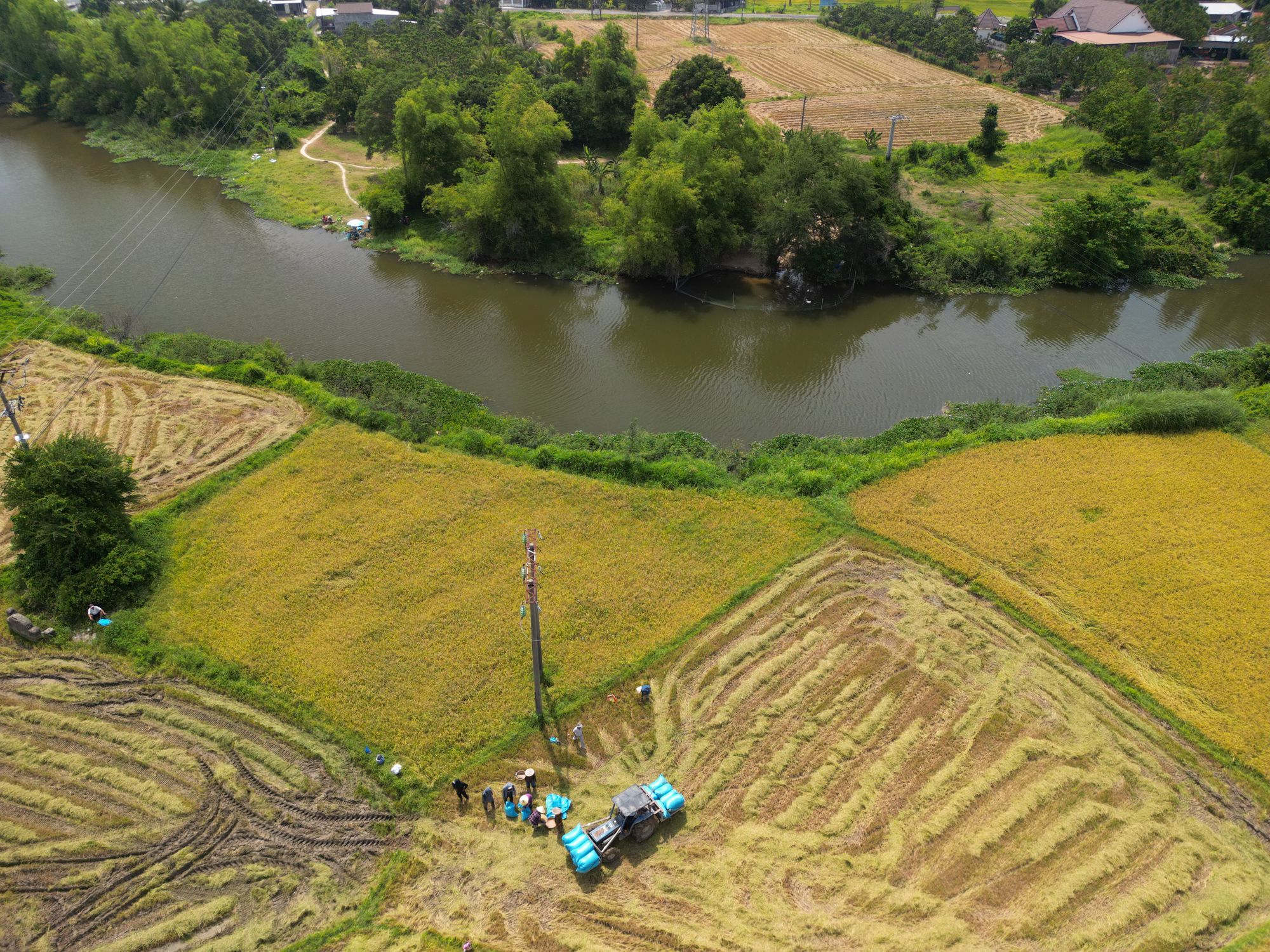
Central Vietnam's wet season effectively runs from September to January, with the heaviest stretch still peaking between October and December, and Hoi An has a tropical monsoon climate that is often the worst time for travelers who want reliable beach weather. The town has flooded significantly during typhoon events and other flood events — in some years the Ancient Town's ground-floor streets are inundated to ankle or knee height after heavy rains, and in severe years flood levels can reach up to two meters, with occasional flooding affecting daily movement and daily life, and local guesthouses keep rubber boots for guests. This sounds alarming, and during a typhoon event it genuinely is, especially from late October through mid-December. However, between typhoons and heavy rain events, with rainy days and cloudy skies adding to the atmosphere in October and November, those months can be partly sunny and enormously atmospheric: the rice paddies surrounding the town are lush and luminous, this is the low season, there are fewer tourists, and hotel prices drop by 30–50%. Many long-term travellers consider October–November — with its dramatic skies, quiet lanes, and bargain rates — among the most rewarding times to experience Hoi An. Always check the weather forecast and typhoon trackers (e.g., weather.com or Windy), and consider travel insurance for weather related cancellations if visiting during this window. Choose accommodation on high ground, outside the flood zone, check how far above sea level the property sits, with guesthouses north of Ly Thuong Kiet Street a safer example, and note that many businesses still operate during and after floods.
Peak Tourist Season in Hoi An
Hoi An's high season falls in two distinct windows. The February–April window sees high international tourist numbers, particularly Europeans on winter escapes, and hotel prices reflect this; these are also among the best months to visit for warm weather and sunny days. The July–August window is dominated by domestic Vietnamese tourists and visiting overseas Vietnamese (Viet Kieu), as well as European families during school holidays — An Bang and Cua Dai beaches are at their most crowded during this period, as these are among the hottest months and the hot weather drives beach demand. July and August can also be a good time for a day trip to Da Nang, when nearby beaches and outdoor sights are busy but still accessible. The Ancient Town's lanes can feel genuinely overwhelming between 10am and 4pm at peak times; for the Old Town, early starts are best, so be out exploring by 7am, retreat midday to a poolside lunch, and return to the streets for the magical 5–7pm golden hour. The Full Moon Lantern Festival on the 14th of each lunar month always draws a surge, with the town decorated in silk lanterns and floating candles on festival nights — book accommodation at least two weeks in advance for these dates and arrive at the riverside well before sunset.
Shoulder Season: Best Time to Visit
January and May represent the best shoulder season options. January is cool and dry (22–26°C), relatively uncrowded compared to the February peak, and, along with May, is a good time to visit Hoi An if you want comfortable conditions; by comparison, December is mild, with temperatures ranging from 20°C to 25°C, but January remains the better shoulder-season focus. Occasional rain can still occur early in the year, but it usually remains pleasant for walking and cycling. Hotel prices are moderate, and the cooler temperatures make long walks through the Ancient Town and bicycle rides to the countryside more comfortable. May sits between the spring peak and the summer school holiday rush — warm, mostly dry, and one of the milder months before the heat intensifies, with manageable tourist numbers, which makes it a perfect time to go before humidity levels are highest from June to August in Hoi An. It is also when the surrounding rice paddies are at their greenest and most photogenic, and when the beach at An Bang is warm enough for swimming without the peak-season crowds, which can make it feel like an ideal time for travelers who want manageable crowds.
March also hosts the annual Hot Air Balloon Festival, which is one reason some travelers extend a shoulder-season trip into early spring.
June also brings the Thu Bon River Worshiping Festival, giving early summer an added cultural draw.
Festivals and Celebrations in Hoi An Ancient Town
The Full Moon Lantern Festival (Hội An Đêm Rằm) is held on the 14th night of every lunar month — roughly monthly throughout the year. Electric lights are switched off in the Ancient Town, the streets glow with colourful lanterns, traditional music groups perform in the lanes, and thousands of paper lanterns float on the Thu Bon River; the night market is especially lively on festival evenings, making it a perfect time to experience the town after dark. It is one of the most beautiful experiences in Southeast Asia; the January, February, and March full moon festivals are particularly popular and crowded. Tet Nguyen Dan (Lunar New Year) in January or February transforms the town with flower markets, dragon dances, and family pilgrimages to the temples — the town is at its most festive in the week leading up to Tet, and it is a popular time to visit Hoi An for cultural immersion. The Mid-Autumn Festival in September brings lion dances and mooncake tastings, and it falls on the 14th and 15th of the eighth lunar month. Hoi An Cuisine Festival (typically April) celebrates the town's extraordinary food culture with street food stalls, cooking demonstrations, and cultural performances, and many visitors book cooking classes around this period. It is also a good time for daytime outings to son sanctuary or tra que vegetable village, with the surrounding vegetable village offering an easy cultural break between events. Vu Lan (Ghost Festival) in July or August sees locals make offerings at temples for the wandering souls of ancestors — a quieter, more local affair, and local guides can help visitors understand rituals and temple customs, but deeply atmospheric in the Ancient Town's pagodas. For broader planning, central Vietnam often stays more favourable even when monsoon rains affect ho chi minh city and the mekong delta farther south. cham island is best planned in good weather, when crystal clear waters make day trips, snorkeling, and other water-based activities most appealing.