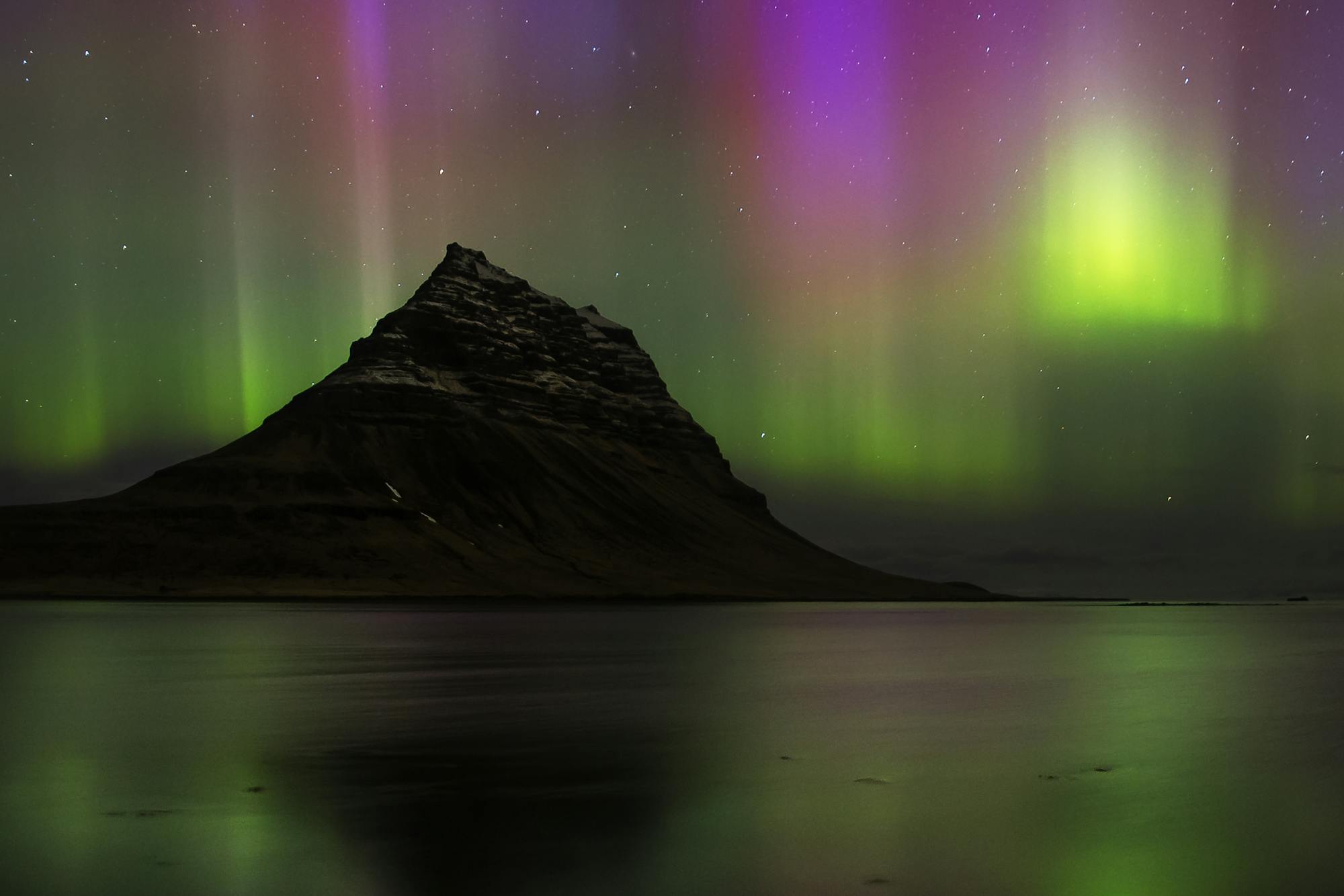
Iceland has two radically different faces depending on when you visit — visit June to August for the midnight sun, accessible highland roads, whale watching, puffin colonies, and the full glory of the Ring Road, or October to March for the Northern Lights, dramatic winter scenery, and a profound elemental solitude. There is no bad time to visit Iceland — only different reasons to go.
Iceland has two radically different faces depending on when you visit — and both are extraordinary. Visit June to August for the midnight sun, accessible highland roads, whale watching, puffin colonies, and the full glory of the Ring Road in emerald-green summer colours. Visit October to March for the Northern Lights, dramatic winter scenery, steaming hot springs glowing in the dark, and a profound, elemental solitude that summer cannot offer. There is no bad time to visit Iceland — only different reasons to go.
Spring (March–May)
Spring in Iceland is a transitional and often dramatic season. March still feels like deep winter in much of the country — snow, frost, and short days — but the Northern Lights remain visible until mid-April as darkness slowly retreats. By April, the days lengthen rapidly and the first signs of green appear on the lowland farms. The highland F-roads remain closed until June. May is a particularly exciting month: the landscape is thawing and green, waterfalls are at their most powerful from snowmelt, and migrating birds (including puffins, returning to Látrabjarg and the Westfjords from mid-May) begin arriving. Tourist numbers are lower than peak summer and prices are more reasonable. The weather is changeable and cold (0–10°C), so pack for all conditions.
Summer (June–August)
Summer is Iceland's most popular and most accessible season. The midnight sun means virtually continuous daylight around the summer solstice (June 21st) — the sun skims the horizon but never fully sets, creating ethereal golden light around the clock. The highland F-roads open in late June, making interior destinations like Landmannalaugar and the Laugavegur trail accessible. Puffins nest on coastal cliffs from May to August, easily viewed from Látrabjarg, the Westfjords, and the Snæfellsnes Peninsula. Temperatures reach 10–15°C (occasionally higher), wildflowers cover the hillsides, and the waterfalls, glaciers, and lava fields are all at their dramatic best. The downside: July and August are peak season with significantly higher prices and more crowded attractions, especially the Golden Circle and the Blue Lagoon. Book everything well in advance.
Autumn (September–November)
September is one of Iceland's most rewarding months. The summer crowds have retreated, highland roads are still open until October, temperatures are cool (5–12°C) but pleasant, and the first Northern Lights of the season begin appearing as darkness returns after the midnight sun period. The Icelandic landscape turns russet and gold in September, especially the highland areas. The Iceland Airwaves music festival in Reykjavik (October/November) is one of Europe's best — a long weekend of concerts in venues across the capital featuring Icelandic and international acts. October and November bring colder temperatures, the first snowfall at altitude, and excellent aurora probability as nights lengthen significantly.
Winter (December–February)
Winter Iceland is extreme, beautiful, and unforgettable. Temperatures drop to -5°C to 3°C, daylight is limited to 4–5 hours around the solstice, and F-roads are completely closed. But the rewards are extraordinary. Northern Lights hunting is the primary winter activity — Iceland's position just below the Arctic Circle and frequent clear winter skies make it one of the world's best aurora destinations. On clear nights, the lights can be seen from the Reykjavik suburbs; venture 30–60 minutes outside the city for spectacular displays. The geothermal pools — Blue Lagoon, Sky Lagoon, Mývatn Nature Baths — are at their most magical in winter steam and snow. Ice cave tours inside Vatnajökull glacier (accessible October to March) reveal electric blue crystal formations. Christmas in Reykjavik has a charming, cosy atmosphere with festive lights and the legendary Yule Lads folklore.
Events Calendar
Iceland Airwaves (October/November, Reykjavik): One of Europe's premier music festivals, showcasing Icelandic and global talent across venues throughout the capital for four days. Midnight Sun (June 21st): The summer solstice brings continuous light — the sun barely dips below the horizon and the golden hour lasts all night. First Day of Summer (April, third Thursday): A traditional Icelandic holiday celebrating the arrival of summer with parades and festivities. Reykjavik Culture Night (August): The city opens its museums, galleries, and public spaces for a free all-night cultural celebration.