Indonesia straddles the equator across three time zones, and its weather patterns vary significantly by region — there is no single best time to visit the whole archipelago. For Bali and Java, the dry season from May to September offers the most reliable sunshine, while diving and snorkelling timing depends heavily on the specific destination.
Indonesia straddles the equator across three time zones, and its weather patterns vary significantly by region — there is no single best time to visit the whole archipelago. For Bali and Java (including Yogyakarta and Borobudur), the dry season from May to September offers the most reliable sunshine and the best conditions for temple visits, volcano treks, and beach activities. July and August are the absolute peak months for international visitors, with prices at their highest and popular sites most crowded. The wet season from October to April brings daily rainfall but also lush green landscapes and lower prices — many experienced travelers prefer the wet season in Bali for its reduced crowds and atmospheric quality.
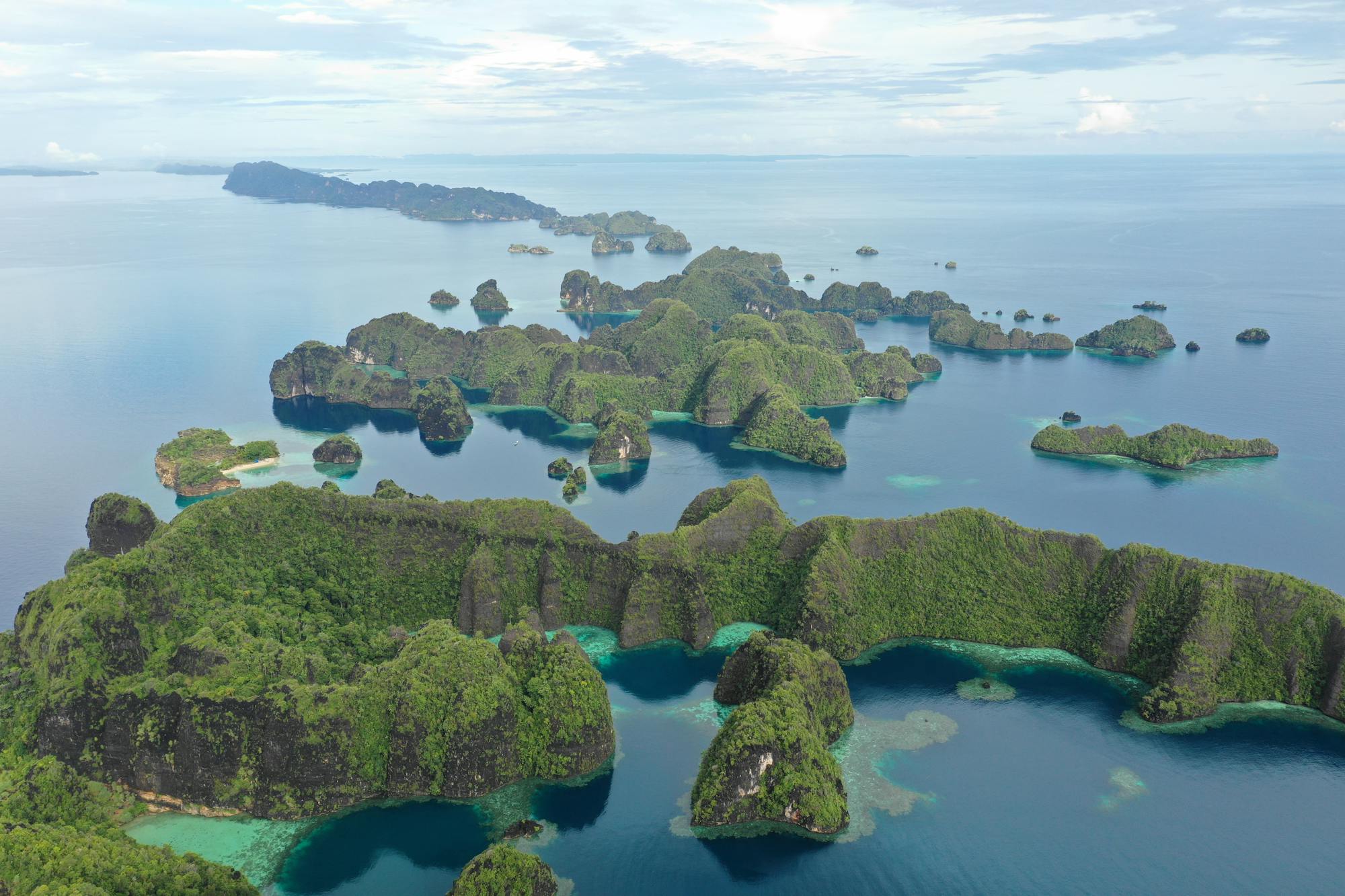
For diving and snorkeling destinations, the timing depends on the specific location. The Komodo National Park is best visited from April to December when seas are calmer and visibility is best — the wet season brings rougher conditions to the Flores Sea. Raja Ampat has two distinct seasons: the dry season from October to April (best for diving visibility) and the wet season from May to September (better for whale shark sightings). The Coral Triangle waters are warm year-round, so water temperature is rarely a limiting factor. Borneo's orangutan viewing is generally best during the dry season (March to October in Sabah, June to September in Kalimantan) when the animals are more active and easier to spot.
Indonesian national holidays and cultural events can significantly affect travel planning. The Galungan and Nyepi festivals in Bali (dates vary by year) bring extraordinary cultural experiences but also temporary closures — Nyepi, the Day of Silence, shuts the entire island for 24 hours including the airport. Idul Fitri (Eid al-Fitr) at the end of Ramadan sees massive domestic travel that can overwhelm transport links and accommodation — book well ahead if traveling around this period. For most international visitors, the practical advice is to research the specific region they plan to visit and check both the local weather pattern and any major festival dates before booking. Indonesia's welcome is genuinely warm and remarkable year-round.