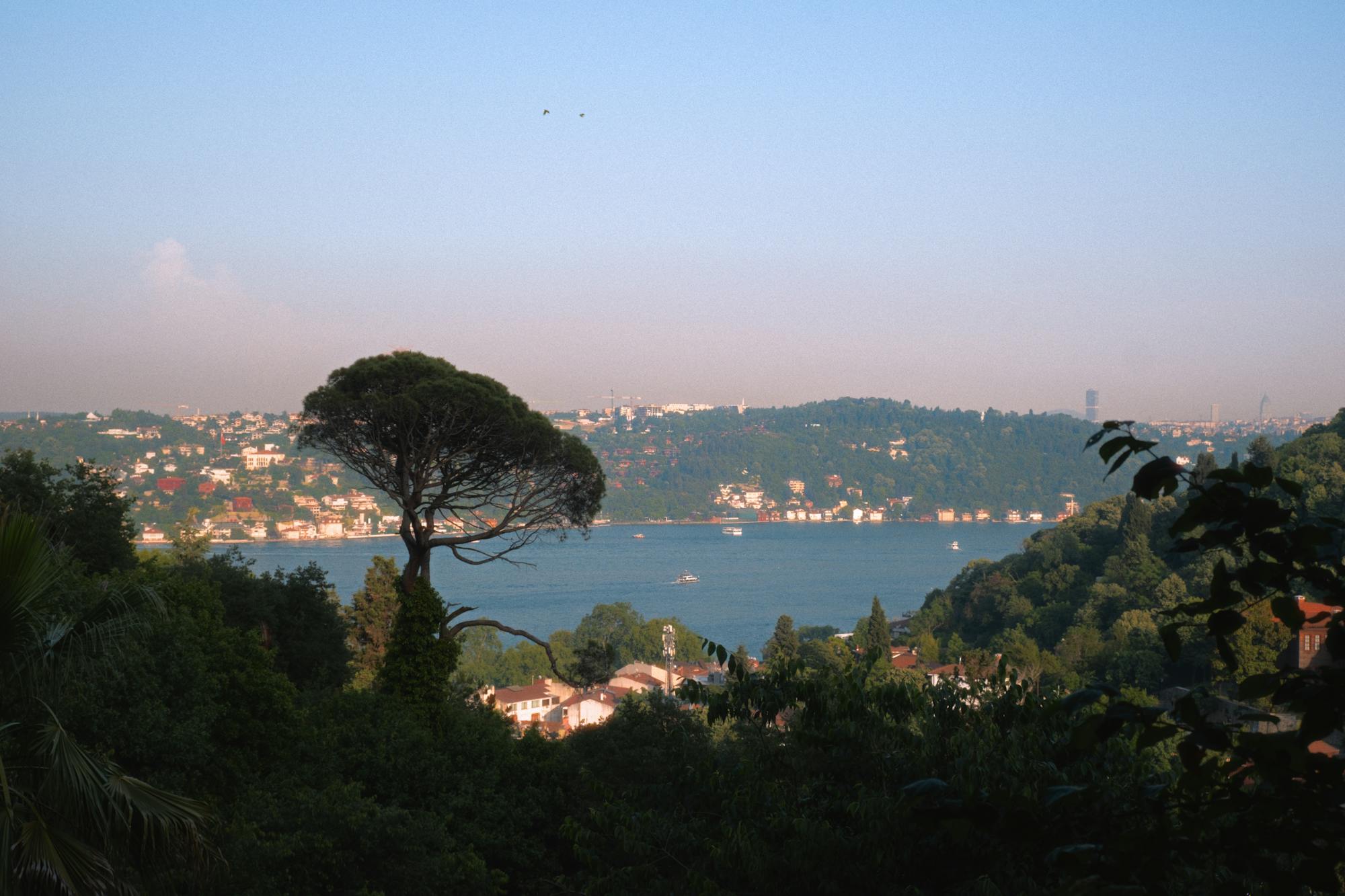
Istanbul rewards visitors in almost every season, but the timing of your trip will define the experience. Spring — specifically April and May — is the city at its finest: the Istanbul Tulip Festival fills parks with millions of blooms, temperatures hover around 16–20°C, and the crowds have not yet arrived in full summer force. Autumn (September to November) offers a second sweet spot, with warm Bosphorus breezes, fewer queues at major monuments, and some of the year's best seafood as the fishing season opens.
Best Time to Visit Istanbul
The best time to visit Istanbul is April–May or September–October, the ideal time for most visitors thanks to pleasant weather and fewer crowds. Spring brings tulips to its parks (Istanbul was the original home of the tulip before it reached the Netherlands) and mild average temperatures that suit a trip focused on sightseeing and major attractions. Autumn offers golden light, lower humidity than summer, and the resumption of cultural events after the quiet August lull. Summer is hot, crowded, and expensive in peak season; winter is quiet and atmospheric but cold and rainy in the low season.
Spring (March–May)
Spring is widely considered Istanbul's finest season. March can still be cool and wet, but from March to May average temperatures generally range from 10°C to 21°C, and by April the city erupts in colour — the annual Istanbul Tulip Festival sees over three million blooming tulips in parks across the city, particularly in Emirgan Park on the Bosphorus. May is arguably the best month of all: warm sunny days around 20–23°C, the Bosphorus glistening, Bosphorus cruises becoming a popular way to enjoy the water, outdoor café terraces full of life, and the city's atmosphere in full swing, with crowds still noticeably smaller than in summer. Queues at Hagia Sophia, Topkapi Palace, and the Blue Mosque are shorter in spring than at any other busy time of year. Book accommodation well in advance for late April, as this is peak tourist season.
Summer (June–August)
Summer in Istanbul is hot, humid, and busy, with typical summer temperatures reaching 28–30°C (82–86°F) before hotter spikes in July and August regularly top 30–33°C. Outdoor dining is a major part of summer life. The city is filled with international tourists and Turks returning from abroad. Hagia Sophia queues can stretch for hours, and hotel prices are at their peak. That said, summer has genuine appeal: the Bosphorus comes alive with boat traffic, rooftop bars and waterfront restaurants are fully open, and ferries to the Princes Islands are a popular escape from the city heat. The Istanbul Jazz Festival (July) brings world-class acts to open-air venues across the city.
Autumn (September–November)
September sees summer's heat fade to very comfortable temperatures of 22–26°C, with fall generally ranging between 20°C and 30°C, while tourist numbers drop significantly after the European school holidays end. This shoulder season offers the near-perfect combination of good weather, shorter queues, and more reasonable prices, making it ideal for budget conscious travelers who want value without sacrificing good conditions. October is superb — warm golden days, the Bosphorus at its most photogenic, and the Istanbul Biennial (held in odd-numbered years) bringing contemporary art to unexpected venues across the city, with dining al fresco adding to the season's appeal. Late October also brings Republic Day to the city's calendar, along with chances for al fresco evenings around lively neighborhoods. November turns cooler and rainier, but the city takes on an intimate, authentic character as tourists thin out further. Cooler weather arrives, and the Istanbul Marathon is held annually in November. That makes it a wonderful time for travelers seeking quieter attractions and a calmer atmosphere.
Winter (December–February)
Winter in Istanbul is underrated. Temperatures range from 8–12°C (46–54°F), and Istanbul experiences its highest rainfall in winter months, while even snow occasionally dusts the minarets and domes in a scene of extraordinary beauty. Tourist numbers are at their lowest, meaning you can visit Hagia Sophia and the Basilica Cistern almost alone. Indoor attractions are especially appealing at this time, with the Grand Bazaar as a classic example. Hotel prices drop significantly, making luxury properties accessible at mid-range prices. The city's café and meyhane culture feels especially inviting in winter, with cozy cafés and festive lights adding to the mood. January and February are the quietest months — perfect for budget travellers and those seeking an authentic, unhurried Istanbul experience.
Local Events and Festivals
Istanbul has a rich calendar of key events throughout the year. The Istanbul Tulip Festival (April) transforms the city's parks into seas of colour and is one of Turkey's most photogenic events. The Istanbul International Film Festival (April), one of Europe's most respected film festivals, screens over 200 films across cinemas in Beyoğlu. The Istanbul Music Festival (June) features classical and world music concerts in spectacular venues including Hagia Eirene church. The Istanbul Jazz Festival (July) draws major international acts. The Istanbul Biennial (September–November, odd years) is one of the world's leading contemporary art events. During Ramadan (dates vary annually), the Old City takes on a particularly special atmosphere after sunset, and these seasonal celebrations can shape the timing of a visit for travellers planning around cultural highlights.