Jaipur sits on the edge of the Thar Desert, giving it one of India's most dramatic seasonal temperature ranges — from pleasant 15°C winters to sweltering 45°C summers. The best time to visit is October to March, when cool, dry weather makes outdoor exploration of the city's forts and bazaars genuinely comfortable.
Jaipur sits on the edge of the Thar Desert, giving it one of India's most dramatic seasonal temperature ranges — from pleasant 15°C winters to sweltering 45°C summers. The best time to visit is October to March, when cool, dry weather makes outdoor exploration of the city's forts and bazaars genuinely comfortable. Summer visits are possible but demand heat management, while the monsoon brings green beauty to the Aravalli hills but can disrupt travel plans.
Best Time to Visit Jaipur: High Season (October–March)
Jaipur has three distinct seasons, with late October to March standing out as the most favorable stretch as post-monsoon humidity fades and temperatures drop below 30°C. November through February is the best time to visit and the best season, with pleasant weather, cooler weather, comfortable weather, and the best climate for sightseeing: daytime temperatures of 15–22°C, virtually no rain, clear blue skies, and the warm pink sandstone of the forts glowing magnificently in winter light. January is the coolest month — evenings can drop to 5–8°C, so bring layers — but cool mornings are ideal for visiting Amber Fort before the tour groups arrive, and the city still enjoys comfortable evenings. The forts, palaces, and bazaars are all fully accessible, and popular attractions such as City Palace and Hawa Mahal are easiest to enjoy in this period; camel and elephant rides operate, and the full calendar of cultural activities is running. February is particularly lovely as temperatures begin to rise gently and the mustard fields around Jaipur turn golden. This is also peak season and the peak tourist season, so expect larger crowds.
Monsoon Season/Summer Season
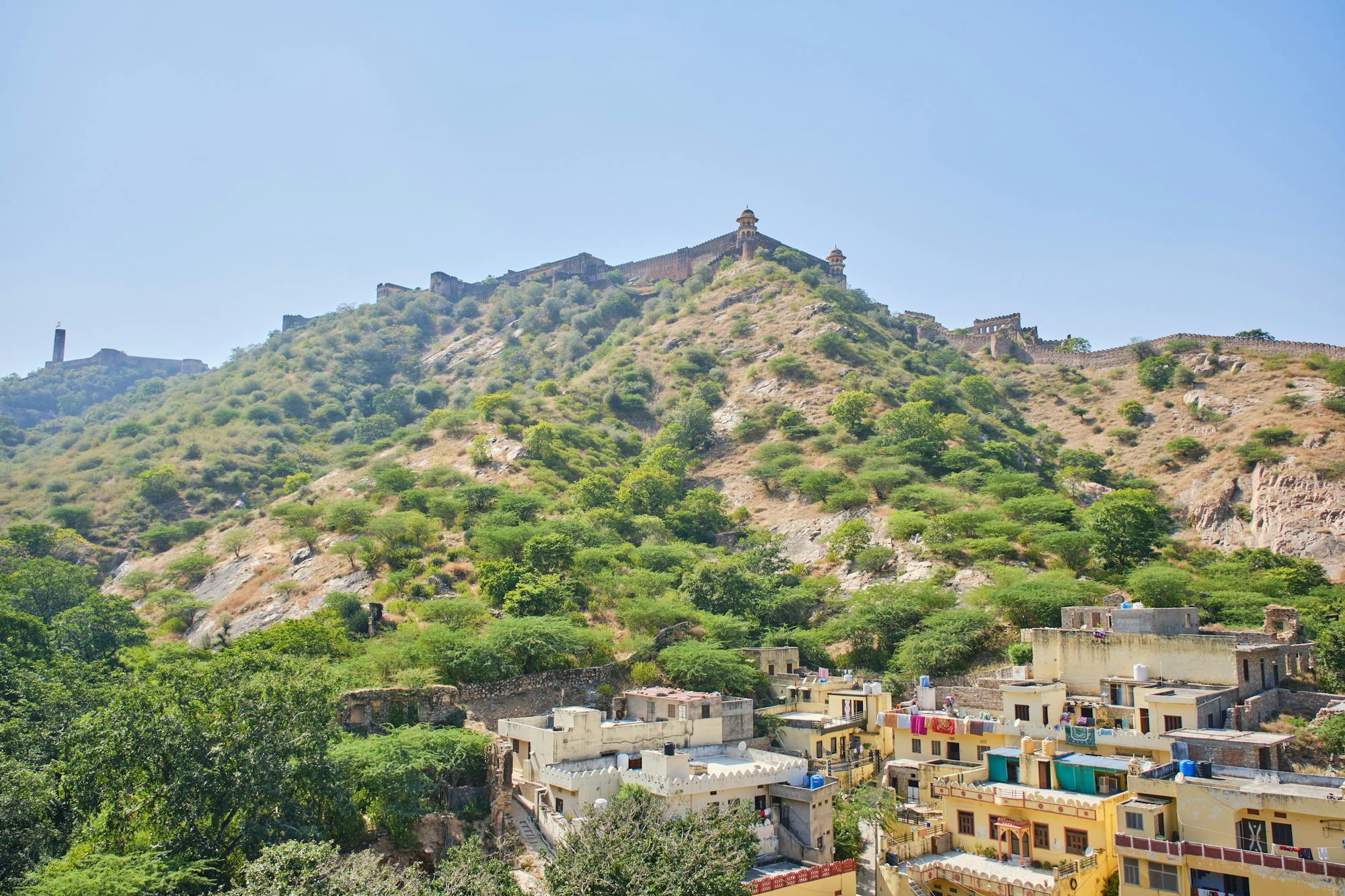
Summer months in Jaipur bring severe Jaipur weather, and the city's semi-desert region is why this season feels so harsh. April starts pleasantly enough at 30–35°C, but by May—one of the hottest months—temperatures regularly hit 43–45°C, with hot winds (loo) adding intense heat and intense summer heat that can become extremely uncomfortable during afternoon hours. Rajasthani monuments have little shade, so sightseeing requires early starts (before 9am) and long afternoon breaks to avoid heat strokes and drink lots of water. The monsoon season arrives around July, breaking the heat dramatically but bringing heavy downpours and changing weather conditions. The landscape transforms spectacularly — Amber Fort's hillside turns green, the Maota Lake fills, and the Aravalli ridgeline becomes lush. August is the wettest month with intense afternoon rain showers. Outdoor attractions remain open but can be slippery.
Shoulder Season and Peak Season
September and early October offer excellent value for budget travel, suiting budget travellers thanks to lower hotel prices. The monsoon withdraws from Jaipur around mid-September, leaving the city greener than at any other time of year, crowds much thinner than winter, and making sightseeing and planning more hassle free for relaxed exploration. The light in September–October has a particular quality that photographers love — warm, golden, and haze-free. March and early April are another good window: Holi has passed, though seasonal festivals can still affect travel plans, temperatures are rising but remain manageable below 35°C, and the city has plenty of energy before the tourist high season fully ends. For travelers who want value over peak crowds, these shoulder months are also a good time to visit Jaipur.
Religious Festivals and Kite Festival Impact
Diwali (October/November) falls during Jaipur’s festive season and is one of its major festivals — the old city's bazaars are lit up magnificently and the forts are illuminated at night. The festival creates a special atmosphere but also fills the city; book accommodation far in advance, as these dates bring larger crowds to the city's main tourist destinations and popular attractions. Holi (March) is spectacular in Jaipur — celebrations with water and colour through the old city are joyful and uniquely Rajasthani, and many travelers come then for deeper cultural experiences tied to Indian culture. The Teej festival (July/August), celebrating the arrival of monsoon, sees elaborately dressed women in traditional processions through the old city, along with lively cultural events unique to Rajasthan.
Key Events and Celebrations: Jaipur Literature Festival
The Jaipur Literature Festival (January, Diggi Palace), also known as Jaipur Literature Fest, is the world's largest free literary event, drawing authors and readers from across the globe for five days of discussions and performances; it's one of Jaipur’s major cultural experiences and can define a Jaipur trip. Accommodation in Jaipur fills completely — book months ahead. The Pushkar Camel Fair (November), while held in Pushkar 150 km away, has a major effect on Jaipur accommodation as many visitors use it as a base. Many travelers also pair Jaipur with the Golden Triangle, including the Taj Mahal, on the same trip. The Kite Festival (Makar Sankranti) on 14 January sees thousands of kites fill the sky above Jaipur's old city rooftops — one of Rajasthan's most visually joyful annual events — and it's also a great time to see the Pink City's highlights like Jal Mahal, Albert Hall, Nahargarh Fort, and Jaigarh Fort, plus scenic viewpoints around Amer Fort. Jaipur also works especially well for family vacations, from luxury hotels to heritage sightseeing.