Japan rewards visitors in every season, but choosing when to go shapes your entire experience. The best time to visit Japan depends on what you're after: spring's iconic cherry blossoms, the fiery reds and golds of autumn foliage, lively summer matsuri festivals, or the serene stillness of a snow-covered Japanese garden.
Best Time to Visit Japan: Four Seasons and What to Expect
Japan has four distinct seasons, and each transforms the country into something completely different. The two peak travel windows — spring (March–May) for cherry blossoms and autumn (October–November) for fall foliage — attract the largest crowds and command the highest prices. But every season has its own rewards, and knowing the trade-offs is how you find the perfect time for your trip.
Spring (March–May): The Best Time to Visit Japan
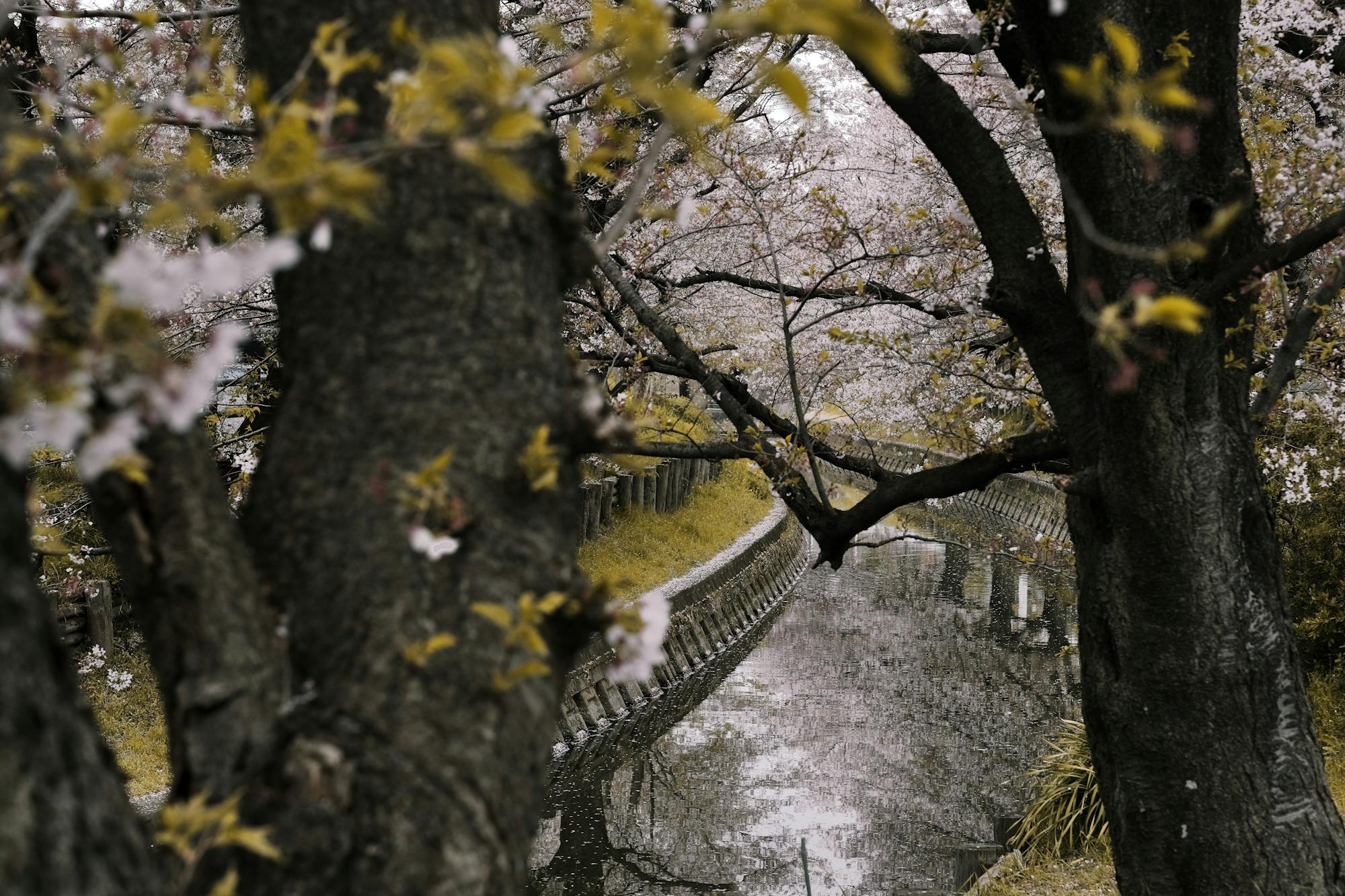
Spring is widely considered the single best time to visit Japan. The reason? Sakura — cherry blossoms. For roughly two weeks each year, Japan's cities, parks, and countryside erupt in pale pink and white, and the entire country gathers for hanami (flower-viewing) parties beneath the blossoming trees, making spring the high season for many international travellers. As the weather begins to warm, Japan begins to fill with visitors heading to parks and major cities.
Cherry Blossom Season by Region
Tokyo: Late March to early April. Ueno Park, Shinjuku Gyoen, and the Meguro River are the classic spots, and the last week of March often brings the first big blossom crowds in the capital.
Kyoto: Late March to early April. Maruyama Park, Philosopher's Path, and Arashiyama. Book accommodation 3–6 months in advance.
Osaka: Late March to early April. Osaka Castle Park's moat path is one of the most photogenic cherry blossom backdrops.
Hokkaido (Sapporo): Late April to early May, with northern Japan blooming later and giving travelers a chance to catch cherry blossoms after they fade elsewhere.
Hirosaki Castle (Aomori): Late April to early May. One of Japan's best castle-and-blossom combinations.
Late April and May offer warm temperatures, green landscapes, and far fewer crowds once cherry season winds down, and this is also when wisteria can reach full bloom. The downside: Golden Week (late April–early May) causes transport and hotel prices to spike. The first week of May is especially busy because of national holidays.
Summer (June–August): Festivals, Heat & Humidity
The summer months bring the hottest, most humid conditions of the year in Japan, especially in Tokyo and Osaka. But it is the season of Japan's extraordinary festival culture.
It is also a peak season for festivals, even if the weather is less comfortable than spring or autumn.
June: Rainy Season (Tsuyu)
June brings the rainy season to Honshu. Expect grey skies and daily showers for much of the month. Hokkaido skips the rainy season entirely. In many other destinations, June is also a low season option, with fewer tourists and less chance of running into big crowds.
July–August: Festival Season
Gion Matsuri (Kyoto, July): Japan's most famous festival, culminating in float processions on July 17 and 24.
Tanabata (nationwide, July 7): The star festival.
Obon (mid-August): Ancestral spirits welcomed home with lantern ceremonies and Bon Odori dances, though some regions observe it in mid July instead.
Hanabi (fireworks festivals): The Sumida River Hanabi in Tokyo (late July) draws nearly a million spectators.
Domestic tourism also surges around Obon and other major summer events.
Autumn (October–November): Fall Foliage Season
Autumn rivals spring as the best time to visit Japan. The koyo (autumn foliage) season paints the country in brilliant reds, oranges, and golds, and often brings blue skies and good weather for sightseeing. Some southern regions stay warmer later into the season, making them appealing beyond the main foliage corridor.
Autumn Foliage by Region
Hokkaido: Late September to mid-October.
Nikko (near Tokyo): Mid to late October.
Kyoto: Mid-November to early December. Tofuku-ji, Eikan-do, and Arashiyama transform into corridors of crimson and amber.
Tokyo: Late November to early December.
Hiroshima & Miyajima: Mid-November.
Winter (December–February): Snow, Onsen & Serenity
Winter falls in Japan's low season outside holiday dates, and it can be one of the most rewarding times to visit. Crowds at temples and shrines are thin, prices drop significantly (except over New Year), and the country takes on a serene quality under snow.
Snow in Kyoto: A light dusting of snow on Kinkaku-ji or the torii gates of Fushimi Inari is extraordinarily beautiful.
Skiing in Hokkaido: Niseko, Rusutsu, and Furano offer world-class powder skiing, and northern Japan is the country's hub for winter sports and snow sports, with famous ski resorts across Hokkaido.
Onsen season: Soaking in an outdoor rotenburo at hot springs while snow falls around you is a quintessential Japanese experience, and a mountain town setting is especially appealing in winter.
Sapporo Snow Festival (early February): Enormous snow and ice sculptures draw two million visitors.
The Japanese Alps are another standout winter area during the winter months.
Best Time to Visit Tokyo
The best time to visit Tokyo is late March to early April (cherry blossoms) or October to mid-November (autumn foliage and ideal temperatures). May is excellent for weather with no cherry blossom crowds.
Best Time to Visit Kyoto
Kyoto's best seasons mirror Japan's overall peaks — spring and autumn. Book accommodation 3–6 months ahead for both peak periods. January–February snow at Kinkaku-ji or Ginkaku-ji offers a beautiful low-crowd alternative.
When to Avoid Japan: Peak Domestic Travel Periods
Golden Week (April 29–May 5): Japan's biggest holiday cluster, spanning four national holidays in the first week of May, including Greenery Day and Children's Day. Book 2–3 months ahead or shift by a week.
This is one of the clearest examples of national holidays driving domestic tourism and higher prices.
Obon (mid-August): Major domestic return-home holiday.
Silver Week (late September): A holiday stretch that occurs in some years and can sharply increase travel demand when it does.
New Year (December 29–January 3): Many restaurants and attractions close.
Month-by-Month Quick Reference
This month-by-month view helps you compare Japan temperature wise and start planning.
Month | Weather | Crowds | Highlights |
|---|---|---|---|
January | Cold (2–8°C) | Low | Hatsumode, illuminations, ski season begins; mid January is one of the quietest and most budget friendly time windows of the year |
February | Cold (3–10°C) | Low–Medium | Sapporo Snow Festival, plum blossoms, skiing; the low-season bargain window usually runs from mid-January to early March |
March | Mild (8–15°C) | Very High | Cherry blossoms begin (late March), though early March is still relatively quiet before blossom demand ramps up |
April | Warm (13–20°C) | Very High | Peak cherry blossoms; Golden Week (late April) |
May | Warm (17–23°C) | Medium | Best weather, wisteria, green landscapes, and natural beauty beyond cherry blossoms with fresh greenery and spring flowers |
June | Warm & Wet (20–25°C) | Low | Hydrangeas, rainy season; Hokkaido is ideal |
July | Hot & Humid (25–32°C) | Medium | Gion Matsuri, summer festivals, fireworks |
August | Very Hot (27–34°C) | High | Obon, Hanabi fireworks, beach season |
September | Warm (22–28°C) | Low–Medium | Typhoon risk; early foliage in Hokkaido |
October | Pleasant (15–22°C) | Medium–High | Fall foliage begins, ideal weather |
November | Cool (10–18°C) | Very High | Peak autumn foliage, temple illuminations |
December | Cold (5–12°C) | Low | Christmas illuminations, quiet travel |