The best time to visit Kyoto is during cherry blossom season in late March to early April, or during autumn foliage in mid-November — though May and October offer the ideal balance of beautiful scenery, comfortable temperatures, and significantly fewer crowds.
Kyoto is home to more than 1,600 Buddhist temples and 400 Shinto shrines set among wooded hills, and few cities reward seasonal timing so generously — cherry blossoms and autumn foliage turn an already extraordinary place into something unrepeatable. The two peak windows — late March to mid-April and mid-November — are magical but extremely crowded. The ideal balance of season, crowds, and price falls in May and early October.
Best Time to Visit Kyoto: Spring (March–May)
Spring is often the best time to visit Kyoto and also its most crowded period. Kyoto's cherry trees typically open in the last days of March, reaching full bloom around ten days later in early-to-mid April — Maruyama Park with its famous weeping cherry tree lit by lanterns at night, the philosopher's path (Tetsugaku-no-Michi) along a canal lined with cherry trees, and the grounds of Heian Shrine are magical. Early spring can also be ideal for flower viewing before the main crowds arrive. March temperatures are cool (10–15°C), rising to comfortable walking conditions (16–20°C) by mid-April. The downside is substantial: accommodation books out months ahead, Kyoto's narrow lanes are gridlocked with tourists, and the experience requires careful early morning planning to enjoy major sites before the crowds, and arrive at Kiyomizu-dera, Fushimi Inari, or Arashiyama's bamboo grove before 8am to see them ahead of the tour groups — Maruyama Park itself is packed with picnicking hanami crowds by mid-afternoon. Late April and May are outstanding — fresh green shading replaces the blossoms, temperatures are close to ideal (18–24°C), and crowds fall away sharply. The azalea gardens of Shōden-ji and Tōfuku-ji bloom magnificently through this window.
Summer (June–August) and Rainy Season
Summer is Kyoto's most challenging season for tourists: June brings the tsuyu rainy season and building humidity, while July and August turn oppressively hot, with average highs around 33°C and typhoon risk rising from late August. The rainy season (tsuyu) runs through mid-June and into early july, often bringing frequent downpours. However, summer has genuinely unique rewards. The Gion Matsuri in July is Japan's most famous and spectacular festival — and the first half of the month already feels like festival season — running throughout the month with elaborate float processions (yamahoko junko) on July 17th and 24th, the streets fill with women in yukata and traditional food stalls. The atmospheric Daimonji Gozan Okuribi, held every year on 16 August to close the Obon festival, features enormous bonfires lit on five mountainsides — including the giant character '大' above Mount Nyoigatake — to guide ancestral spirits home; one of Japan's most extraordinary annual events, best viewed from the banks of the Kamo River or a rooftop bar in the city centre. Late summer also brings vibrant festivals as the weather starts to ease. Early morning temple visits in summer, before the heat peaks, reward dedicated early risers with mist-filled gardens and solitude.
Autumn (September–November) and Fall Foliage
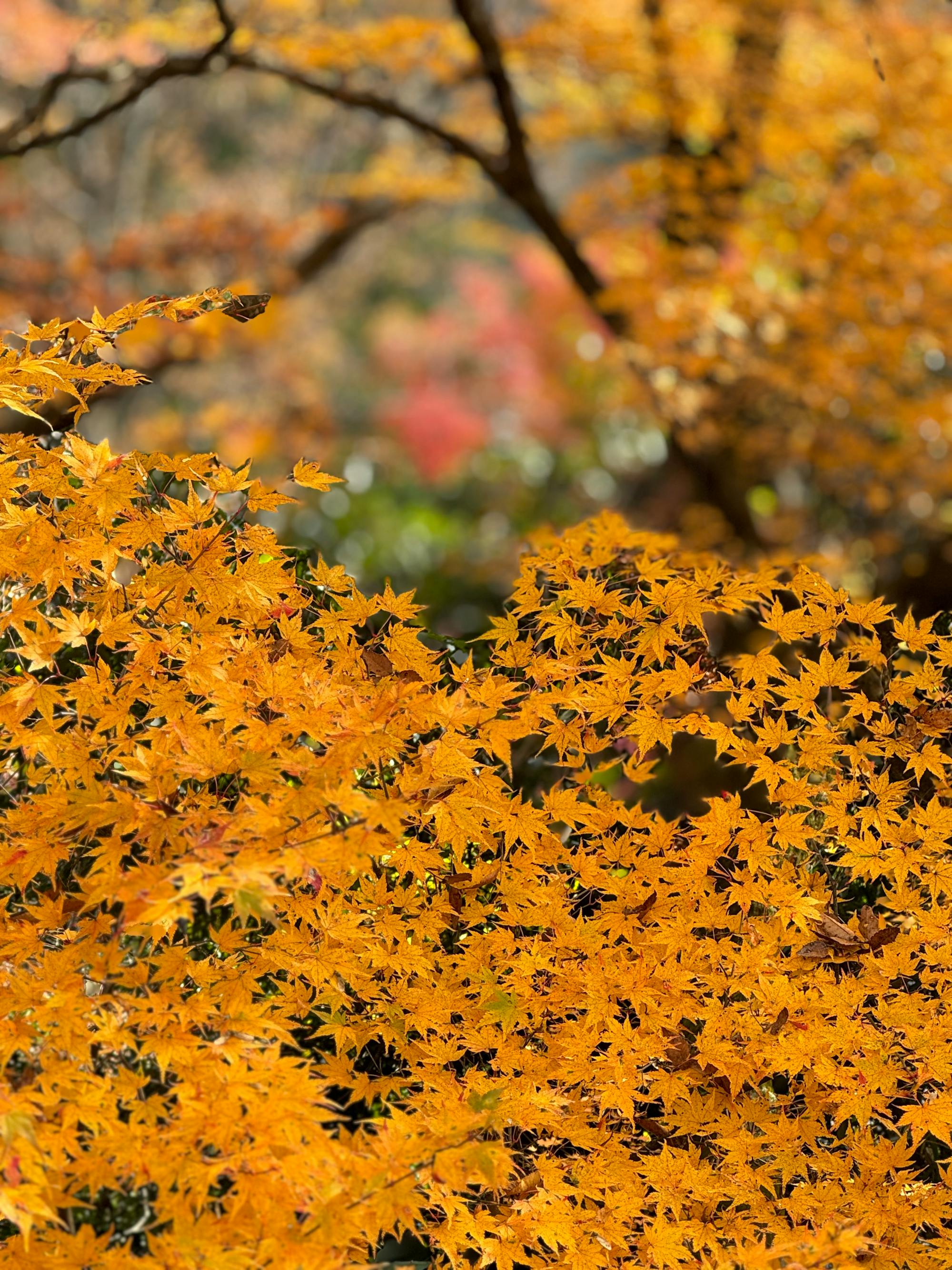
Autumn is often the best time to visit Kyoto if you want the city at its most painterly. The koyo (autumn foliage) season usually starts in mid October, with fall foliage building through the month, peaking around mid-November and late november in central Kyoto, and lingering into early December at some sites; this is when Kyoto's most vivid fall colors draw the biggest crowds. Tofuku-ji, with its famous view of a sea of maple trees from the historic wooden bridge, is among the world's great places to see autumn leaves. Eikan-do Temple, Arashiyama, Daitoku-ji gardens, the grounds of Kinkaku-ji, and Tenryu-ji all transform into extraordinary red and gold tapestries. Yoshimine-dera is especially rewarding for its sprawling grounds and vibrant leaves. Special night illuminations (raiya) at Kiyomizudera, Eikan-do, and Tofuku-ji in November create perhaps the most photographed images in Japan. October is Kyoto's finest all-round travel month — temperatures are ideal (18–22°C), crowds are markedly lighter than November, and the first hints of colour appear in higher-altitude temple gardens while the city's autumn programme of Noh and kabuki performances gets under way. Late October also brings famous festivals, especially Jidai Matsuri, which features 2000 participants in historical costume, and the Kurama Fire Festival.
Winter (December–February)
Kyoto in winter is Japan's best-kept travel secret. December and January bring cold, dry Kyoto weather (3–10°C) and occasional light snow — a dusting of snow on the golden Kinkaku-ji pavilion, on the stone lanterns of Fushimi Inari, or on the rooftops of Gion's teahouses makes some of the city's most famous spots look especially striking. New Year in Kyoto is celebrated across hundreds of shrines and temples — the bell-ringing (joya no kane) at midnight on December 31st at Chion-in Temple, whose bell is Japan's largest, is a deeply moving experience. January and February are Kyoto's low season and least crowded, cheapest winter months, though domestic tourism still rises around holiday periods even outside the main international rush — a serene, contemplative city of incense smoke and quiet temple courtyards far removed from its summer tourist peaks. The plum blossoms (ume) at Kitano Tenmangu Shrine — some 1,500 trees across 50 varieties — bloom from late January, with the shrine's Baika-sai festival on 25 February drawing modest crowds to watch geiko and maiko from the nearby Kamishichiken district serve outdoor tea among the blossom.
Shoulder Season Tips
The optimal travel windows for Kyoto are the second half of May — once Golden Week, Japan's late-April-to-5-May run of four public holidays (Shōwa Day, Constitution Memorial Day, Greenery Day and Children's Day), has emptied out — and October, particularly the first three weeks before the autumn foliage peak. In early May, the fresh green foliage of post-cherry blossom season is beautiful, temperatures are perfect for walking, and the city has relaxed from its spring peak once the national holidays pass, though crowds and prices stay high just before this window. In October, temperatures are ideal, major temples are uncrowded, and you can experience the beginning of autumn colour in higher-altitude temple gardens without November's crowds. For both windows, accommodation is markedly easier to book and typically cheaper than during the cherry-blossom and peak-foliage weeks, when Kyoto's hotels sell out furthest in advance. If you must visit during cherry blossom or autumn foliage peak, stay in Nara or Osaka and make day trips if you still want to visit Kyoto — both cities have excellent accommodation and equally beautiful seasonal scenery with far fewer crowds.