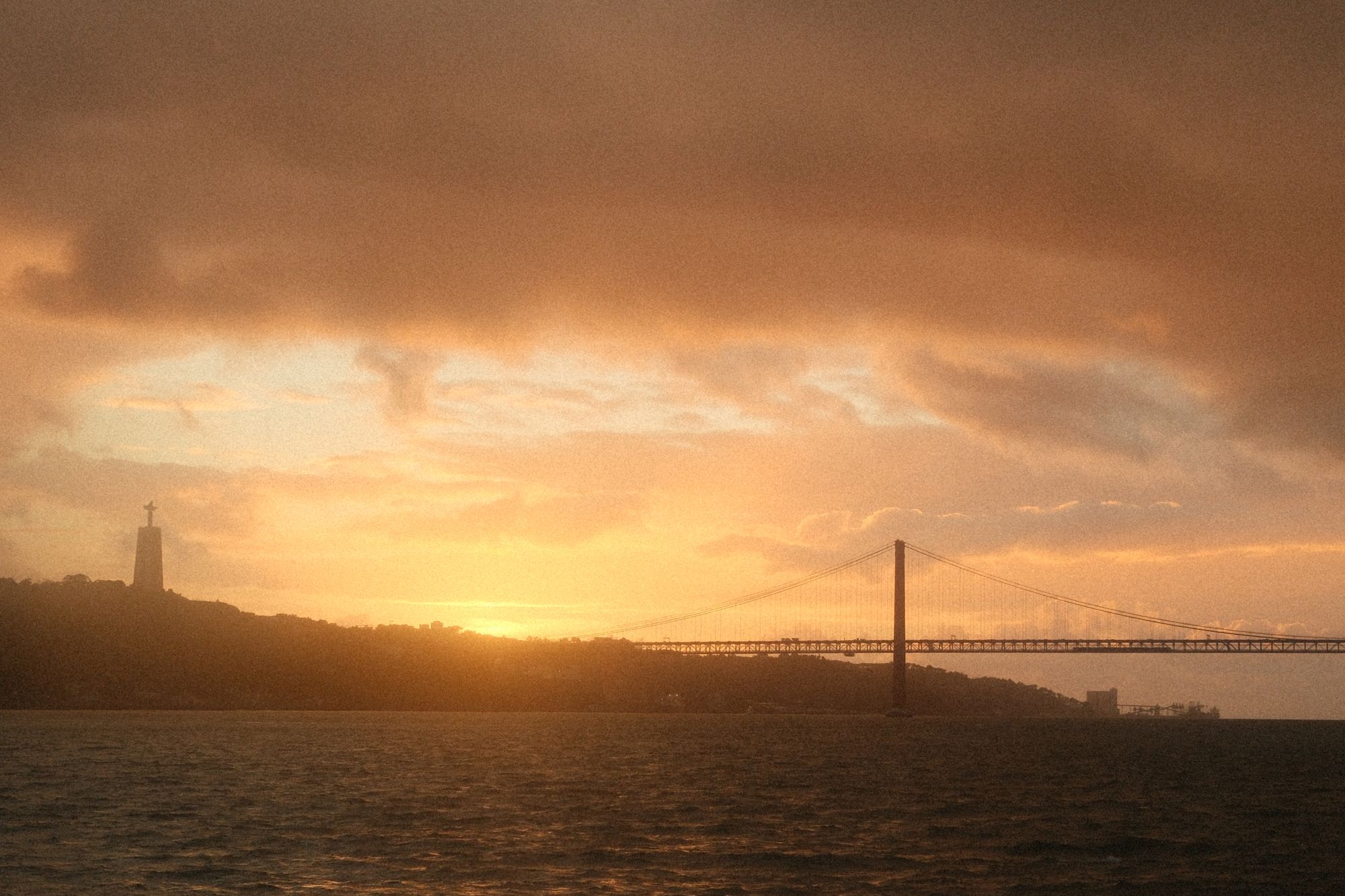
Lisbon enjoys one of Europe's finest climates — over 290 sunny days annually — making it a rewarding destination year-round, with April to June and September to October offering the ideal balance of warm sunshine, manageable crowds, and excellent value.
Lisbon enjoys one of Europe's finest climates — 290+ days of sunshine annually, mild Atlantic winters, and warm Mediterranean-style summers. This means the city is genuinely appealing year-round, with each season offering a distinct mood and set of experiences. The optimum windows for most travellers are April to June and September to October, balancing warm sunshine with comfortable temperatures, manageable crowds, and the best value. Summer is lively but warm; winter is mild, crowd-free, and remarkably affordable.
Best Time to Visit Lisbon: Spring (March–May)
Spring is one of the best times to visit Lisbon and a great time for a Lisbon vacation thanks to the city's mild weather. From March, the city bursts into bloom — jacaranda trees (originally from Brazil, now a Lisbon icon) begin flowering in late April and through May, turning Avenida da Liberdade and Príncipe Real's central square into breathtaking purple tunnels. Temperatures rise from 15°C in March to a comfortable 22°C by May. Average temperatures and average highs at this time, along with plenty of sunshine and sunny weather, make outdoor sightseeing especially easy. It's perfect for the city's countless outdoor miradouros and terraced restaurants, when parks and viewpoints look especially green and city life spills back outside. Lisbon Half Marathon in March and the Lisbon Marathon in October are major events affecting road access. Dia da Liberdade (25 April, Freedom Day) is a national holiday celebrated throughout the city with live music and political rallies commemorating the 1974 Carnation Revolution. Spring is also one of Lisbon's shoulder seasons, with fewer crowds than summer. The spring sardine season begins in June, but spring is the time to enjoy clams (ameijoas à Bulhão Pato), fresh asparagus, and the season's first strawberries in Lisbon's restaurants.
Summer (June–August): Mild Weather
Summer in Lisbon is animated — the summer months bring warm weather, good weather, and plenty of sun, though July and August can feel hot. August is the hottest month. The ocean breeze from the Atlantic moderates the heat, making Lisbon more comfortable in summer than Madrid or Seville despite similar temperatures. Santos Populares — Lisbon's most exuberant festival — runs through June, including Saint Anthony’s Day, when the streets come to life during that week with neighbourhood street parties, grilled sardines, decorations of pot plants and paper garlands, and all-night dancing in Alfama, Mouraria, and Bairro Alto. In August, many locals leave Lisbon for coastal areas or the Algarve, which gives the city a quieter feel. NOS Alive music festival in Algés (July) brings major international acts. The beaches of the Setúbal Peninsula and Cascais/Estoril Riviera are easily reached by 30–40 minute train from central Lisbon — a significant advantage in Portugal for quick seaside access from a capital city. Summer accommodation fills fast and prices peak in July–August.
Autumn (September–November): Cultural Events
Autumn, or fall, is arguably the best time to visit Lisbon for the discerning traveller who wants warm temperatures and a relaxed pace. September still delivers beach-worthy conditions (24–26°C) with far fewer crowds than August, and it marks one of the city’s shoulder seasons. The ocean remains warm (20–22°C) well into October, extending beach season beyond what most visitors expect. Sunshine often lasts well into early autumn, which makes day trips easy.
The Lisbon Architecture Triennale (every three years, odd-numbered years) and various autumn cultural festivals animate the city's museum and gallery scene. October brings the Lisbon Marathon and the full reopening of the city's cultural calendar after the summer entertainment industry peaks, with more cultural events and occasional classical music programming adding to the arts scene. November sees the start of cataplana season — the copper-cooked stews of clams, fish, and pork that define Portuguese winter cooking. Accommodation prices drop significantly after mid-September, making autumn excellent value and a perfect time for a trip focused on sightseeing and local atmosphere.
Winter (December–February): Average Temperatures
Lisbon's winter is the mildest of any European capital, and this part of Portugal stays appealing year round, especially if you're coming from colder Northern Europe — January averages 15°C, with daytime highs reaching 17–18°C on sunny days, common throughout the season. Winter is the low season, so you get fewer crowds and see more locals in daily life. Rain falls mainly in December and January but rarely lasts all day. The city takes on a quieter, more authentic character in winter, and the town feels easier to enjoy as tourist numbers drop, queues at major sights evaporate, and Lisboetas reclaim their city's neighbourhood restaurants and pastry shops. Christmas in Lisbon is warmly celebrated — the Rossio square tree, festive lights along Avenida da Liberdade, and traditional presépio (Nativity) scenes in churches throughout the city. New Year's Eve in Lisbon (Réveillon) features free live concerts in Praça do Comércio with fireworks over the Tagus. One thing that can happen in winter is that older buildings feel cold indoors even when it stays mild outside. January and February are the cheapest months — hotel prices can be 40–50% below summer peaks, making winter not a bad time to visit Lisbon for travellers who prioritise value over beach weather.
Shoulder Season Tips for Fewer Crowds
The very best time to visit Lisbon is late April to early June (jacaranda season, Santos Populares approaching, perfect temperatures) and September to October (still warm and beach-accessible, post-summer crowds, good value). There’s no single bad time to go, because the best time to visit depends on the kind of trip you want. May is Lisbon at its most beautiful — jacaranda blossoms carpet pavements in purple, temperatures are ideal for wandering the cobbled streets, and the city hosts the Lisbon Book Fair in Eduardo VII Park for three weeks of literary culture. For the Lisbon food scene specifically, October and November are outstanding — new olive oil, fresh mushrooms, chestnuts (castanhas, roasted on street corners from October), and the appearance of cataplana and caldo verde (kale soup) on menus signal the finest season for traditional Portuguese cooking. When the weather is favorable, a Lisbon vacation can also include Tagus River walks and easy day trips.