Madrid has a continental climate with extremes that can catch visitors by surprise — baking hot summers and occasionally cold winters, but a very long, pleasant spring and autumn. The best months to visit are May, June, September, and October, when temperatures are comfortable for walking and exploring, hotel prices are reasonable, and the city is lively without the crushing summer heat.
Best Time to Visit Madrid: Spring (March–May)
Spring is often the best time to visit, but Madrid is rewarding year round. In March to late May, average temperatures rise from about 12°C to 22–24°C, and the weather turns sunnier and more settled. El Retiro Park fills with blooming flowers, and the city’s green spaces and expansive parks become especially inviting.
Easter week, or Holy Week (Semana Santa), brings religious processions through the streets — solemn and impressive. Even in early spring, days can still feel cool despite improving conditions.
The San Isidro festival in mid-May is Madrid's most important fiesta, honoring the city's patron saint: bullfights at Las Ventas (the world's premier bullfighting arena), outdoor concerts, and dance performances that takes place across the city, including traditional dance in the Pradera de San Isidro and neighbourhood celebrations for a full week. The art museums are busy but manageable, outdoor cafes fill up in the warm weather, and the good weather makes late May ideal for cultural activities and long evenings. Hotel prices are moderate in March–April, rising in May as demand increases.
Summer in Madrid (June–August): Busiest Months
Madrid's summer is hot — seriously hot — and not the best time to visit Madrid for everyone because of the high temperatures. July and August regularly bring high temperatures above 35°C, with hot summer days occasionally reaching 40°C. Madrid is one of the hottest capitals in Europe in summer, and the heat can make intensive sightseeing uncomfortable between midday and 4pm, so air conditioning matters for midday comfort. The Spanish solution is sensible: embrace the siesta, plan outdoor activities for early morning and evenings to make the most of long days and sunny days, and enjoy the city's fantastic outdoor terrace culture after dark. The summer evenings are magical: terraza bars in Retiro park, open-air cinemas, and streets alive until 2–3am. Early July is a busy time, so it's smart to plan ahead. Many locals leave the city in August, meaning some neighbourhood restaurants close but tourist infrastructure remains fully operational, and some travelers use this period to avoid crowds and enjoy a more relaxed feel. Hotel prices are high in June and early July during the high season, which are also the busiest months and often bring high prices. The La Paloma festival in La Latina in August is a lively local fiesta worth catching.
Autumn in Madrid (September–November): Blooming Flowers
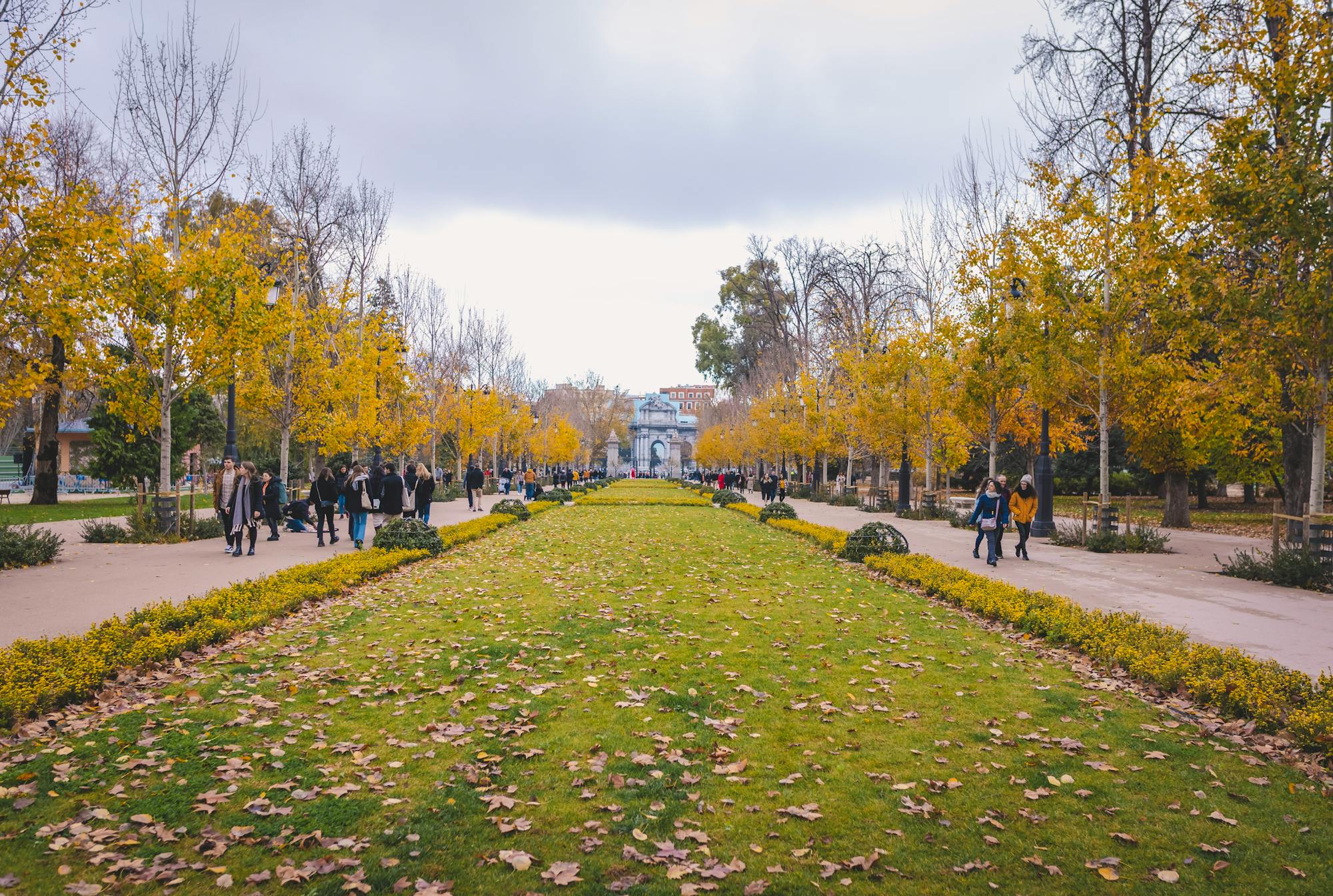
Autumn is Madrid's golden season and, for many travelers, the sweet spot and best time to visit the capital city. September, in early autumn, retains summer warmth (24–28°C) but brings mild weather, fewer crowds, and the return of the local population from their summer holidays — meaning restaurants reopen and the city buzzes with renewed energy. October is perhaps the perfect Madrid month and a great time to visit Madrid, with 18–22°C, the Retiro park blazing with autumn colour, and more opportunities for spending time outdoors, while the cultural season in full swing showcases Spanish culture in the Spanish capital and the capital city more broadly — new theatre productions, gallery openings, and the contemporary art fair ARCO Madrid in February having kicked off the autumn art calendar. November cools to 12–15°C and brings more rain but remains perfectly pleasant for city exploring. Hotel prices ease from mid-September, making autumn excellent value during the shoulder seasons.
Winter in the Spanish Capital (December–February)
Madrid's winters are cold and occasionally very cold — average temperatures from December through February are around 8–12°C, with nights dropping to near freezing, so bring a warm coat for the evenings. Snow falls perhaps once or twice a season and creates a magical atmosphere in the old city. December's festive season brings special events across the city: Christmas markets in Plaza Mayor, twinkling lights along Gran Vía, and elaborate nativity scenes all add to the atmosphere. A cup of hot chocolate is a classic winter treat after sightseeing. The city also celebrates New Year's Eve at the Puerta del Sol, welcoming the new year with one of Spain's most famous traditions — eating twelve grapes at midnight. January and February are the quietest and cheapest months, with hotel rates sometimes half the spring/summer price. The Prado, Reina Sofía, Thyssen, and the Royal Palace are easier to enjoy with fewer crowds — an art lover's winter retreat.
Avoiding the Crowds and Finding Fewer Crowds
If you want to avoid crowds, the Prado Museum is best visited on Tuesday–Saturday evenings (free entry from 6pm until 8pm), and shoulder-month travel can also help avoid crowds while the light through the neoclassical windows is beautiful. The Reina Sofía offers free entry on Saturday afternoons and Sunday mornings. For the El Rastro flea market, arrive by 9–10am to browse before the crowds make movement difficult — it winds down by 2pm. The historic centre around Puerta del Sol and the tapas bars of La Latina are at their busiest on weekend evenings; for a more relaxed, crowd-free option, explore on weekday evenings or Sunday mornings. For the best combination of value, comfort, and city atmosphere, aim for the first two weeks of October if you want good weather and fewer crowds.