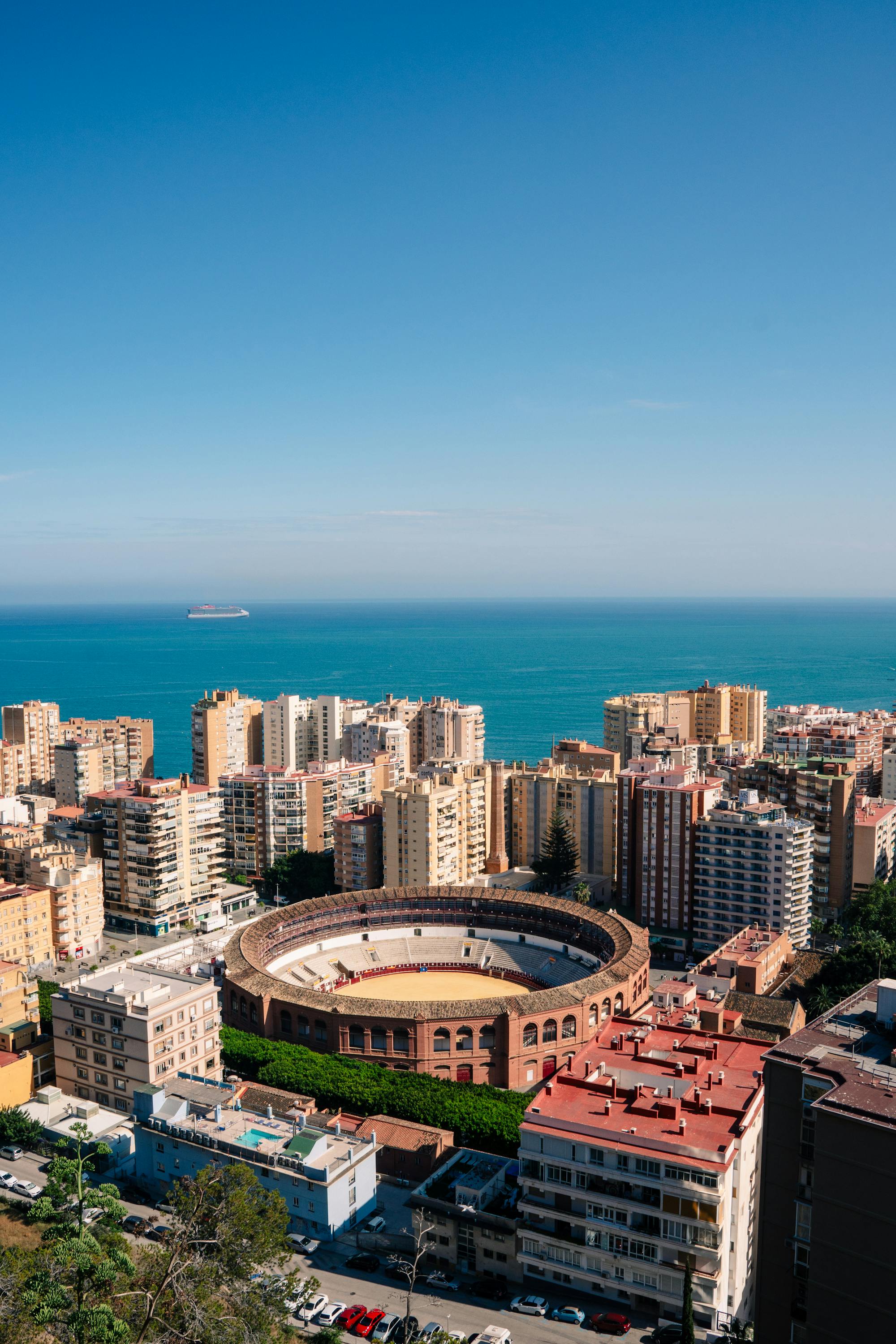
The best time to visit Málaga is April through June or September through October, when shoulder season months deliver warm sunshine, a swimmable Mediterranean sea, uncrowded streets, and some of the year's finest dining weather without the intensity and expense of the July and August peak. With 300 days of annual sunshine, Málaga is also the most reliable winter-sun destination in mainland Europe.
The best time to visit Málaga is April through June or September through October. These shoulder season months deliver everything that makes Málaga exceptional — warm sunshine, a swimmable Mediterranean sea, uncrowded streets, open cultural attractions, and some of the year's finest dining weather — without the intensity and expense of the July and August peak. Spring is particularly special, as the jacaranda trees lining the Paseo del Parque burst into purple bloom and Semana Santa brings Andalusia's most elaborate Holy Week processions through the old town. October offers golden light, a sea still warm from summer (typically 22–23°C), and the city's cultural season in full stride. With 300 days of annual sunshine, Málaga is also the most reliable winter-sun destination in mainland Europe, making it excellent for November through February visits from northern Europe.
Best Time to Visit Malaga: Spring (March–May)
Spring is arguably Málaga's finest season. March brings the dramatic spectacle of Semana Santa, a powerful expression of authentic Andalusian culture — processions of hundreds of robed cofradías (brotherhoods) carrying elaborate floats through the narrow streets of the historic centre, accompanied by brass bands and the emotional song of saetas (flamenco incantations). This is one of Andalusia's great cultural events, though hotels in the city centre fill completely weeks in advance for Easter week. April and May bring moderate temperatures and mild temperatures, with average daytime temperatures warming to 20–24°C; the beaches become swimmable, and the city's parks and the Botanical Garden reach their peak beauty. Expect warm sunshine and blue skies on many spring days, though uv levels are already high enough to make sun protection wise. The Feria de Agosto is still months away, but spring is ideal for outdoor activities, and the city's bar and restaurant culture is in full festive flow with plenty of al fresco dining.
Summer (June–August): Mild Weather
June is early summer in Málaga — sea temperatures reach 22°C by mid-June, the days are long, and long evenings encourage the Malagueño tradition of late dining and night swimming. July and August are the busiest summer months, with hot conditions and temperatures regularly reaching 32–36°C inland though the sea breeze moderates the coastal heat. Malagueta Beach and the surrounding beaches near the city center fill completely with both domestic and international visitors; restaurant queues at popular spots and higher accommodation prices are the price of peak season. The Feria de Malaga, referred to here as the Malaga Fair, in mid-August is one of Spain's biggest city festivals — a week of flamenco, horse parades, street parties, and fairground revelry that transforms the entire city. If visiting in July or August, book everything months ahead and embrace the late-night Andalusian lifestyle: enjoy lunch by the beach, dinner at 10pm, beach at midnight, sleep when the sun rises.
Autumn (September–November): Best Time to Visit
September is the finest time to visit for a beach-and-culture stay. The Mediterranean reaches its warmest (24–25°C), August's visitors have departed, there are fewer crowds and fewer tourists, accommodation prices drop 25–35%, and the city's cultural calendar resumes with full force after the summer festival season.
October, especially early October, brings warm weather and is ideal for the Caminito del Rey hike and for exploring the mountain villages of the Axarquía region with their autumn grape and avocado harvests, making it the perfect season to spend more time on hikes or regional day trips.
November cools noticeably — daily temperatures average 17–19°C — and the beach season formally ends, but Malaga offers plenty of indoor activities alongside outdoor activities, so its museums, tapas bars, and market culture are entirely unaffected, and the city is at its most relaxed and local-feeling.
Winter (December–February): Warmer Temperatures
Málaga's winter is mild by any northern European standard, and in Southern Spain that mediterranean climate brings gentle winter conditions. January averages 12–16°C, and the winter months often bring winter sunshine, warmer temperatures, sunny spells, and little rain, making it one of the warmest winter city breaks available in mainland Europe. The city's cultural attractions are open year-round and pleasantly uncrowded; queues at the Picasso Museum, Roman Theatre, gibralfaro castle, and alcazaba fortress are minimal. Christmas in Málaga is celebrated enthusiastically, with elaborate Christmas lights on Calle Larios and the traditional December 28 Día de los Inocentes celebrations. Rain falls mainly between November and February, so rainy days are usually brief; practical tips include packing a light jacket for cooler or wet spells. January and February are the quietest months of the year and offer the best hotel prices, sometimes 50% below summer rates, making this a quieter time for a city break or to visit Malaga.
What to Avoid and When to Visit Malaga Off-Peak
The best time to visit depends on your priorities, but for many travelers the best time to visit Malaga is outside the busiest festival and summer weeks. Avoid Málaga in peak August if your priority is cultural exploration — the heat makes extensive walking uncomfortable and popular attractions can have long queues, so planning matters and it's wise to start planning early for peak-season travel. For Semana Santa, unless Holy Week processions are your primary motivation, it is rarely the ideal time to visit Malaga; the week before Easter is extremely crowded and expensive, so arrive the week after for lower prices and a city still buzzing with post-festival atmosphere. The Feria de Málaga in mid-August is wonderful if you embrace it fully, but difficult if you want quiet museum visits and early bedtimes. The absolute best value visits are November through February: mild weather, minimal crowds, cheapest accommodation, and the full cultural programme available, which makes off-peak travel a strong choice for a perfect trip, easier Costa del Sol access, and even a flexible road trip. In short, Malaga weather still makes it easy to visit year round in Spain.