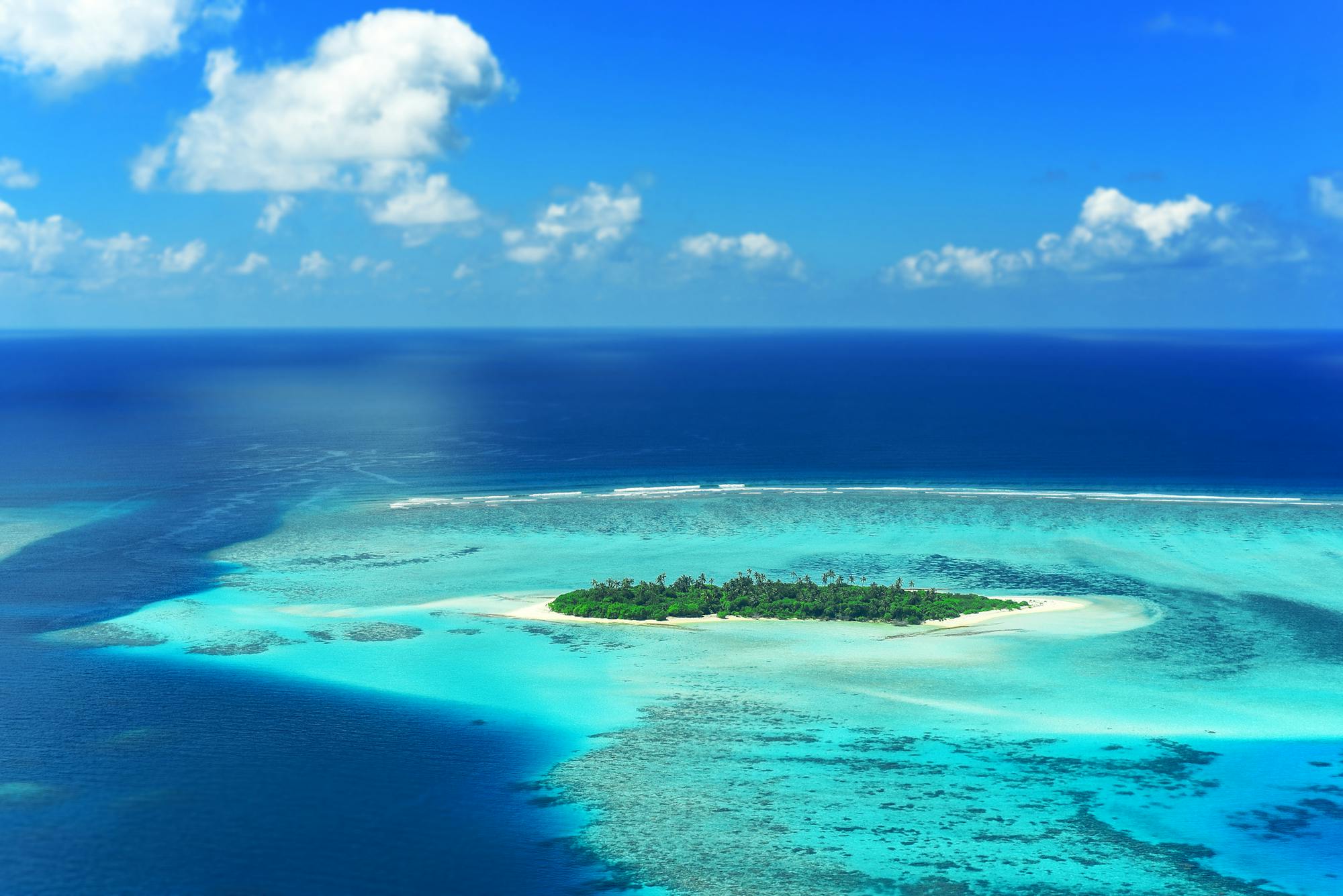
The Maldives has two distinct monsoon seasons that shape when you visit and what you experience. The dry northeast monsoon (November to April) delivers the classic Maldives postcard conditions — calm turquoise seas, cloudless skies, and visibility exceeding 30 metres underwater. The wet southwest monsoon (May to October) brings occasional heavy rain and stronger swells but also lower resort prices, fewer crowds, and the spectacular arrival of manta rays at Baa Atoll.
The Maldives has two distinct monsoon seasons that shape when you visit and what you experience. The dry northeast monsoon (November to April) delivers the classic Maldives postcard conditions — calm turquoise seas, cloudless skies, and visibility exceeding 30 metres underwater. The wet southwest monsoon (May to October) brings occasional heavy rain and stronger swells but also lower resort prices, fewer crowds, and the spectacular arrival of manta rays at Baa Atoll. The best overall months are November through April, with December and January being the absolute peak.
Best Time to Visit Maldives: High Season (November–April)
The northeast monsoon season delivers the Maldives at its most photogenic and most expensive. December and January are the peak months: Maldives weather in high season brings around 8 to 10 hours of daily light, skies are crystal-clear, daytime temperatures sit around 28–30°C, low humidity makes the dry season feel especially comfortable, the sea is calm even in remote atolls, and water visibility is best from December to March, often reaching 30–40 metres, with every atoll accessible. This is the best time for photography, diving, and overwater villa experiences, and the best snorkeling and diving runs from December to March. It is also a popular time for winter sun and reliably warm weather.
Temperatures hover around 28–30°C year-round, but the northeast monsoon season feels more comfortable due to lower humidity. February and March are excellent alternatives — prices begin to ease slightly while conditions remain spectacular, February is the driest month with less than 70mm rainfall, the weather is generally drier, and there is still great visibility. Whale shark sightings in South Ari Atoll are reliable year-round, but these months are also excellent for marine life encounters and to spot whale sharks. April marks the transition period — still mostly dry in the north of the country but increasingly unpredictable in the south.
Monsoon/Summer (Rainy Season)
The southwest monsoon (May–October) arrives gradually across the indian ocean, bringing warmer, wetter conditions and higher humidity levels as it moves in from the south. May still offers many fine days, particularly in the northern atolls. June and July bring the highest rainfall, with an increased chance of showers, and travellers can expect choppier seas for smaller speedboat transfers. However, even during the wet season, rain often comes in short bursts rather than all-day downpours, and the Maldives rarely experiences prolonged bad weather — most storms are short, dramatic, and followed by sunshine. This is also the low season, so it can be a smart time to book a more affordable trip. The key attraction of monsoon season is Hanifaru Bay in Baa Atoll, where the nutrient-rich southwest monsoon currents trigger plankton blooms that attract hundreds of manta rays simultaneously, making snorkelling especially memorable for sightings of rays and whale sharks, including the famous gatherings of manta rays and whale sharks that define the broader marine experience; Raa Atoll is also prime territory to spot manta rays. Water visibility can be slightly reduced in monsoon months, but wildlife encounters remain highly rewarding. September to November is ideal for spotting whale sharks. Surf breaks also reach their best during southwest monsoon.
Shoulder Season: A Seasonal Guide
May and October are the best-value time to visit, with both months offering strong savings. May still has largely good conditions (particularly in the north) with shoulder-season pricing — often 30–40% below peak rates. This can be a great time to visit the Maldives if you want lower rates and fewer crowds. October sees the southwest monsoon winding down, and conditions can still be good despite some variability, so travellers can still have a wonderful time. Both months offer good diving conditions at most atolls, and the reduced tourist numbers mean more personal service at resorts. For budget-conscious travellers who want the overwater villa experience, May and October represent the sweet spot of price and conditions. Still, plan ahead for resort deals and transfers even in shoulder months.
Religious Festivals Impact
The Maldives is a Muslim country and Ramadan (dates shift annually, typically March–April) significantly affects local island travel: restaurants on local islands may not serve food during daylight hours, and public behaviour is more conservative. Resort islands are unaffected, as they operate independently of local customs regarding food and alcohol. Eid al-Fitr (end of Ramadan) and Eid al-Adha are national holidays when local businesses close; planning travel around these dates requires flexibility. National Day (1 March) and Independence Day (26 July) see celebrations on inhabited islands, with traditional bodu beru performances and community gatherings — wonderful to witness if visiting local islands.
Key Events and Celebrations During Maldives Holidays
The Maldives Dive Show (annual, typically September) is the region's largest dive industry event, hosted in Male and a notable fixture in many Maldives holidays. International Surfing Association competitions are held at iconic breaks like Pasta Point during the southwest monsoon season, attracting professional surfers from across Asia. Many resorts host their own seasonal events for a memorable holiday, from New Year's Eve celebrations on private sandbanks to full-moon diving excursions and monsoon manta ray packages that showcase the Maldives' beautiful islands. The Maldives Coral Spawning Season (around November) is a magical underwater event when corals release their gametes in a snowstorm of marine particles — an unforgettable night dive experience for those in the right atoll at the right time. For travellers weighing the best time to visit, these events can also shape when to visit beyond weather alone.