Marrakech sits at the foot of the High Atlas Mountains on the edge of the pre-Saharan plain, giving it a continental climate of extremes — scorching summers above 40°C and cool winters that can dip below 5°C at night. The best time to visit is October to April, particularly March–May and September–November when temperatures are comfortable for souk exploration, outdoor dining at Djemaa el-Fna, and day trips into the mountains.
Marrakech sits at the foot of the High Atlas Mountains on the edge of the pre-Saharan plain, giving it a continental climate of extremes — scorching summers above 40°C and cool winters that can dip below 5°C at night. The best time to visit is October to April, particularly March–May and September–November when temperatures are comfortable for souk exploration, outdoor dining at Djemaa el-Fna, and day trips into the mountains.
Best Time to Visit Marrakech: Spring (March–May) Season
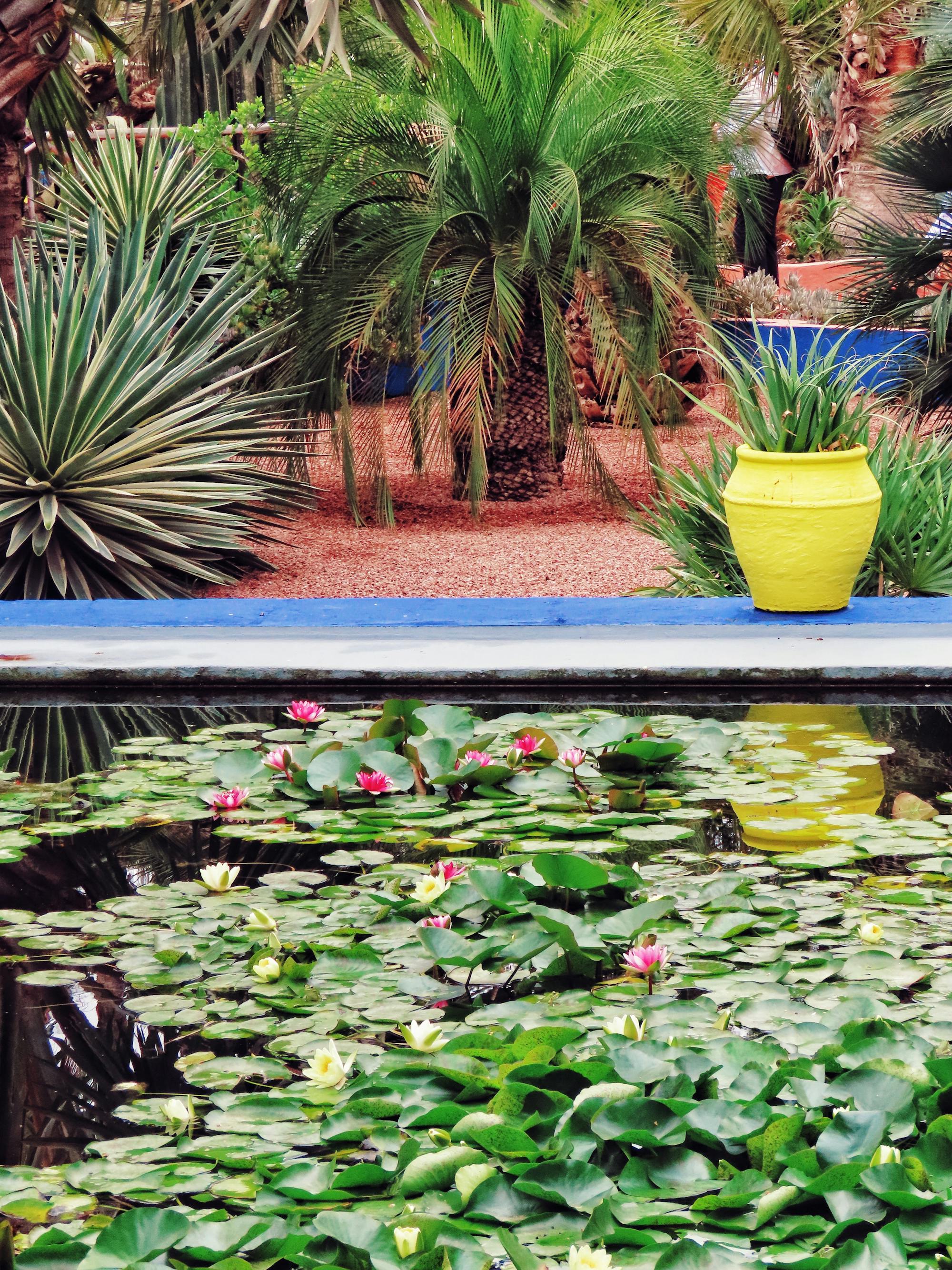
Spring is the best time to visit and the top time to visit Marrakech. In this seasonal guide, it stands out most clearly even though Marrakech is a year-round destination. Temperatures hover between 20–30°C, bringing pleasant weather, comfortable temperatures, and plenty of sunshine for walking the medina from early morning through late afternoon and dining in the Djemaa el-Fna square at night. The rose harvest in the Dadès Valley (April) and the orange blossom season fill the city with scent. Jardin Majorelle is also in full bloom in spring, which fits naturally into a day of sightseeing. Spring also brings the Marrakech International Film Festival preparation and a general liveliness to the city. March is particularly beautiful — the Atlas foothills are green from winter rainfall, day trips to Ourika Valley or Aït Benhaddou are at their most scenic, and crowds are manageable thanks to minimal rainfall, ideal weather conditions, and strong conditions for outdoor activities.
Autumn (September–November): Second Best Time to Visit
September is still hot — 32–36°C — but by October temperatures begin to drop to a comfortable 24–28°C and the city regains its energy after the quiet summer. October is arguably the single best month to visit Marrakech: one of the best months for pleasant temperatures and comfortable weather in the medina, warm enough for outdoor dining and pool time, cool enough for comfortable medina exploration, and autumn is part of the high season as tourist numbers rise with Moroccan and international visitors creating a vibrant atmosphere. November becomes noticeably cooler — evenings require a jacket — and late autumn starts edging toward the low season, with fewer tourists and lower prices. The Marrakech Marathon (January) draws runners from around the world.
Summer (June–August): Avoid if Possible Due to Summer Heat
Marrakech in summer brings serious summer heat, with extreme heat and the city’s dry conditions making the hottest weeks challenging. July and August regularly reach 40–42°C — temperatures at which walking the medina from 10am to 4pm becomes uncomfortable to dangerous, so stay hydrated. Most experienced visitors who find themselves in Marrakech in summer adopt a split schedule: early morning sightseeing, long riad midday, late afternoon markets, evening Djemaa el-Fna, and should expect temperatures above 40°C and plan around the heat. For the hottest hours, consider shaded or indoor stops such as Bahia Palace, or head for cooler air in the High Atlas Mountains. The city empties of European tourists in August and fills with Moroccan domestic holidaymakers. Riad prices drop significantly in summer — if heat doesn't bother you and you want to experience a more local Marrakech, July–August has its advocates.
Winter (December–February): Quiet, Cool, and Comfortable Temperatures
The winter months are the quieter part of the year, and the weather in Marrakech stays mild by European standards — with average temperatures of 18–22°C, often clear skies, comfortable days for sightseeing, but cold nights that can drop to 4–7°C. December through February is the low season, with fewer tourists except around Christmas/New Year week, and while there can be some rain, it is usually little rain overall rather than prolonged bad weather.
The souks are quiet, riad owners are welcoming and negotiable on price, and the Djemaa el-Fna has a different, more intimate character without the summer crowds. The Atlas Mountains are snow-capped from December — a remarkable backdrop to the pink medina walls.
Key Events and Weather in Marrakech
For a culture-focused trip, the best time and overall time to visit Marrakech can depend as much on its events calendar as on the weather.
The Marrakech International Film Festival (December) brings celebrity visitors and open-air screenings to the city. The Marrakech Popular Arts Festival (July) celebrates Moroccan folk music, dance and acrobatics. Eid al-Adha (dates shift annually on the lunar calendar) is a major public holiday when much of the city closes for 2–3 days, so its timing can shape how you visit Morocco and plan around closures or special evenings. Ramadan, also on the lunar calendar, transforms the city: daytime restaurant access is limited but the post-sunset iftar atmosphere in the Djemaa el-Fna is extraordinary and worth experiencing. These local festivals are one reason many travelers explore Marrakech and other Moroccan destinations at different times of year.