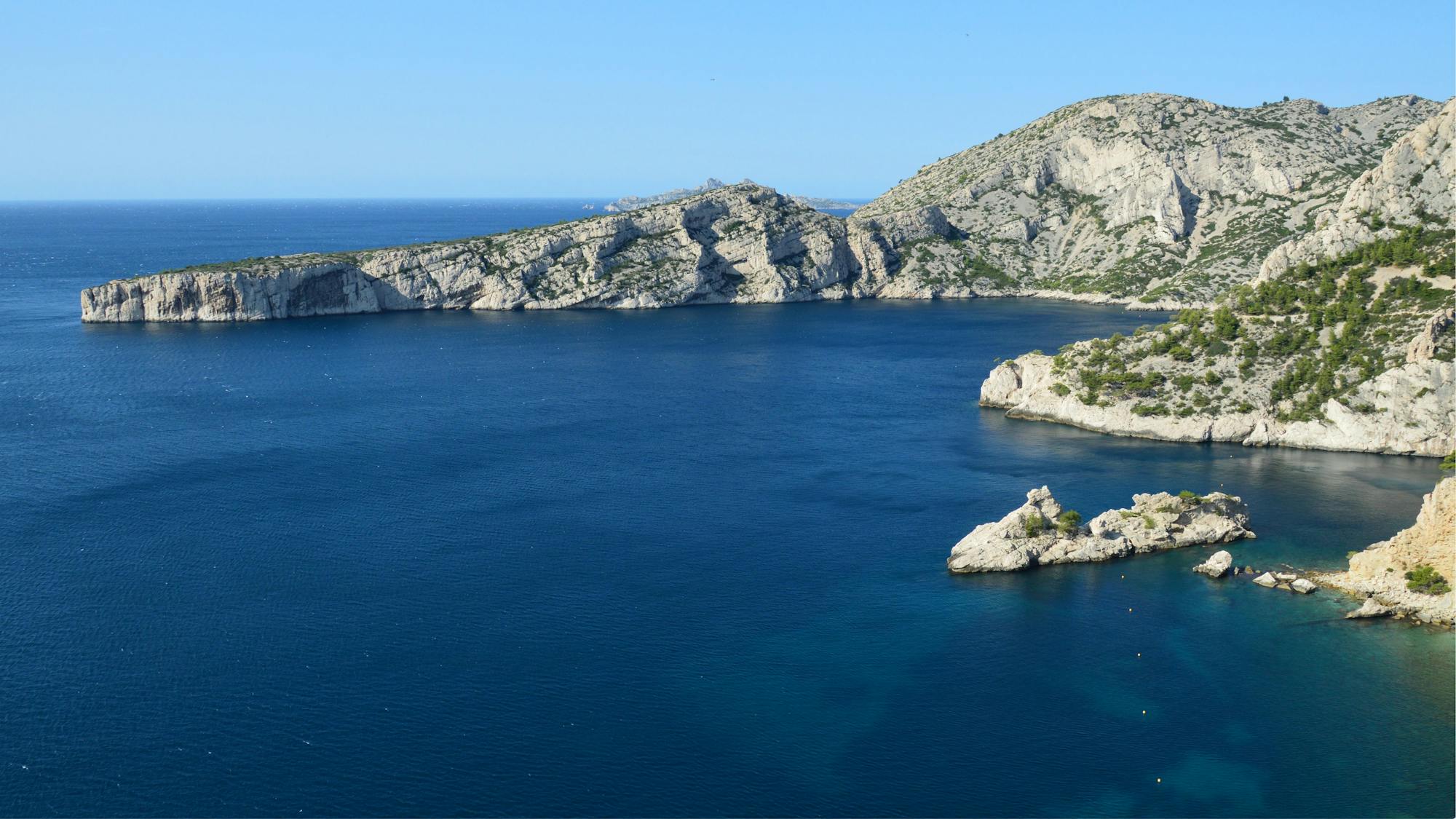
Marseille enjoys a classic Mediterranean climate — hot, dry summers, mild winters, and abundant sunshine year-round. The best time to visit is May, June, or September–October — warm enough for the Calanques and beaches, outside the intense July–August heat and crowds, and with the city's cultural life running at full pace.
Marseille enjoys a classic Mediterranean climate — hot, dry summers, mild winters, and abundant sunshine year-round. With over 300 days of sunshine annually, it's one of France's sunniest cities. The best time to visit is May, June, or September–October — warm enough for the Calanques and beaches, outside the intense July–August heat and crowds, and with the city's cultural life running at full pace. Winter is mild and surprisingly pleasant for those who want the city to themselves.
Best Time to Visit Marseille: Spring (March–May)
Spring is one of Marseille's finest seasons. Located in the south of France, the city has a Mediterranean climate, with temperatures rising from 14°C in March to a warm 22°C by late May, while clear skies and the famous Mistral wind occasionally bring crystal-clear visibility and extraordinary light. Calanques National Park is at its most accessible in spring — the fire-risk restrictions that limit access in summer haven't yet taken effect, making May and early June the best months for Calanques hiking. The sea is still cool for swimming (16–18°C) but the coastal paths and rocky coves are glorious on a spring morning. The city's fish market is in full swing, the restaurant terraces on the Vieux-Port are opening up, and hotel prices are reasonable. Easter can be busy with French domestic visitors but never overwhelmingly so. April is especially good for spring sightseeing, including Notre-Dame de la Garde for panoramic views.
Summer in Marseille (June–August): Best Time to Visit
June and July mark the high season in Marseille, and the city is transformed. Temperatures reach 28–32°C regularly in July–August, with the Calanques water reaching 25°C — perfect for swimming. The Calanques are the main draw, accessible by boat from the Vieux-Port to the most spectacular inlets (many are restricted to hiking-only in high fire-risk periods in July–August). Another popular excursion is the château d'if, famed for its Monte Cristo connection. The city's beaches (Plage du Prado, Pointe Rouge, and Plage des Catalans near the Vieux-Port) are crowded but lively. Summer festivals and other key events, including the Fête de la Musique in June and the Festival de Marseille (contemporary arts, July), animate the city's cultural life. Bastille Day on July 14th is one of France's major July celebrations. Accommodation prices peak significantly in July–August and the Vieux-Port restaurants are packed — book well ahead for both. The Mistral wind can create sudden rough sea conditions even in summer, and the summer months can bring intense summer heat, so check conditions before Calanques boat trips.
Autumn in Marseille (September–November) and Calanques National Park
Autumn is arguably the best time to visit Marseille for all-round quality of experience, especially for visitors interested in history. September remains warm (24–27°C) and the sea stays swimmable at 22–23°C, but summer crowds have thinned dramatically. The Calanques reopen fully to hikers as fire restrictions lift, and the light on the limestone cliffs in October is extraordinary. Marseille's cultural season launches in September with new exhibitions at MuCEM, a museum focused on Mediterranean Civilisations, and the city's theatres. October (18–22°C) is excellent for exploring the city's neighbourhoods on foot, especially Le Panier and Cours Julien, where street art adds to the atmosphere. Aix-en-Provence is an easy autumn day trip if you want a nearby town beyond the city. November brings cooler weather (14–17°C) and occasional rain, but with cosy bouchons and lower prices, it remains an enjoyable time to visit. Hotel rates drop 20–40% from September — some of the best value of the year.
Winter in Marseille (December–February) and the Vieux Port
Marseille is appealing year round, and its winters are mild by French standards — daytime temperatures of 12–15°C with frequent sunny spells, even if the season is quieter. While swimming is too cold for most, the coastal paths and Calanques hiking remain excellent in winter, with crystal-clear water visibility and virtually no crowds. December brings a relaxed festive atmosphere — the city has a modest Christmas market and the Foire aux Santons, a charming local tradition tied to nativity scenes and wider Provence customs. Orange blossom biscuits are a seasonal local treat worth trying with coffee. January and February are the quietest and cheapest months — hotels at half the summer price, restaurants easy to book, and a genuine Marseille revealing itself without any tourist performance. Vallon des Auffes is also a great low-season harbour area to visit for a quieter seaside feel. The Mistral wind is more frequent in winter, which can be cold but keeps the sky extraordinarily clear and blue.
Avoiding the Crowds
The Calanques are at their most accessible and beautiful in May, June, and October, and Calanques National Park is especially easy to explore from Les Goudes before and after the summer fire restrictions. For boat trips to the Calanques in summer, book at least a week in advance; ferries from the Vieux-Port fill up quickly on weekends. On busy summer weekends, locals head out early or away from the center to avoid the crush. The MuCEM is best visited on Tuesday mornings (it's closed Mondays) when it's quietest, and Parc Borély is another good open-air option earlier in the day. The Vieux-Port fish market is busiest on weekend mornings — go at 8–9am for the full atmosphere before supplies run out. Afterward, Corniche Kennedy is a quieter pick for a coastal stroll. For the most crowd-free city exploration, target early November or late February/early March — affordable, sunny, and genuinely authentic, though high winds can be a trade-off in late winter and early spring.