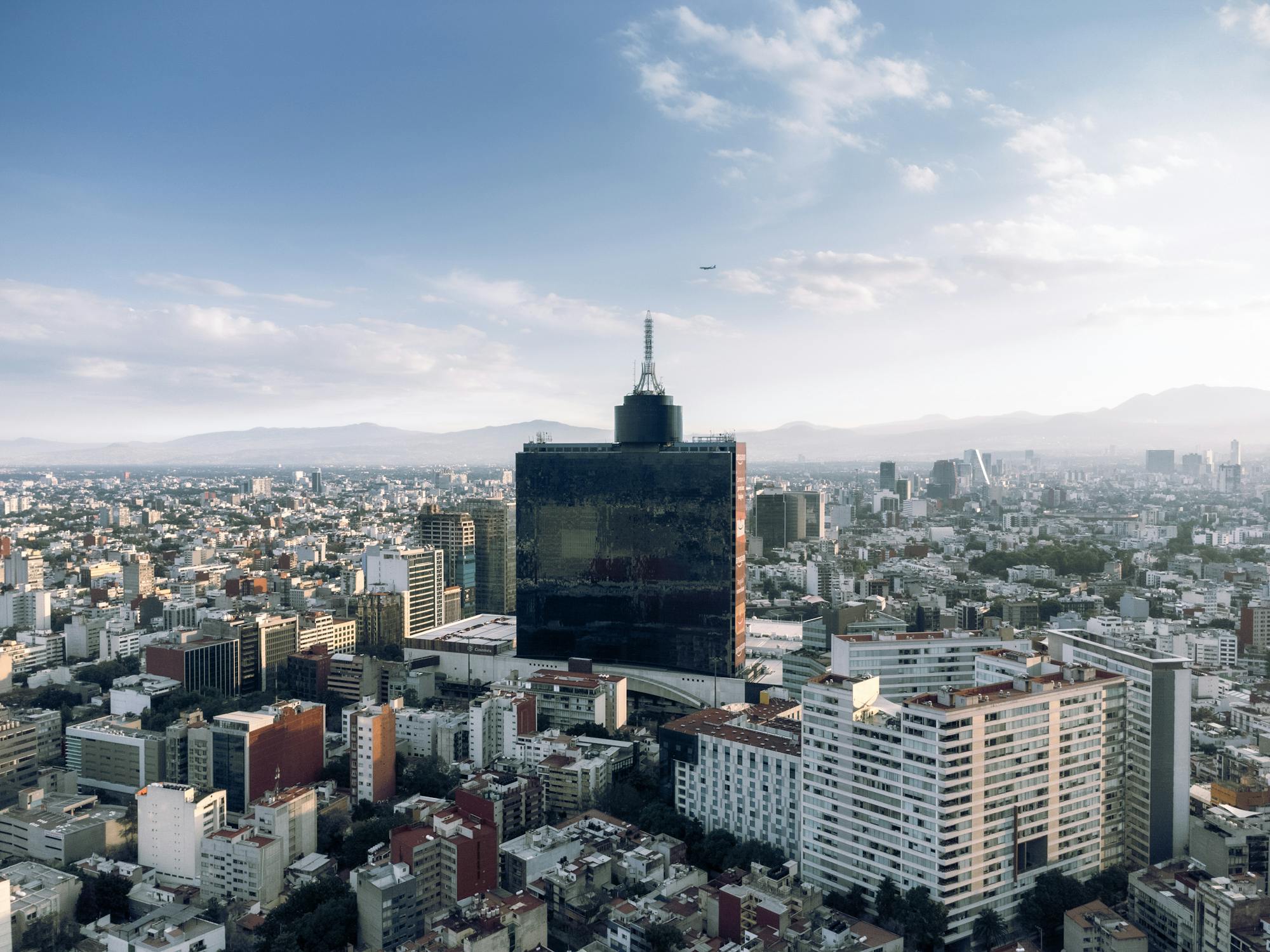
Mexico City is a year-round destination — its highland location at 2,240 meters (7,350 feet) above sea level gives it a temperate climate that never reaches the extremes of Mexico's coastal regions. Daytime temperatures stay pleasantly between 18–25°C (64–77°F) through most of the year, with cool to cold nights.
Best Time to Visit Mexico City: Peak Season (November–February)
The dry season runs roughly November through April, with November–February being the clearest, driest months. The winter months are especially good for outdoor activities in the city — the sky is clear, Teotihuacán visits are comfortable, and the city's parks and outdoor markets are at their best. Temperatures are cooler than other times of year (daytime 15–20°C / 59–68°F, night-time 5–10°C / 41–50°F) so pack layers. Day of the Dead (October 31–November 2), or Día de los Muertos, is one of the most extraordinary cultural events in Mexico — the city celebrates with profound and beautiful traditions. Christmas and New Year bring festive markets and Las Posadas to the Centro Histórico, when people gather for seasonal celebrations. January also includes Three Kings Day / Día de los Reyes, when rosca de reyes is enjoyed as a traditional sweet bread.
Shoulder Season (March–May): Best Time to Visit
March through May is arguably the best time to visit Mexico City, and for many travelers it’s a wonderful month-to-month stretch because of the weather. Temperatures peak at 22–26°C (72–79°F) — warm enough for comfortable outdoor exploration, with idyllic weather, clear skies, and the best air quality of the year. This is before the rainy season's humidity builds. Semana Santa (Holy Week before Easter) brings a surge of domestic tourists and many businesses close, but the city's cultural institutions remain open. Late February through spring is considered by many long-term residents as CDMX's most beautiful season — the jacaranda trees bloom purple across the city, especially along Paseo de la Reforma, and the Festival del Centro Histórico and Festival de México bring world-class music and theater performances.
Low Season and Rainy Season (June–October)
The rainy season runs June through October — the wet season begins in June, and the summer months fall within this stretch, when afternoon and evening thunderstorms and rain showers are frequent, typically lasting 1–2 hours. Mornings are usually clear and sunny. While Mexico's rainy season affects much of the country, inland areas like Mexico City are less exposed than the Pacific Coast or Caribbean coast during hurricane season. The rain keeps temperatures pleasant (18–22°C / 64–72°F) and the city beautifully green. This is Mexico City's low season for international tourism, meaning lower hotel prices and smaller crowds at major attractions, which can also make travel plans easier for budget-minded visitors. Air quality is also at its best during the rainy season as rains wash the air clean. The major downside is flooding risk in some areas — traffic gridlock during heavy rains is common.
Mexico City Weather Overview
Mexico City's highland tropical climate is unlike any other major city. The altitude moderates temperatures dramatically — even in summer, the city rarely exceeds 28°C (82°F). Average temperatures: 15–25°C (59–77°F) year-round with significant day-night variation (often a 10–15°C swing). Altitude effects: At 2,240m, the reduced oxygen can cause headaches and fatigue in some visitors for the first 1–2 days — stay hydrated and avoid alcohol the first day. Air quality: Can be poor in winter (December–February) when temperature inversions trap pollution — check the IMECA index if you have respiratory concerns.
Key Events: Cinco de Mayo and More
March–April: Jacaranda season begins in late February and turns the city purple, especially along Paseo de la Reforma; Festival del Centro Histórico and Festival de México
March/April: Semana Santa — holy week processions and celebrations
May 5: Cinco de Mayo — marks the Battle of Puebla, with commemorations and military parades
July: Guelaguetza celebrations in the city (Oaxacan culture festival)
August: International Mariachi Festival — performances around Plaza Garibaldi, often peaking on the last Sunday of the month
September 15–16: Mexican Independence Day / Día de la Independencia — massive Zócalo celebrations with the President's Grito and cries of Viva Mexico
October 12: Día de la Raza
October 31–November 2: Día de los Muertos — one of the world's most extraordinary cultural events, with elaborate dead celebrations and dead festival traditions
November: Fiesta de Santa Cecilia
December: Las Posadas, Christmas markets, and festive Centro Histórico events