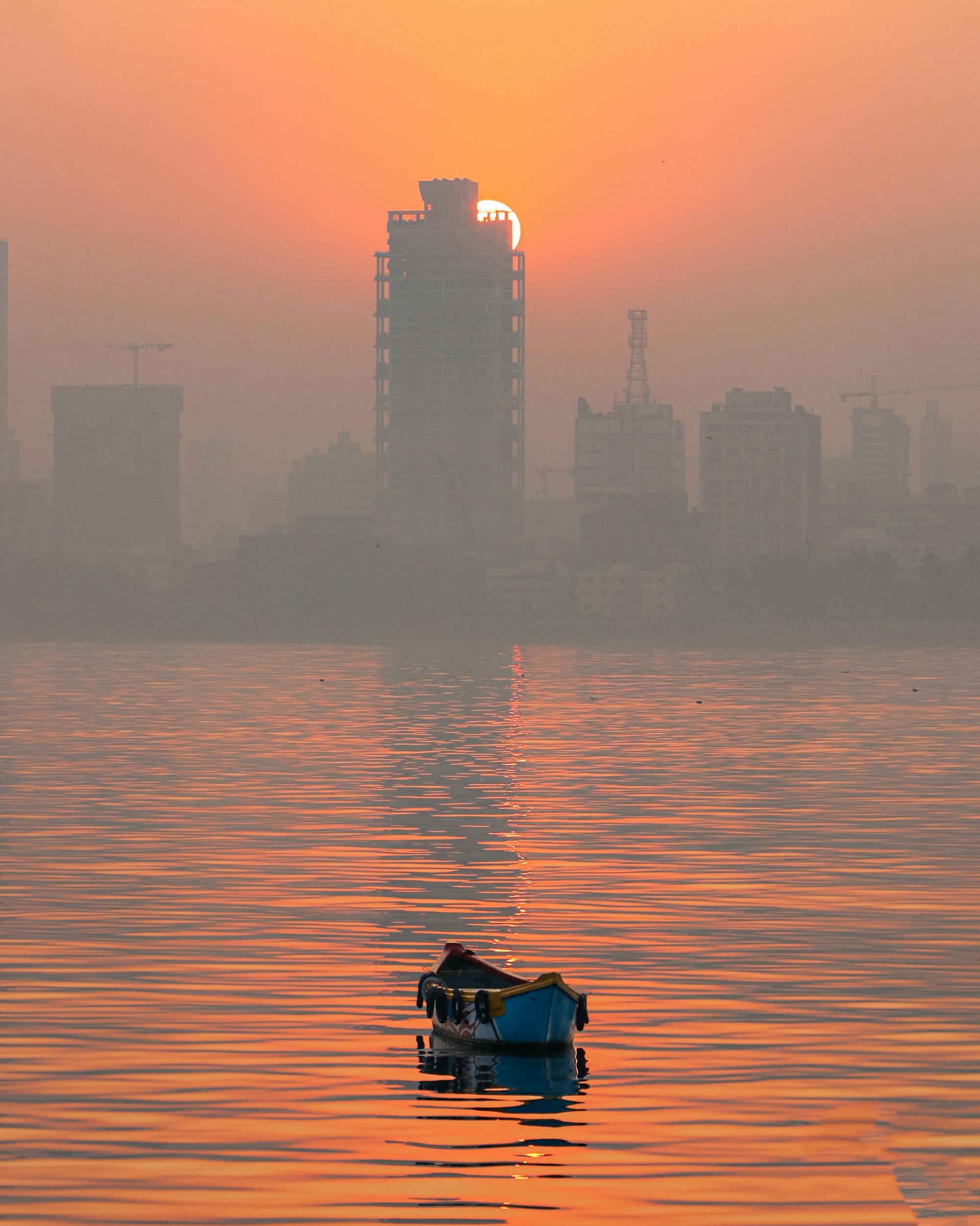
Mumbai's tropical climate means it is warm year-round, but the quality of that warmth varies considerably. The best time to visit is November to February, when temperatures settle between 18–32°C, humidity drops to comfortable levels, and the city's outdoor spaces — Marine Drive, Chowpatty Beach, the Colaba promenade — are a pleasure to explore.
Mumbai's tropical climate means it is warm year-round, but the quality of that warmth varies considerably. The best time to visit is November to February, when temperatures settle between 18–32°C, humidity drops to comfortable levels, and the city's outdoor spaces — Marine Drive, Chowpatty Beach, the Colaba promenade — are a pleasure to explore. The monsoon (June–September) is loved by many but brings serious flooding and disruption. Hot, humid summer conditions (March–May) are manageable but not ideal for extensive sightseeing.
Best Time to Visit Mumbai: High Season (November–February)
Mumbai's winter is the best time to visit for most travelers and the best season to visit Mumbai. November and December mark the start of the cool season — average temperatures and daytime temperatures drop from 35°C to a balmy 28–30°C, with pleasant evenings around 20°C. The air quality improves significantly after the monsoon, city life accelerates as festivals approach, and the restaurant and nightlife scene reaches full swing. January and February are the coolest and driest winter months, with January the coolest month — the best time for visiting Elephanta Island (sea conditions are calmest), exploring the Dharavi area on foot, and walking the Victorian Gothic and Art Deco precincts of Fort and Churchgate. It is also a fantastic time for outdoor activities, including a leisurely stroll along Marine Drive by the Arabian Sea. February hosts the Kala Ghoda Arts Festival, transforming the neighbourhood into one of Asia's most atmospheric outdoor cultural events with strong performing arts programming, while the National Centre for Performing Arts in South Mumbai is another major winter draw. Winter is also when many travelers plan a trip to visit Mumbai because the weather is most pleasant.
Monsoon/Summer Season and Monsoon Rains
Summer (March–May), the summer months, sees temperatures climb steadily toward 38–40°C by May as the weather turns hot and humid, with rising high humidity and intense heat that make the heat feel oppressive. This is not the best time for heavy outdoor sightseeing, though the city continues to function at its usual pace — air-conditioned museums, restaurants, and shopping malls become even more attractive. May is typically the hottest month, and conditions can feel extremely hot. The monsoon arrives dramatically in early June, when June to September marks the monsoon season and the first storms of the season can dump 100mm of rain in a single afternoon. July and August are the wettest months, when monsoon rains and heavy rainfall define the period, with the city averaging over 600mm of rainfall in July alone. Low-lying areas including Kurla, Dharavi, and parts of Dadar regularly flood, and the famous Mithi River can overflow. Torrential rains can disrupt plans, though some travelers still see this as a memorable time to visit for the atmosphere. Despite this, the monsoon has a passionate following — the sea turns jade-green, the city smells of wet earth, and the kheema pav and steaming chai at every bhaji stall becomes irresistible.
Shoulder Season and Pleasant Weather
October is arguably Mumbai's most underrated month and can feel like the perfect season for travelers who want lower rates without peak-winter crowds. The monsoon typically withdraws in late September, leaving the city clean, green, and fresh. temperatures ranging around 28–32°C keep it warm but comfortable, and hotel rates are lower than peak winter before rising sharply in November. October is also when Navratri (nine nights of Garba dance) and Diwali occur; Diwali dates follow the Hindu calendar, and the festival season gives the city a magical time atmosphere without the full peak-season prices. March bridges the pleasant winter with the approaching heat; along with April, these spring months are still manageable before summer intensifies, and the period coincides with Holi and Gudi Padwa, a spring festival marking the Marathi New Year.
Religious Festivals Impact on Best Time to Visit
Ganesh Chaturthi (August/September) is Mumbai's defining festival — a ten-day celebration of the elephant-headed god Ganesh that transforms the city into a procession of enormous decorated idols being carried to the Arabian Sea for immersion. The final day (Anant Chaturdashi) sees millions gather at Girgaon Chowpatty Beach for the immersion ritual in scenes of extraordinary collective emotion. Hotels book out weeks in advance. Diwali (October/November) brings lighter traffic, illuminated streets, and an unusually quiet city as many residents travel to their home states — a surprisingly peaceful time to explore, and a magical time to visit if you want festive streets and calmer sightseeing. Eid celebrations in Mohammed Ali Road are famous across India — the pre-dawn iftaar food street along Mohammed Ali Road during Ramadan is a culinary pilgrimage, with street food as the main draw.
Key Events and Celebrations: Mumbai International Film Festival
The Mumbai Marathon (January) is Asia's largest marathon, with 40,000+ participants and a route that passes the Gateway of India, Marine Drive, and several Victorian landmarks. Book accommodation months ahead. The Kala Ghoda Arts Festival (February) is a nine-day outdoor arts festival in the Fort district featuring visual art installations, music, dance, film, craft stalls, and performing arts, making it worth planning your visit around. The Elephanta Festival is another winter cultural event, known for celebrating Mumbai's heritage with music and dance. The Bandra Fair (September) is a week-long Catholic festival at Mount Mary Church in Bandra with a colourful street fair. The Mumbai Film Festival (October) screens independent and international cinema across multiple city venues. The Mumbai International Film Festival is another important event, typically focused on documentary and short cinema.