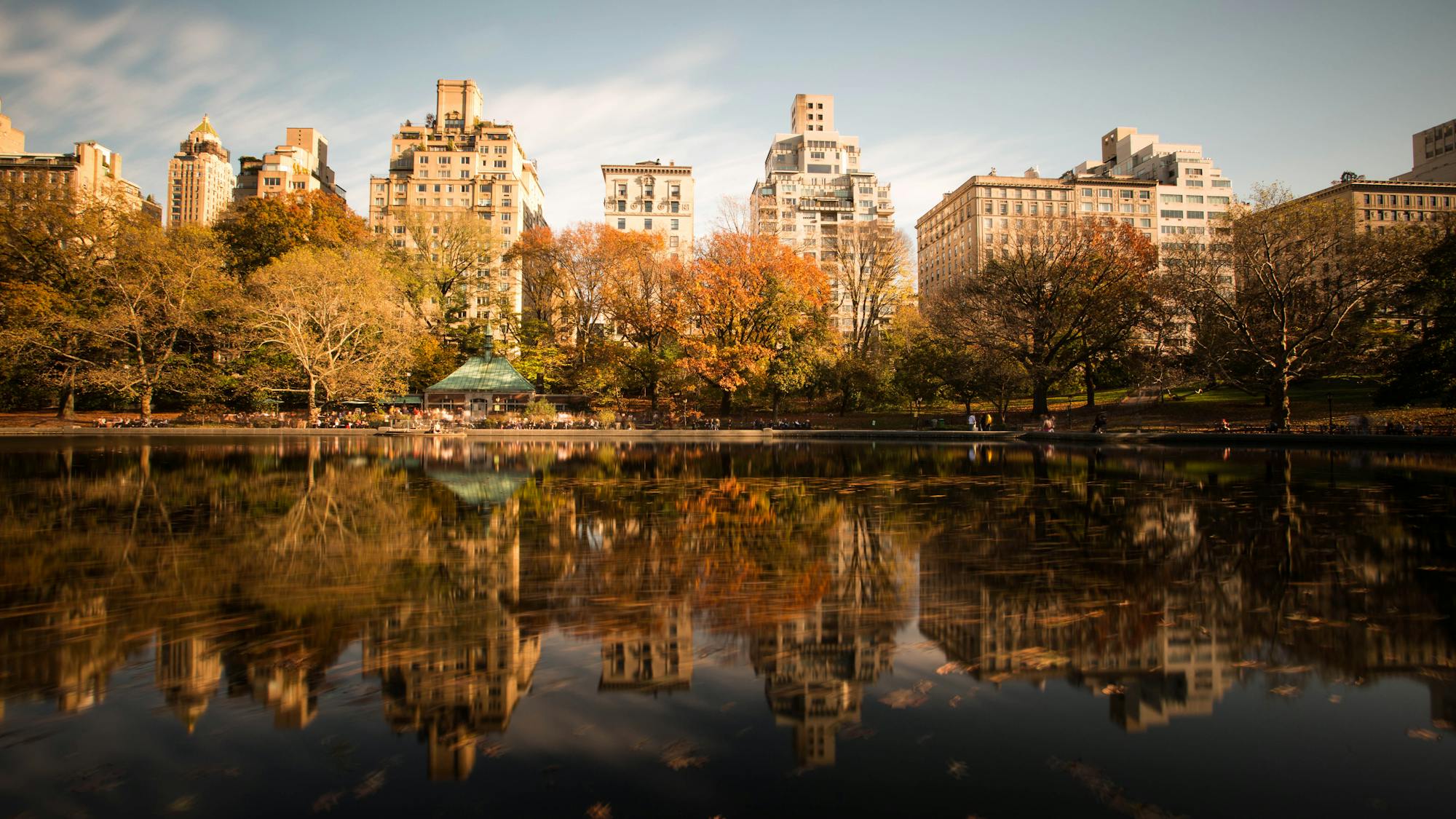
New York City is a year-round destination — every season brings its own magic, its own challenges, and its own reasons to visit. Spring and fall are widely considered the most pleasant times to explore on foot, while summer buzzes with outdoor festivals, and winter wraps the city in a festive glow that's genuinely enchanting.
New York City is a year-round destination — every season brings its own magic, its own challenges, and its own reasons to visit. Spring and fall are widely considered the most pleasant times to explore on foot, while summer buzzes with outdoor festivals, and winter wraps the city in festive glow that's genuinely enchanting. Understanding the seasonal rhythms will help you plan the perfect trip, whether you're chasing cherry blossoms in Central Park or catching the ball drop in Times Square.
Best Time to Visit New York: Peak Season (June–August)
Summer is New York City's busiest tourist season. Long days, warm temperatures (averaging 25–30°C / 77–86°F), and a packed calendar of free outdoor events make it immensely appealing, though the summer heat can feel intense. SummerStage in Central Park, Shakespeare in the Park, the Coney Island Mermaid Parade, and the Celebrate Brooklyn! festival are highlights, and summer also brings popular street festivals. The downside: crowds are at their peak, popular attractions require advance booking, and hotel prices are high. The city's concrete canyons can make heat and humidity feel intense, but the vibrant summer energy makes it a great time for a trip focused on festivals and outdoor buzz.
Shoulder Season for Outdoor Activities (April–May and September–October)
Spring and fall are the best times to visit New York City for most travelers, and they are widely considered the best season to visit New York City overall. Ideal weather runs from late April to early June, when mild days make outdoor activities especially enjoyable, crowds are slightly thinner than summer, and the city looks its best. Cherry blossom season (late March to mid-April) brings cherry blossoms to Central Park and Brooklyn Botanic Garden, with Roosevelt Island offering another scenic spring viewing spot. May averages 54 to 72 Fahrenheit and can feel like the perfect time for travelers who want mild weather and walking tours. Fall foliage from late September to early November brings the city’s best fall colors to Central Park and Prospect Park, with mid-October often marking the peak for color in the parks. September ranges from 61 to 75 Fahrenheit, while October ranges from 50 to 64 Fahrenheit, bringing comfortable temperatures that usually call for light jackets. September brings the US Open Tennis Championships and October hosts the New York City Marathon, while fall also includes the Village Halloween Parade on October 31st. Hotel rates during shoulder season are often more reasonable than peak summer, with smaller crowds at major sights than the busiest months.
Low Season and Holiday Season (November–March)
Winter in New York City is cold — temperatures often fall below freezing (averaging -3 to 5°C / 27–41°F) — but offers its own extraordinary appeal. November through early January is part of the city's high season, tied to the holidays. The holiday season begins in late November with the Macy's Thanksgiving Day Parade on the fourth Thursday in November, and New York truly shines with holiday lights, Christmas markets, the massive tree at Rockefeller Center, iconic window displays, ice skating at Wollman Rink and Bryant Park, and Times Square on New Year's Eve. December also brings heavy crowds and peak hotel prices, despite the festive appeal. After the holiday rush, early January to early March is the cheapest time to visit New York, with fewer tourists from January to March making it easier to enjoy Broadway shows and world-class indoor museums in the cold weather, making winter a great time to visit NYC for deals and a quieter atmosphere.
Weather Overview and Best Time to Visit
New York City has four seasons, and that shapes the best time to visit New York for different travelers, so the best month really depends on your priorities for weather, crowds, and activities. Spring (March–May) starts cool and warms steadily — pack layers and expect occasional rain, with the last week of April to early June a sweet spot for more time outdoors. Summer (June–August) is hot and humid with frequent afternoon thunderstorms, though early June is usually more comfortable before peak heat and later summer can make being outside less appealing. Fall (September–November) is crisp, clear, and beautiful — early September still feels warm, and Labor Day can bring a brief lull as many New Yorkers leave the city, making some local neighborhoods feel calmer for visitors, while late September begins the cooler prime foliage stretch and makes exploring different neighborhoods on foot especially pleasant. Winter (December–February) is cold and occasionally snowy — a warm coat, hat, and gloves are essential. An umbrella or packable rain jacket is a year-round necessity.
Key Events
March: St. Patrick's Day Parade along Fifth Avenue, cherry blossom season begins late March. April–May: Cherry Blossom Festival at Brooklyn Botanic Garden, Tribeca Film Festival. June: Museum Mile Festival (free museum admission), NYC Pride March, and outdoor concerts. July 4: Macy's Independence Day Fireworks over the East River. August–September: US Open Tennis Championships in Flushing, Queens, plus NYC Restaurant Week. October: Halloween Parade in Greenwich Village, fall foliage peak. November: New York City Marathon, Macy's Thanksgiving Day Parade. December: Rockefeller Center Christmas Tree lighting, New Year's Eve in Times Square.