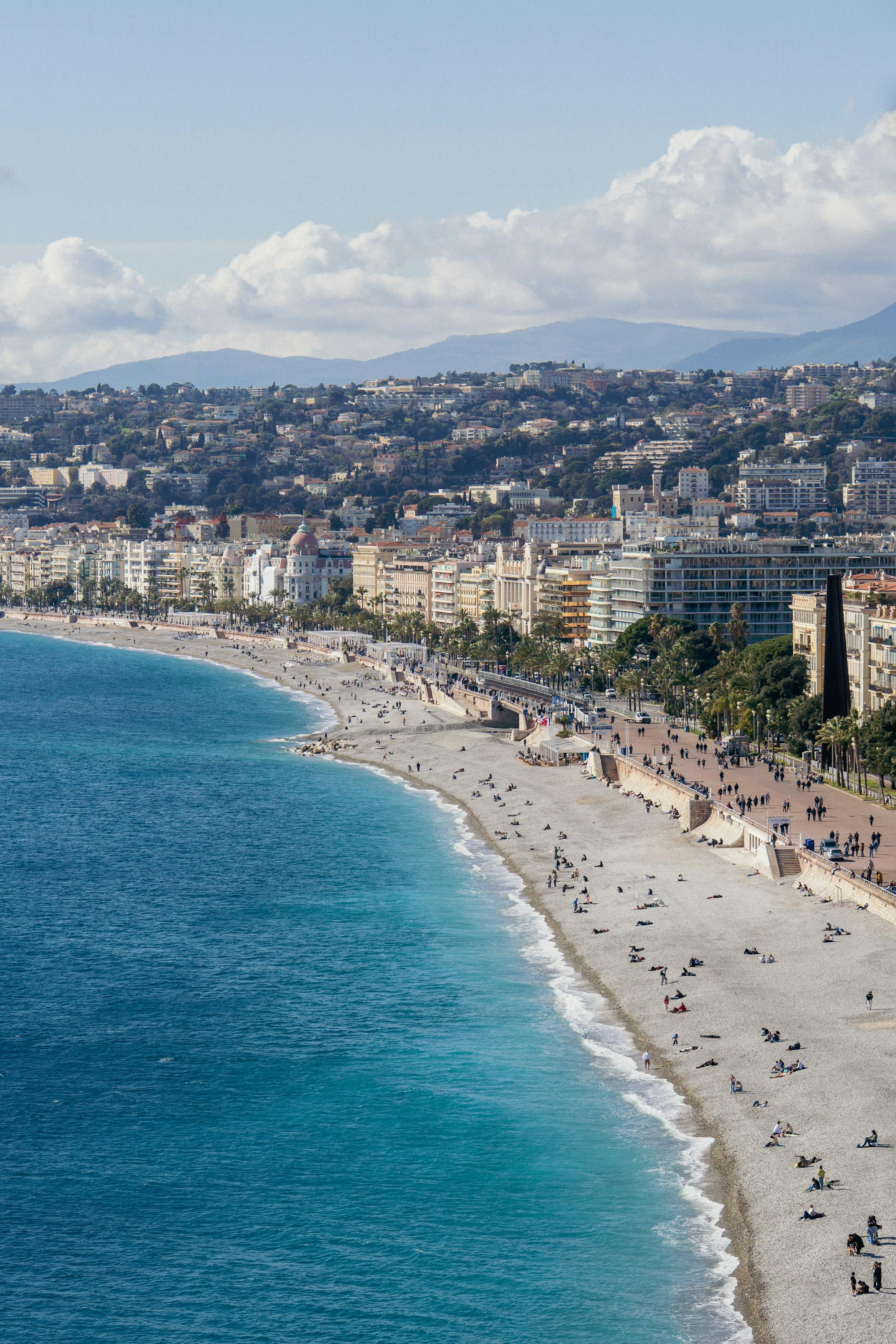
Nice is blessed with one of Europe's finest climates — over 300 days of sunshine per year, warm but rarely brutal summers tempered by sea breezes, and mild winters that make even December pleasant for outdoor café culture. The best months to visit are May, June, September, and October — warm sea and sunshine, manageable crowds, and without the July–August intensity.
Nice is blessed with one of Europe's finest climates — over 300 days of sunshine per year, warm but rarely brutal summers tempered by sea breezes, and mild winters that make even December pleasant for outdoor café culture. The best months to visit are May, June, September, and October — warm sea and sunshine, manageable crowds, and without the July–August intensity. That said, Nice in winter is far more rewarding than many visitors expect, and the Promenade in February sunshine is one of Europe's most pleasant off-season experiences.
Best Time to Visit Nice: Spring in Nice (March–May)
Spring on the Riviera in the French Riviera, France, is genuinely magical, and spring is often the best time to visit Nice for mild conditions. Temperatures climb from 14°C in March to a warm 22°C by late May, and the spring weather is generally pleasant, with long sunny days and the famous Riviera light at its most beautiful during the shoulder season. The sea warms slowly (15–18°C by May — cool for swimming but fine for brave dips). The Cours Saleya flower market is at its finest in spring, overflowing with mimosas, roses, and lavender. The Nice Carnival in mid-February (technically late winter but often extending into early March) is one of Europe's great street festivals — two weeks of flower battles, masked balls, and elaborate floats along the Promenade des Anglais. Spring also sees the Riviera music season begin, with outdoor concerts in Cimiez park. Hotel prices in March–April are significantly lower than summer, with fewer crowds, making this an ideal time for visitors who want value.
Summer in Nice (June–August): Is it the best time to visit?
Summer is the busiest season for tourists, and August is the hottest month, when the Riviera is at its most glamorous and most crowded. The sea reaches a perfect 24–25°C, the pebble beaches are packed from morning to evening, and the Promenade des Anglais feels lively by day and at night. Temperatures average 27–30°C — often very hot, even with the sea breeze, so expect peak-season crowds and full beaches. The Nice Jazz Festival in July (held in the Cimiez gardens, surrounded by Roman ruins) is one of the Mediterranean's best music events. Accommodation is at a premium and must be booked months in advance. The Riviera's beach clubs, rooftop bars, and waterfront restaurants are all open and in full swing. Nice also works well as a base for a wider trip along the coast to explore Monaco, Cannes, and the Riviera villages, though they are similarly crowded.
Autumn in Nice (September–November) on the French Riviera
September is one of the best time to visit periods in Nice and a classic shoulder season window. By early autumn, summer visitors have largely gone after the French back-to-school date (first week of September), so fall brings fewer crowds, while the sea remains warm enough for swimming through early October (around 23°C) and temperatures stay a comfortable 24–26°C. The cultural season restarts — new exhibitions at MAMAC and the Matisse Museum, autumn concerts, and the city's restaurants at their most relaxed and creative. October (18–22°C) settles into the wider region and French Riviera rhythm after summer, with lighter crowds, excellent market produce (game, mushrooms, truffles from Provence), and hotel rates 30–40% below summer. November is cooler (14–17°C) with occasional rain, but it is typically still mild enough for sightseeing, and clear days along the Promenade are genuinely beautiful while the city is blissfully quiet.
Winter in Nice (December–February) and the Nice Carnival
Nice's winters are famously mild — daytime temperatures of 12–15°C, plus steady sunshine and reliable sun, mean the Promenade is walked and cycled year-round. The Belle Époque hotels look magnificent in the clear winter light, the old town is free of summer congestion, and café terraces remain open on sunny days with outdoor heaters, giving you more chances to mix with locals and enjoy the perfect balance of a quieter city that still feels alive. December brings Christmas lights along the main streets and a modest Christmas market near Place Masséna. January and February are the quietest and cheapest months — hotel rates sometimes 50% below summer, and restaurants easy to book, so winter can be a good time to visit if you want to plan around lower prices. The Carnival in February injects a spectacular burst of colour and energy into the late winter season; it is one of the largest celebrations in the world and one of the season's key events, drawing significant visitors for those two weeks.
Avoiding the Crowds and Finding Fewer Crowds
The Cours Saleya market is at its most manageable before 9am on weekday mornings — arrive at 8am for the freshest produce and the local atmosphere you can expect before the tourist crowds arrive. The Musée Matisse in Cimiez is consistently less crowded than Riviera museums in Monaco or Cannes — a genuine hidden gem. Castle Hill is best at sunrise or late evening, when the views are spectacular and the crowds are minimal. For beach swimming without the Promenade crush, the beaches at Coco Beach east of the port and Villefranche-sur-Mer (15 minutes by train) are significantly less congested, and Nice works well as a base for a broader trip in the area. The best time to visit Nice, and for many readers the ideal time to visit Nice, is mid-September to mid-October — warm sea, sunny weather, thin crowds, beautiful light, and excellent value.