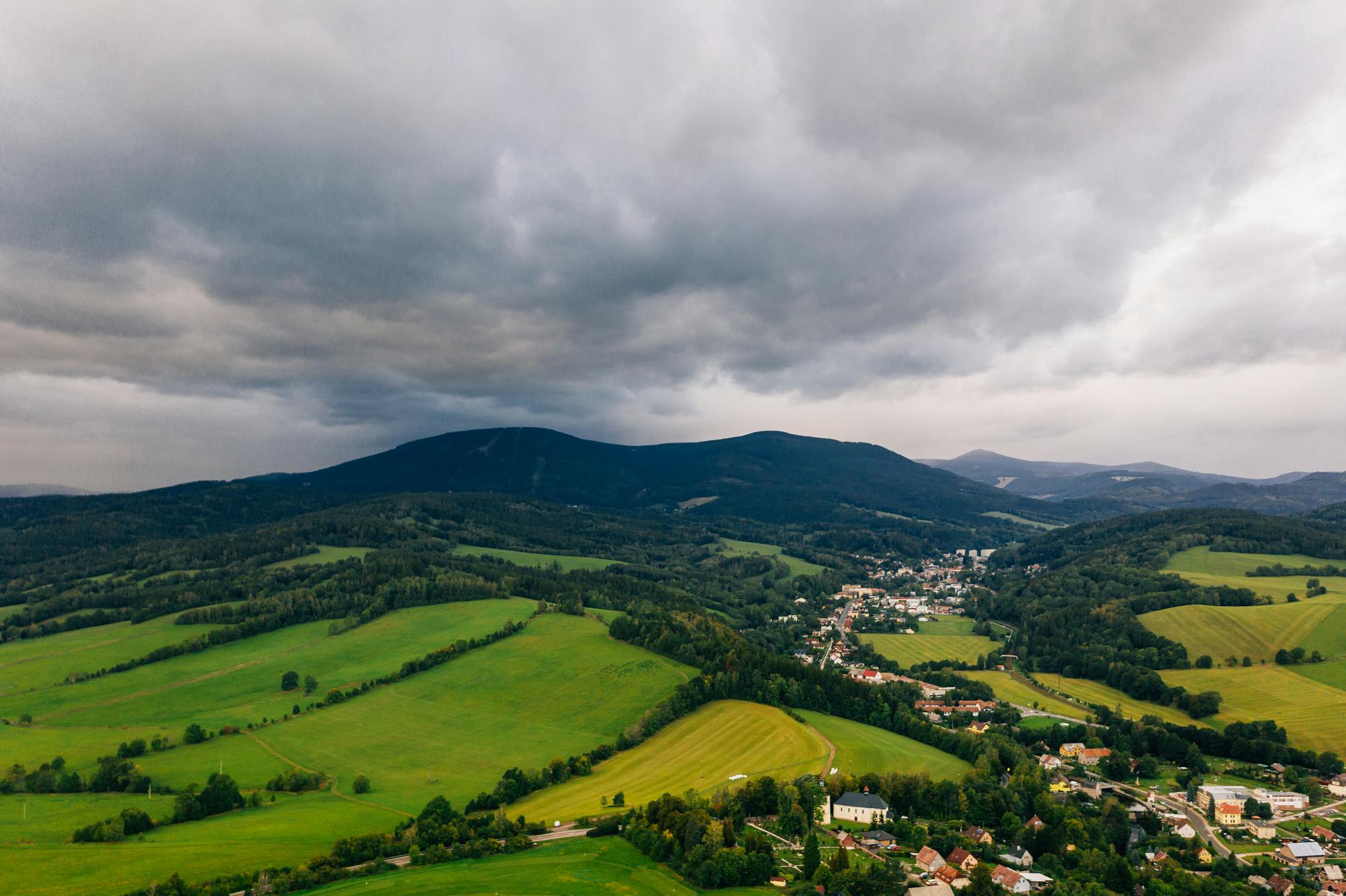
Ostrava has a continental climate with warm summers and cold, snowy winters. The best overall times to visit are May–June and September, when temperatures are comfortable, outdoor spaces are at their best, and the cultural programme is rich.
Best Time to Visit Ostrava: Spring (April–June)
Spring is one of the best times to visit Ostrava, with the broader optimum window running from March to May, while April to June is especially appealing. April can still be cool and showery, but May and June bring reliably warm average temperatures (typically 18–24°C), long daylight hours, and the city at its most photogenic. The Janáček May festival takes place in late May and early June, filling the city's concert halls and outdoor spaces with classical music performances. Parks and green spaces come alive, and Sady Park is especially pleasant for a peaceful walk, while the terraces of Stodolní Street's bars and restaurants open for the season. This is an excellent time to visit Dolní Vítkovice, a former steel complex transformed into a cultural hub, and Landek Park without the peak-season crowds. Ostrava's industrial past and coal mining heritage led to the nickname Black Ostrava.
Summer (July–August) Top Attractions
Summer is Ostrava's peak season, driven largely by the Colours of Ostrava festival in mid-July — a four-day music festival and one of the biggest music events in central europe, which has helped put the city on the map as a major destination. It features over 21 stages with different performances, making it one of the city's biggest cultural events. Past headliners include Sting and Iggy Pop, giving it pull from around the world. Temperatures are warm to hot (22–30°C), making summer the best season for outdoor activities, from parks and terraces to time along the ostravice river. Many visitors are pleasantly surprised by how much there is to discover beyond the festival, including PLATO, a contemporary art museum in a former slaughterhouse and a standout stop for modern art. The rest of July and August sees fewer visitors than the festival weekend, making it a pleasant time to explore the city, with long evenings and a relaxed atmosphere. Hotels should be booked well in advance if visiting during Colours of Ostrava, especially near the city center or train station.
Autumn (September–October) Outdoor Activities
September is arguably Ostrava's finest month, and March to May as well as September to October are the optimum times to visit, for an ostrava travel guide or travel itinerary built around the city's top attractions — warm without being hot (18–22°C), the cultural season is back in full swing at the opera and gallery, and the city has a settled, local atmosphere after the summer tourism. October brings cooler temperatures and the first autumn colours in the Beskydy foothills visible from the city, while events and local life continue around the main square in the city center. Ostrava is a former industrial city with a rich history and was once the steel heart of Czechoslovakia, helping shape the identity of the Czech Republic's third-largest city. This is an excellent time for a day trip into the mountains or up Mound Ema for views over the city, or to the New City Hall observation tower, an 86-meter-high landmark at the city hall and a prominent city hall viewing tower, before the hiking season closes. Rainfall increases in October, and the days shorten noticeably.
Winter (November–March) Day Trip Ideas
Ostrava winters are cold, grey, and frequently snowy — typical of the continental interior, and January is usually the coldest month. Temperatures regularly fall below freezing in December–February, and the city receives more snow than Prague due to its more northeasterly position. The Christmas market on Masarykovo náměstí and Prokešovo náměstí runs through December and is charming, and Masarykovo náměstí is a cultural landmark with local cuisine, mulled wine, and handmade crafts. The Janáček Theatre's opera and ballet season is in full swing, making winter a good time for culture vultures who don't mind the cold. It also suits a visit to a museum or mining museum, such as Michal Mine, which closed in 1995 and is now preserved as a museum, or the largest mining museum at Landek Park. The journey takes about three hours by train from Prague, and Ostrava's main train station connects to the city center by tram. Public transport includes trams, buses, and trolleybuses, and a regular day ticket costs 80 CZK. Buses also connect Ostrava with major cities in the Czech Republic. Ski resorts in the Beskydy mountains are within easy reach by car or bus, and the area remains a wonderful place for a winter day trip within the country. Most people come here for snowy walks, hiking, skiing, and viewpoints rather than city-based tourist attractions. For the top tourist attractions in town and easy evenings out, stay in anything from luxury hotels and cozy guesthouses to budget hostels, and look for places with a good breakfast. Mercure Ostrava Center is a popular option near the historic center, Hotel City City is two minutes from the train station, Ruby Blue Hotel sits on Stodolní Street in the city center, and U Betty offers shared and private rooms.