Paris is a city for all seasons, but most travellers agree that April to June and September to October represent the sweet spot — mild temperatures, lower humidity than summer, beautiful light, and manageable crowds. Whatever time you visit, Paris rewards you — the key is knowing what to expect.
Best Time to Visit Paris: Spring in Paris (March–May)
Spring is arguably the best time to visit Paris, and arguably Paris at its most beautiful. By mid-March, cherry blossoms appear in the Jardins des Tuileries and Parc de Sceaux, and by April the city is in full bloom with blooming gardens in spots like Luxembourg Gardens. Temperatures range from 10°C to 18°C, bringing mild temperatures and ideal weather for sightseeing — cool enough for comfortable walking, warm enough for outdoor cafés and other outdoor activities. The Louvre and Musée d'Orsay are busy but not unbearably so; queues are shorter than in summer, making museum visits easier, and the light in the late afternoon is extraordinary. Expect occasional April showers, so pack a light rain jacket. Prices are high in spring — this is peak season — but the experience justifies it. The Paris Marathon in April and the French Open tennis in late May–early June draw significant visitors, so book accommodation well in advance if your trip overlaps.
Summer in Paris (June–August) and Bastille Day
Summer is peak tourist season: the city has a lively atmosphere, café terraces are packed until midnight, and the long daylight hours (sunset not until 10pm in June) make for magical evening walks along the Seine. Temperatures average 22–26°C, bringing pleasant weather that suits outdoor dining, but heatwaves have become more frequent, occasionally pushing above 35°C. The Fête de la Musique on 21 June transforms the city into a giant free concert, and summer also brings music festivals and other outdoor events across the city. The Paris Jazz Festival adds open-air jazz performances in a park setting. Bastille Day on 14 July brings fireworks over the Eiffel Tower — one of the world's great spectacles. Its Bastille Day celebrations also include the military parade on the Champs-Élysées, one of the city's major events. Be warned: August sees many Parisians leave the city for summer holidays, and school holidays also contribute to large crowds, though some smaller restaurants and shops close while major attractions remain fully open. Paris Plages is another popular seasonal draw. Tourist crowds are at their densest June through August, and hotel rates are at a premium.
Autumn in Paris (September–November) and Paris Fashion Week
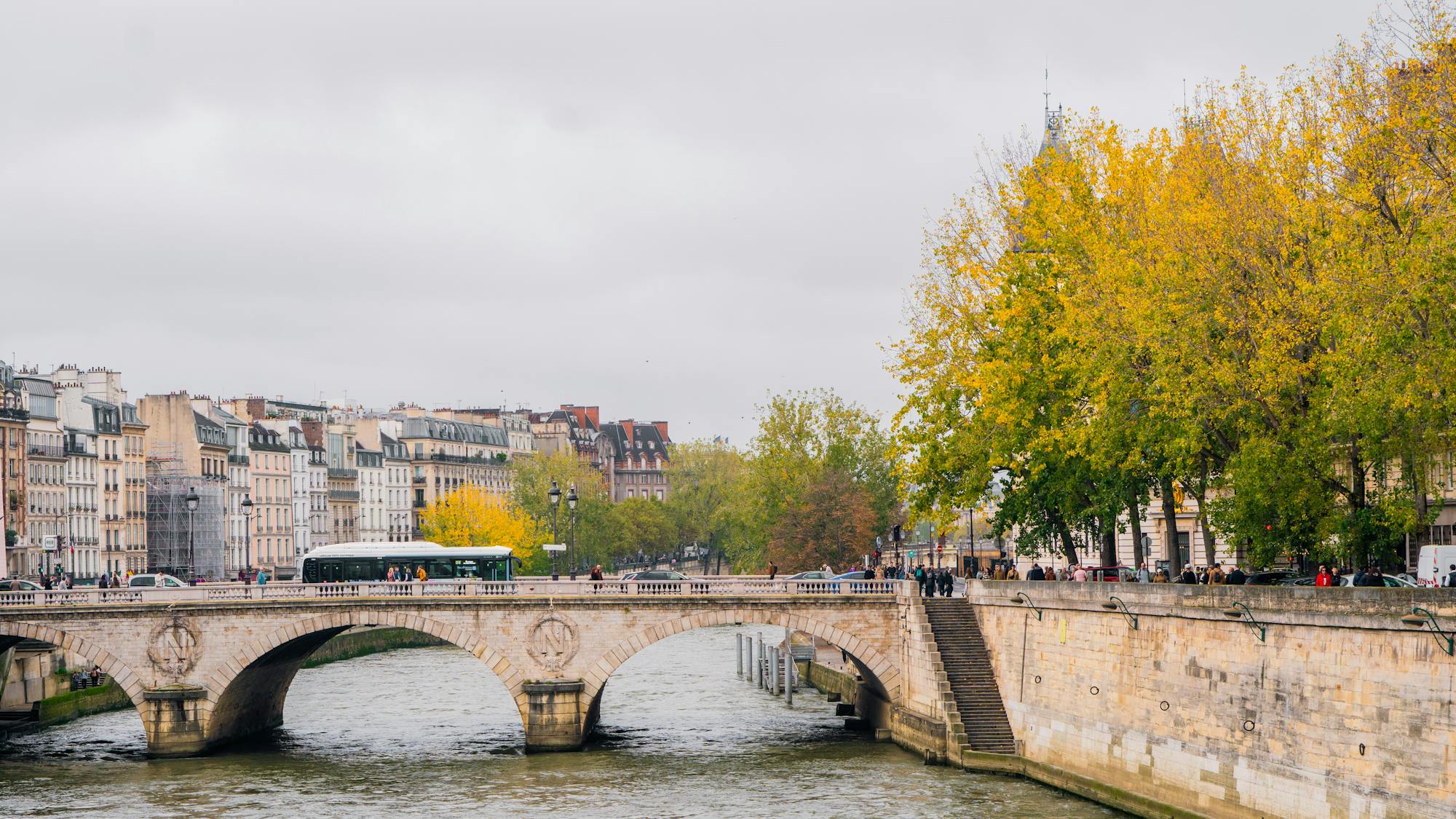
Autumn is many regular visitors' favourite time to visit Paris, and for some it's the best time to visit. The summer crowds thin from mid-September, hotel prices ease, and you can enjoy fewer crowds while the city takes on a golden, cinematic quality, with golden light and crisp air as the chestnut trees along the Champs-Élysées turn amber and copper. Temperatures stay pleasant, with mild weather around 14–20°C in September before cooler weather arrives at 8–12°C in November, and the cultural calendar is rich: the Paris Fashion Week in late September, the Nuit Blanche all-night art festival in early October, and the Salon du Chocolat in late October are all highlights. The Montmartre Grape Harvest Festival in early October is also one of the season's key events. The vendange (grape harvest) season means Parisian restaurants celebrate new Beaujolais Nouveau in November. Rain becomes more frequent in October and November, so carry an umbrella, but this is a small price for far fewer crowds at the major sights, and the autumn colours in the city's parks make seasonal walks and walking tours especially rewarding.
Winter in Paris (December–February) and Fewer Crowds
Winter Paris is quieter and more intimate, with a cozy charm. During the holiday season, December is transformed by Christmas: the Champs-Élysées and Rue de Rivoli glow with festive lights, Paris sparkles, Christmas markets appear around Notre-Dame and La Défense, and seasonal ice skating rinks add to the atmosphere. Temperatures hover between 3°C and 8°C — cold but rarely brutal — and snow, while possible, is uncommon, so indoor attractions and indoor activities become especially appealing. January and February are the quietest and cheapest months to visit, making the off season especially appealing for budget travelers, with hotel rates sometimes half what they'd be in spring. Museums are calm, including the city's world class museums, restaurant reservations are easy to come by, and the city's cultural life continues at full pace with theatre, opera, art exhibitions, cozy cafés, and hot chocolate. The main downside is the short days (darkness by 5pm) and occasional grey skies, though winter still has its own cozy charm, but for budget-conscious travellers who don't mind the cold, winter offers the best value of any season, with fewer tourists.
Avoiding the Crowds: Best Time to Visit
To beat the queues at Paris's most popular attractions, arrive at opening time (9am) at the Louvre and Musée d'Orsay, or visit on weekday evenings when both stay open late (until 9:45pm on certain days). Book skip-the-line tickets online for the Eiffel Tower at least 2–3 weeks in advance in summer — same-day tickets are rarely available. The Sainte-Chapelle and Conciergerie on the Île de la Cité are often overlooked by crowds but are extraordinary, and best visited mid-morning on a weekday. For the best overall balance of good weather, manageable crowds, reasonable prices, and strong cultural events, the best time to visit is the second half of September or the first two weeks of October — though public holidays can still affect crowd levels and rates. For busier periods such as July and December, book accommodations early.